
US Constitution.co
Articles by Javier Ruiz
Contract Clause in Bankruptcy
The Contract Clause in the U.S. Constitution has shaped legal interpretations and debates for centuries, particularly in its interaction with bankruptcy law. This provision has been both a shield and a sword in the hands of the judiciary, preserving the sanctity of contracts against legislative...
Read more →
Interstate Custody and Full Faith
Interstate custody cases can be complex. It's crucial to adhere to the original state's custody order before moving across state lines. Courts don't look favorably on relocations that violate existing orders. For families planning a move, it's advisable to address potential issues in the original...
Read more →Supremacy Clause vs. State Laws
The Supremacy Clause, found in Article VI of the Constitution, establishes federal laws as the "supreme law of the land" when they conflict with state laws. This clause emerged from historical instances where states disregarded federal treaties and regulations. Cooper v. Aaron (1958) exemplified...
Read more →Electoral College Impact
The Electoral College emerged from compromise in the late 1700s. The Founding Fathers created it to provide a check on direct democracy in selecting the president. Electors were meant to use their judgment in casting votes. Over time, the system evolved with the rise of political parties. States...
Read more →
Judicial Review and Marbury v. Madison
Judicial review in the United States begins with Chief Justice John Marshall in the early 1800s. The 1800 presidential election saw John Adams replaced by Thomas Jefferson, with the Federalists making last-minute "midnight appointments" before leaving office. William Marbury's undelivered judicial...
Read more →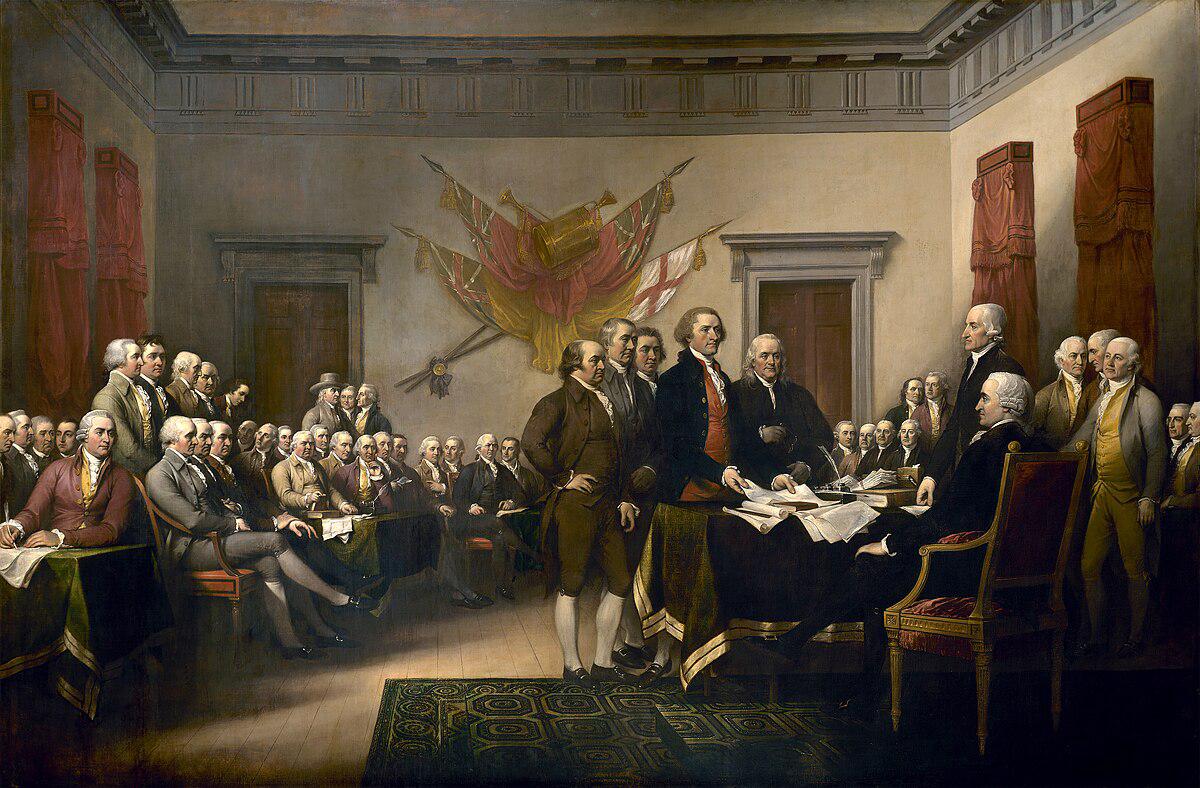
Necessary and Proper Clause
The Necessary and Proper Clause, found in Article I, Section 8 of the U.S. Constitution, has been a source of debate since its inception. Some call it the "elastic clause," allowing Congress to exercise its enumerated powers. During the Constitutional Convention, the Founding Fathers sought to...
Read more →
Constitution Limits Government
The government functions like a three-ring circus. The legislative branch juggles bills, cooking up policies that impact everyone. The executive branch, led by the President, acts as the ringmaster, ensuring laws are enforced. The judicial branch, ready with their gavels, calls out any monkey...
Read more →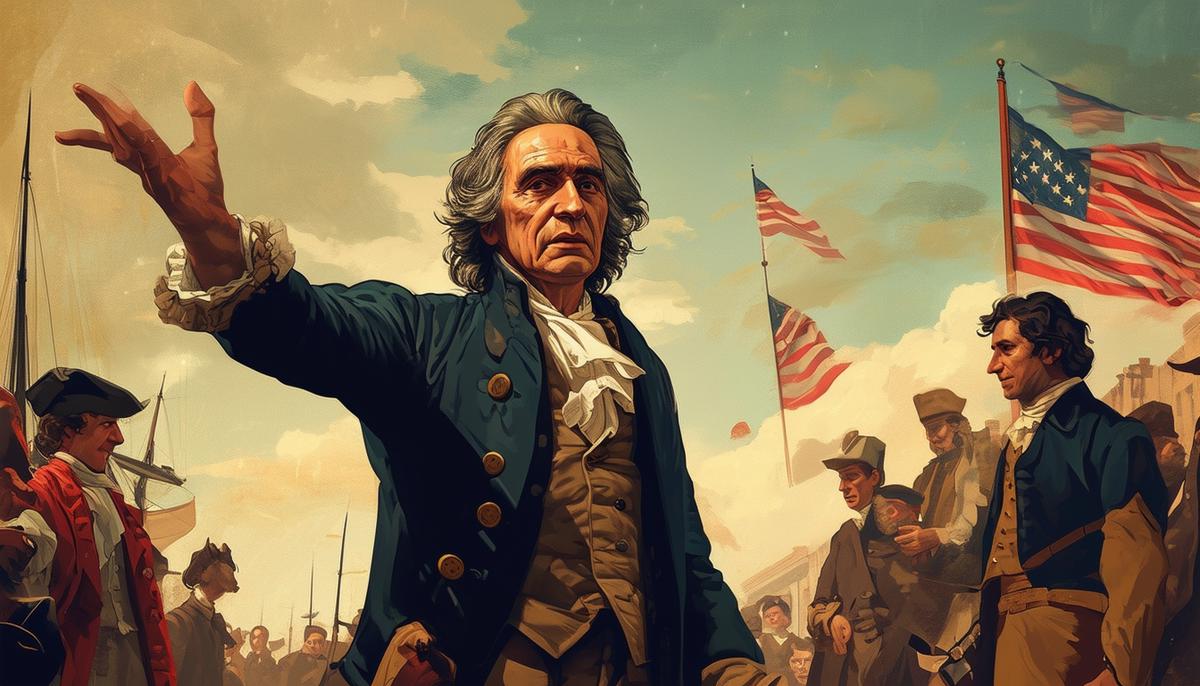
Paine's Social Welfare Advocacy
Thomas Paine went beyond politics, venturing into social welfare. In works like "Agrarian Justice," he proposed a complete plan for economic fairness. Paine believed in supporting the vulnerable - the young, elderly, and those unable to work. He suggested: Capital grants for the young Pensions for...
Read more →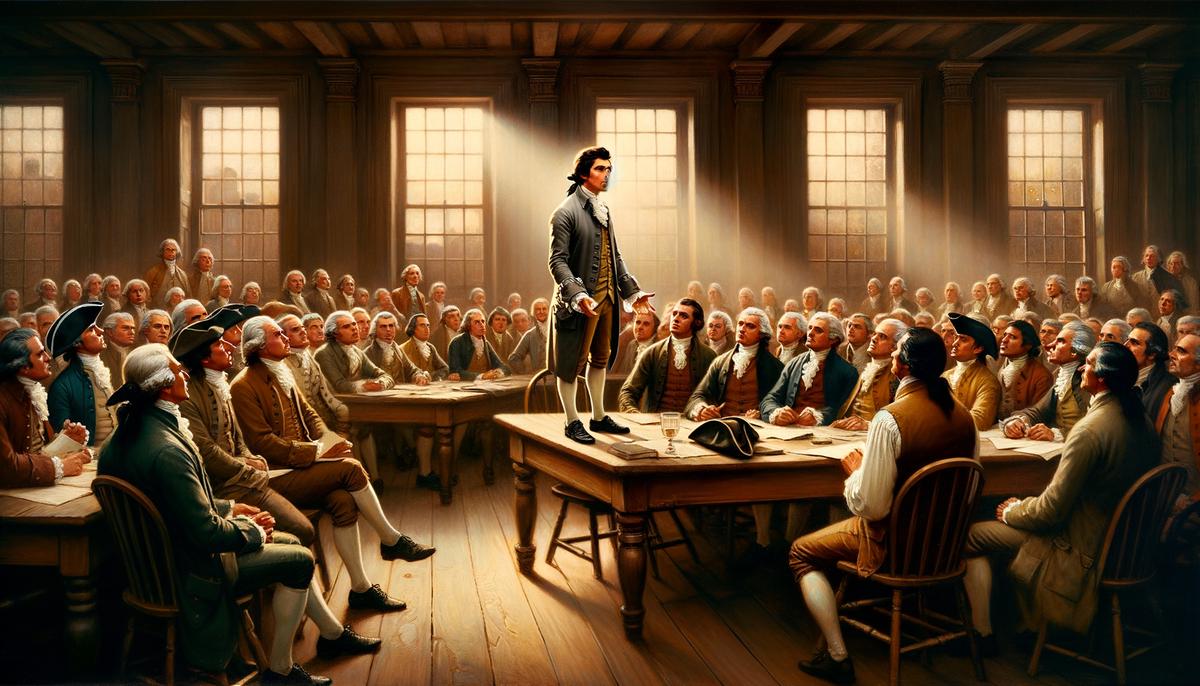
Samuel Adams & Committees
In 1772, Samuel Adams proposed the Boston Committee of Correspondence to address grievances against British rule. This committee was formed to write complaints, assert colonists' rights, and distribute these messages widely. Towns across Massachusetts were encouraged to create similar committees,...
Read more →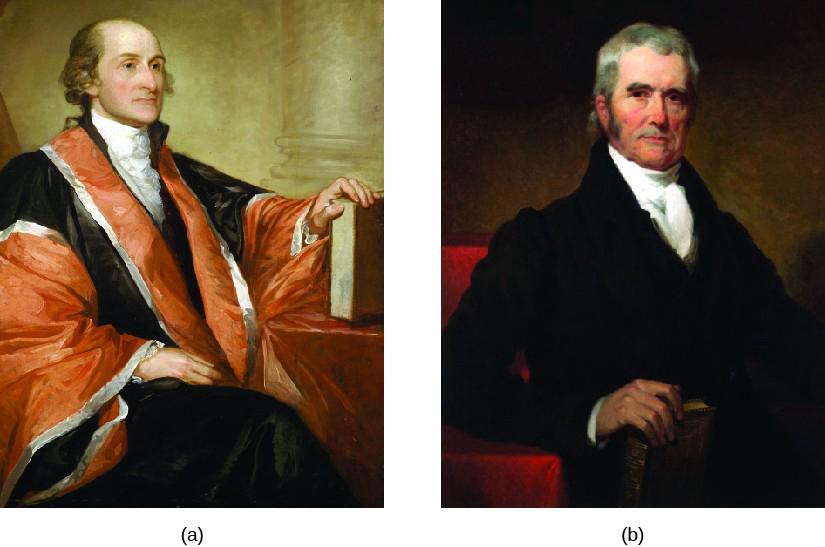
John Jay's Judiciary Role
George Washington selected John Jay as the first Chief Justice of the Supreme Court, a decision rooted in their strong relationship and Jay's extensive experience. Jay's credentials were impressive: President of the Continental Congress Key negotiator of the Treaty of Paris Co-author of some...
Read more →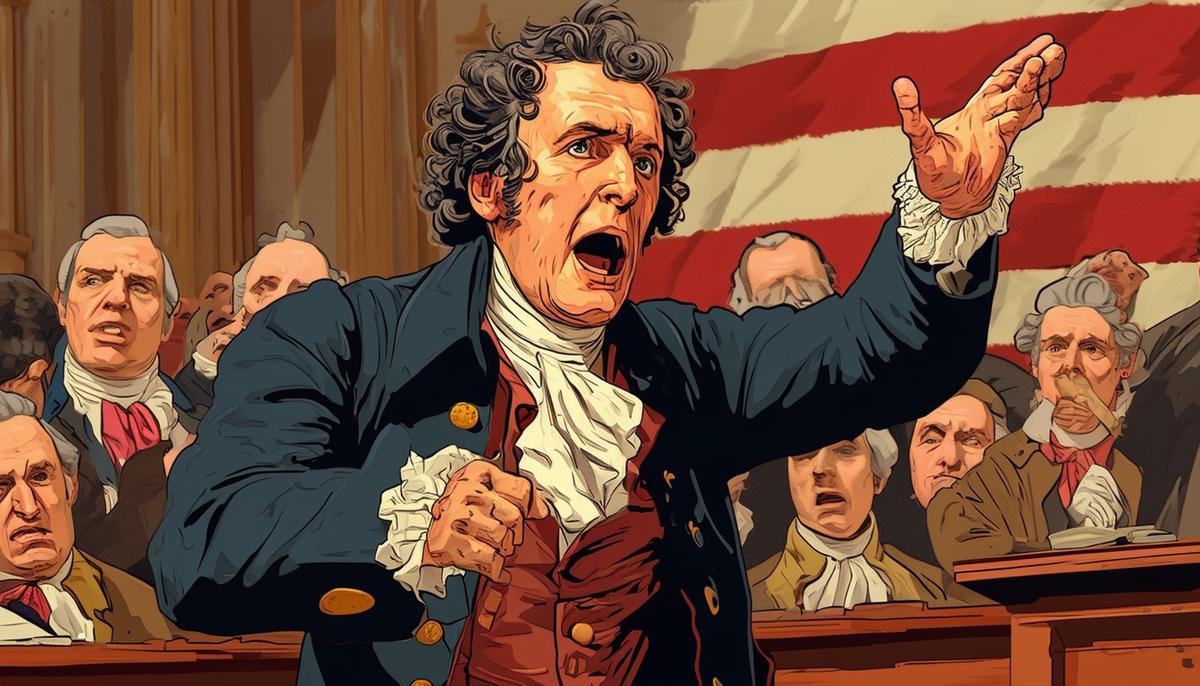
Patrick Henry's Bill of Rights Fight
Patrick Henry, the firebrand Virginia orator, staunchly opposed the U.S. Constitution, viewing it as a threat to individual liberties. At the Virginia Ratification Convention, he argued passionately that the Constitution lacked crucial protections against centralized power. Henry feared the...
Read more →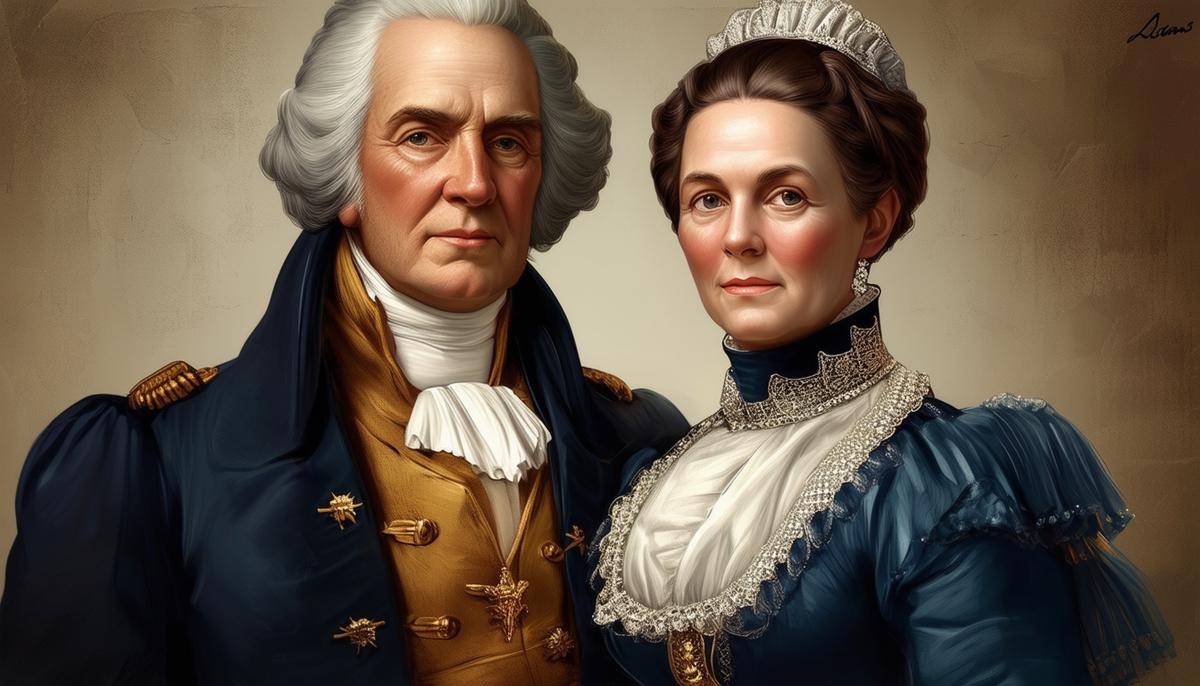
Adams' Presidential Influence
Abigail Adams was no typical First Lady of the late 18th century. Her advisory role to John Adams was crucial to his presidency. Their marriage resembled a political alliance underpinned by mutual respect and shared vision. Abigail brought insightful analysis to John's political endeavors. She was...
Read more →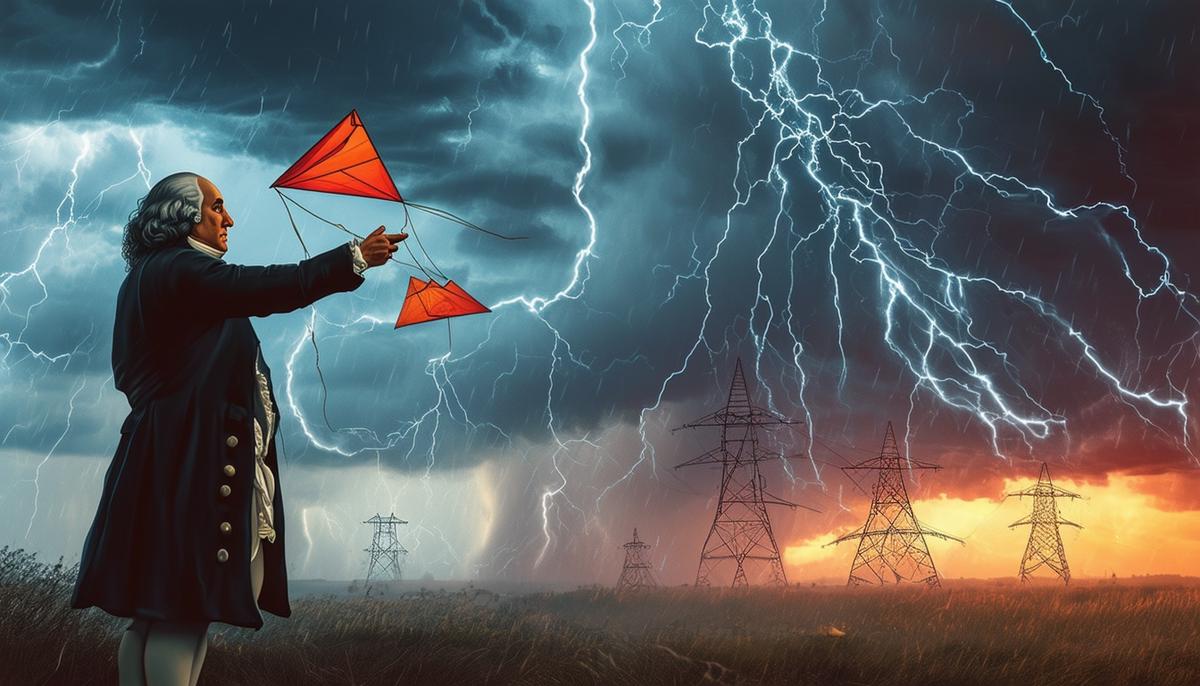
Franklin's Scientific Contributions
Benjamin Franklin's iconic kite experiment explored the relationship between lightning and electricity. His groundbreaking findings, published in "Experiments and Observations on Electricity," significantly contributed to electromagnetic theory and inspired future scientists and inventors....
Read more →
Hamilton's Central Government Support
Alexander Hamilton championed a strong federal government at the 1787 Constitutional Convention. He proposed radical ideas like life-long terms for senators and a powerful executive. Though not all adopted, his impact was significant. Hamilton wrote most of the Federalist Papers , explaining why...
Read more →
Madison and the Bill of Rights
James Madison, initially opposed to a Bill of Rights, underwent a significant transformation in his stance due to mounting pressure from Anti-Federalists and states concerned about their rights. This shift wasn't rooted in idealism but in pragmatic politics. Madison viewed governance as a delicate...
Read more →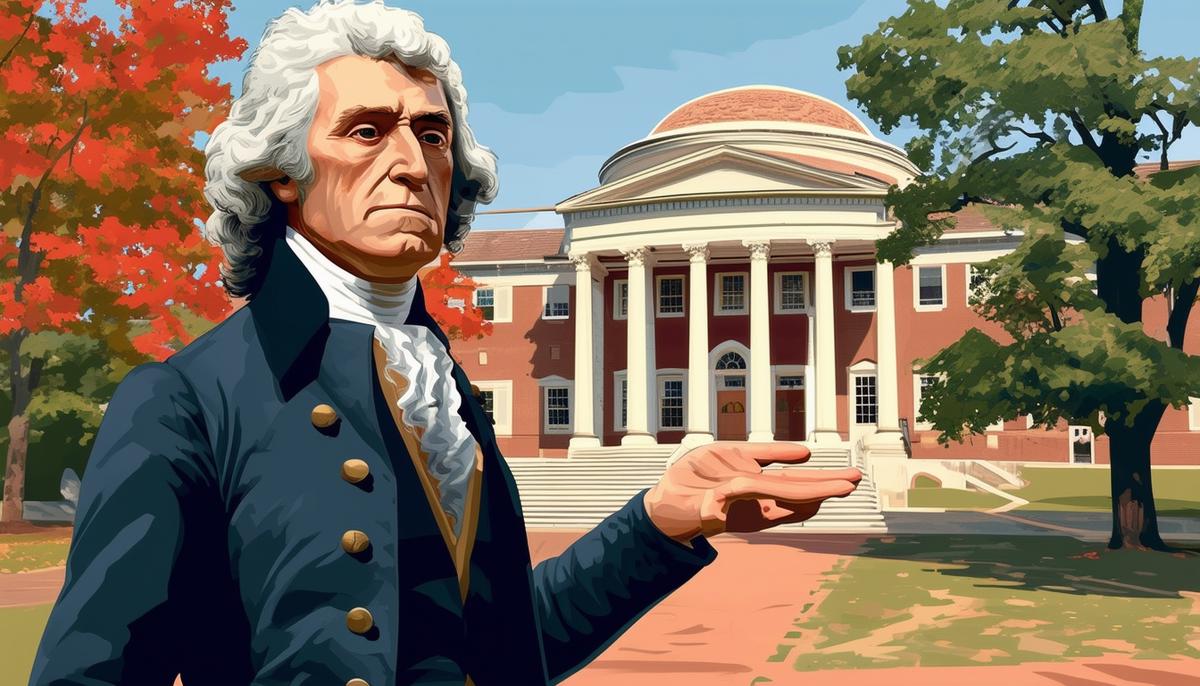
Jefferson's Education Impact
Thomas Jefferson proposed a decentralized education system, favoring local community control over state or federal governance. He believed ordinary citizens could manage schools better than government officials. Jefferson advocated for public schools free from religious control, viewing education...
Read more →Second Amendment & Gun-Free Zones
The Second Amendment's history is complex and intertwined with America's racial past. Gun restrictions often had racist undertones, with Black individuals frequently disarmed while white citizens retained firearm privileges. The concept of a militia evolved from a collective defense idea to one...
Read more →
Washington's Farewell Warnings
Washington's Farewell Address emphasized national unity as America's lifeline. He warned against regional divisions and political parties, seeing them as threats to national well-being. Washington argued that unity was essential for the young nation's survival and independence. He cautioned against...
Read more →First Amendment & Religious Symbols
Colonial America was like a melting pot of religious beliefs, each colony sporting its own unique mix of faiths. You had Quakers in Pennsylvania, Catholics in Maryland, and Puritans holding down the fort in Massachusetts. Anne Hutchinson went toe-to-toe with the Puritans in Massachusetts for...
Read more →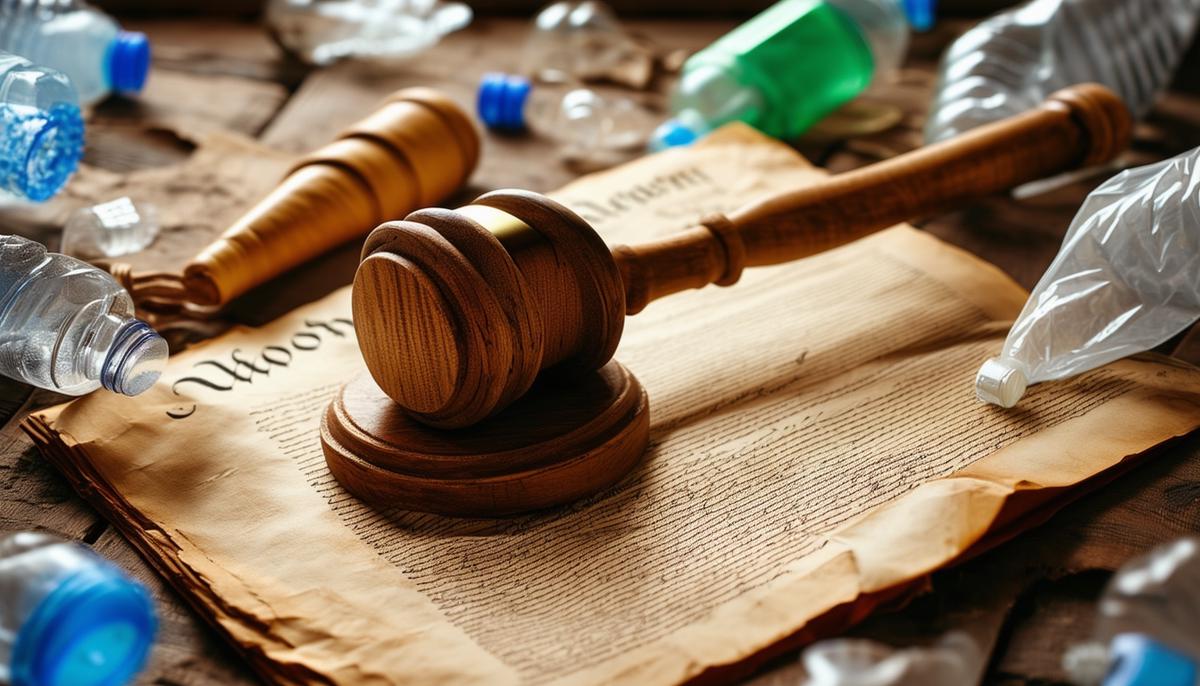
Constitutionality of Plastic Bans
The legal landscape around plastic bans remains contentious. In Oaxaca, Mexico, amendments to the Solid Waste Prevention and Management Law in 2019 banned non-recycled plastic bags. A manufacturer challenged this, claiming constitutional rights violations. The Supreme Court ruled environmental...
Read more →