
US Constitution.co
Constitutional Topics
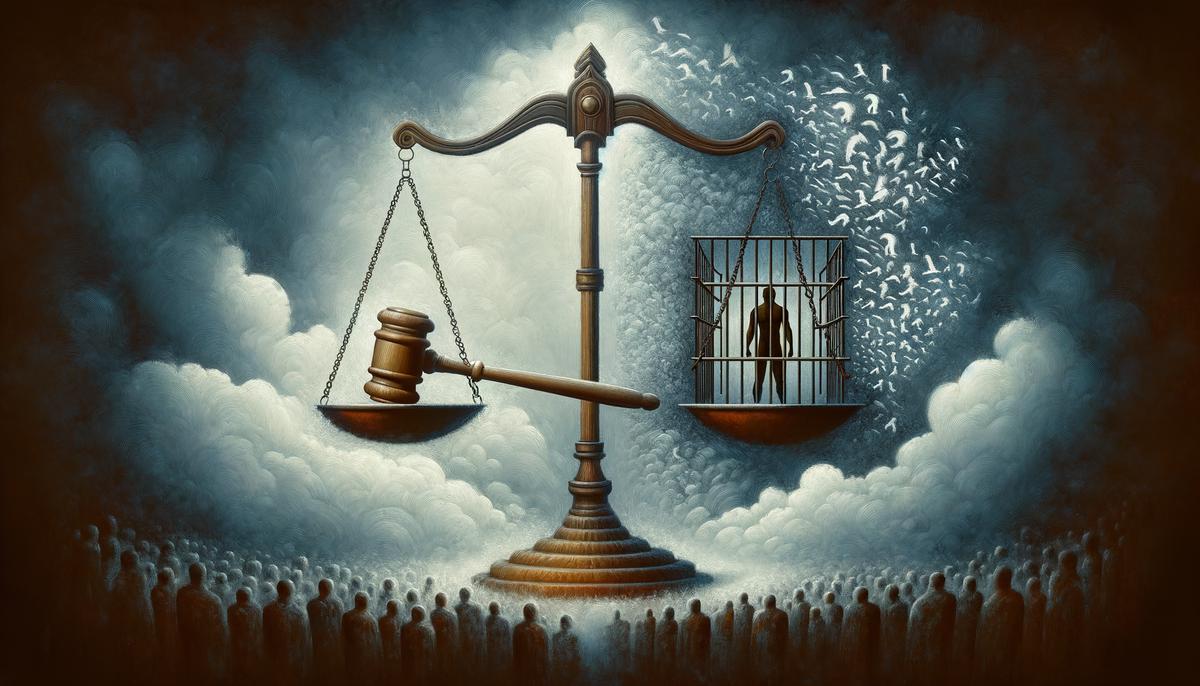
For-Profit Prisons & 8th Amendment
The Eighth Amendment prohibits "cruel and unusual punishments," but its application to for-profit prisons raises questions. Originally aimed at extreme punishments like drawing and quartering, courts now debate whether its interpretation should evolve with societal norms or remain fixed in the...
Read more →
Constitutionality of Book Bans
Book bans in public schools involve removing books due to objectionable content. This raises First Amendment concerns about viewpoint discrimination. Schools must balance protecting students with allowing access to diverse ideas. Common reasons for bans include: Explicit content Controversial...
Read more →
Qualified Immunity Debate
Qualified immunity began in 1967 with Pierson v. Ray , protecting officers acting with "good faith" and probable cause. In 1982, Harlow v. Fitzgerald removed the good faith requirement. Now, officers avoid liability unless there's clear, established law against their actions. The 2008 Pearson v....
Read more →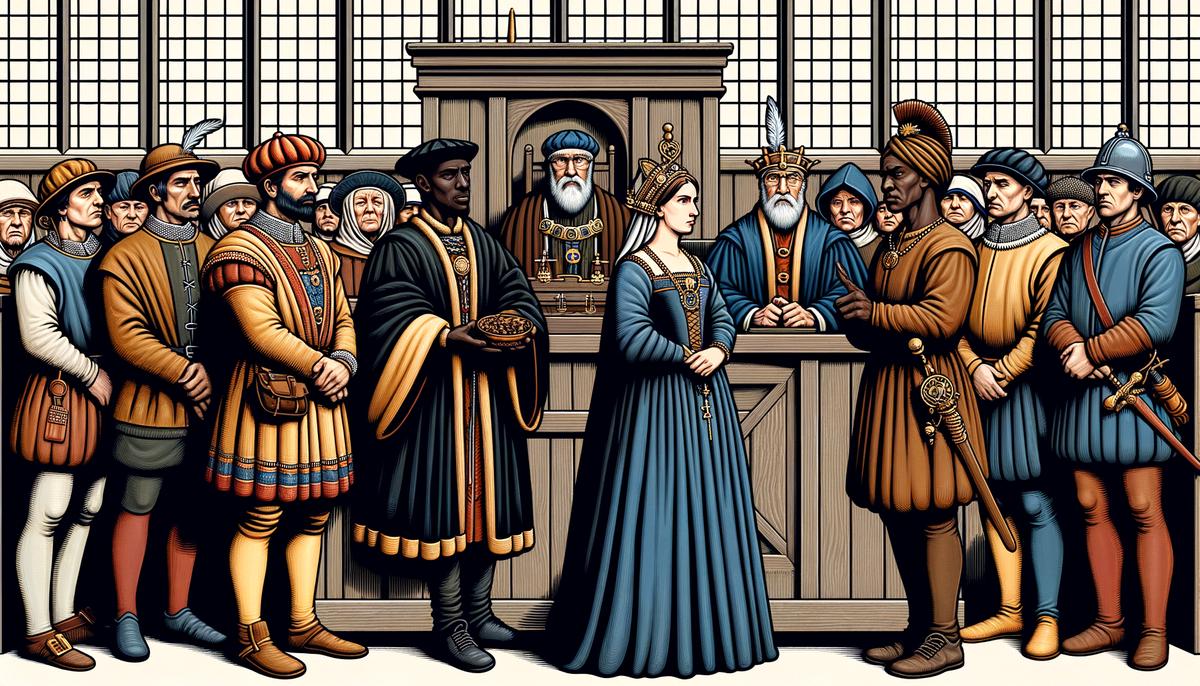
Cash Bail and Equality
Cash bail originated in Anglo-Saxon England as a system of sureties vouching for the accused. The Norman invasion in 1066 brought changes, restricting bail for serious crimes and giving sheriffs discretion over detention. Early American colonies adapted these practices, with some variations:...
Read more →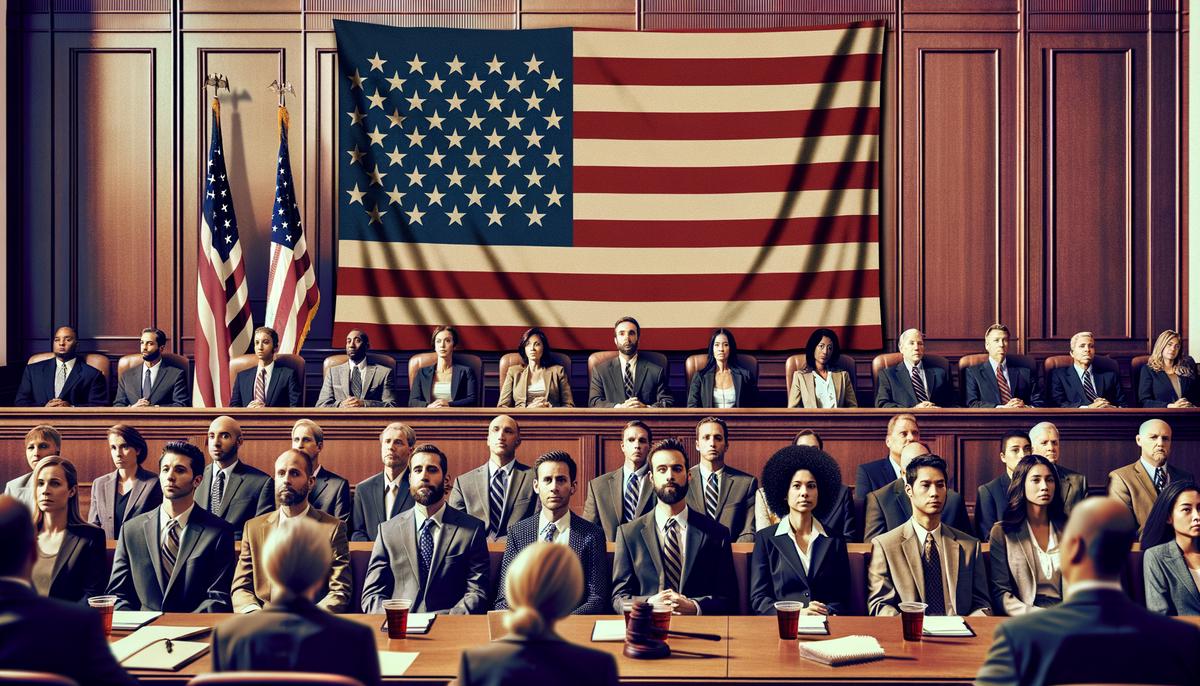
Unanimous Juries & Sixth Amendment
The Sixth Amendment stems from English common law principles that shaped American legal foundations. In England, jury trials were seen as a safeguard against crown overreach. The United States adopted this concept, with the Framers embedding it in the Constitution to check tyranny. The Framers...
Read more →
Draft vs. Constitution
The draft in the United States began during the Civil War with the 1862 Militia Act. The Selective Service Act of 1917 conscripted men for World War I, drafting nearly 2.8 million. World War II saw the Selective Training and Service Act of 1940, drafting men before U.S. entry into the war. The...
Read more →Electoral College Debate
At the 1787 Constitutional Convention, the framers faced the challenge of how to elect the president. They created the Electoral College as a compromise between those who wanted Congress to choose and those who favored a popular vote. The Electoral College aimed to balance the interests of big and...
Read more →
Federal Role in Interstate Commerce
The Constitution's Commerce Clause gave Congress authority to regulate trade between states and with foreign nations. The key question: What does "commerce" encompass? Gibbons v. Ogden (1824) expanded the reach of the Commerce Clause. Chief Justice John Marshall declared "commerce among states...
Read more →
Supreme Court on Discrimination
The interplay between religious freedoms and civil rights continues to shape the legal landscape, prompting discussions on how these principles coexist within the framework of American jurisprudence. As the Supreme Court grapples with these issues, cases like Fulton v. City of Philadelphia and...
Read more →
State Mask Mandates Constitutionality
The balance between federal and state authority in mandating mask-wearing during a pandemic is complex. The Constitution's 10th Amendment assigns powers not given to the federal government nor denied to the states to the states or people. This is reinforced by the anti-commandeering doctrine, which...
Read more →
Constitutional Challenges to Net Neutrality
Net neutrality regulations have evolved through legal challenges. The FCC's 2005 Internet Policy Statement set the stage for future debates between freedom and control. In 2010, the FCC issued the first Open Internet Order, which courts rejected in 2014. The FCC then reclassified broadband as a...
Read more →
State Nullification Debate
Nullification, a controversial constitutional theory, has roots dating back to the early days of the United States. It asserts that individual states can invalidate federal laws or judicial decisions they deem unconstitutional. This concept has faced significant challenges throughout American...
Read more →
Supreme Court's Legislative Role
Article III of the Constitution establishes the Supreme Court's role as a referee between states and empowers it to overturn matters involving Congress and legal interpretations. Marbury v. Madison established judicial review, allowing the Court to determine if legislation or executive actions are...
Read more →
ACA Commerce Clause Challenges
The Affordable Care Act's (ACA) legal journey centers on the Commerce Clause and the Necessary and Proper Clause. Congress aimed to expand health coverage using Commerce Clause power, which allows regulation of interstate commerce activities. The individual mandate, requiring health insurance...
Read more →First Amendment Protest Limits
Originalists argue the First Amendment is not unlimited. It has exceptions for fighting words, true threats, and obscenity. You can't claim free speech after yelling "fire" in a crowded theater. Courts debate what qualifies as protected speech. Hate speech and protest rights are contentious topics....
Read more →
Second Amendment & Red Flag Laws
Red flag laws allow certain individuals to petition a judge to temporarily remove someone's firearms if they're deemed a risk. There are two main types: Emergency orders lasting a few weeks Final orders that can last up to a year after a hearing Who can request these orders varies by state. Some...
Read more →
Constitution and Treaties
Article II, Section 2 of the Constitution grants the President the power to make treaties, with the advice and consent of the Senate. This process requires a two-thirds Senate vote for a treaty to become law, ensuring that no single individual can unilaterally decide the nation's international...
Read more →Take Care Clause Oversight
The Take Care Clause in the American Constitution mandates that the President must ensure the law is faithfully executed. Originating in the 1776 Pennsylvania Constitution and the 1777 New York Constitution, it was included in the U.S. Constitution before becoming central to debates over...
Read more →
War Powers Clause Impact
The War Powers Clause in the U.S. Constitution grants Congress the exclusive authority "to declare war." However, presidents have often interpreted this flexibly, finding ways to deploy troops without formal declarations. In the 1800s, presidents sent troops abroad under the guise of "defensive...
Read more →Contract Clause in Bankruptcy
The Contract Clause in the U.S. Constitution has shaped legal interpretations and debates for centuries, particularly in its interaction with bankruptcy law. This provision has been both a shield and a sword in the hands of the judiciary, preserving the sanctity of contracts against legislative...
Read more →