
US Constitution.co
Bill of Rights
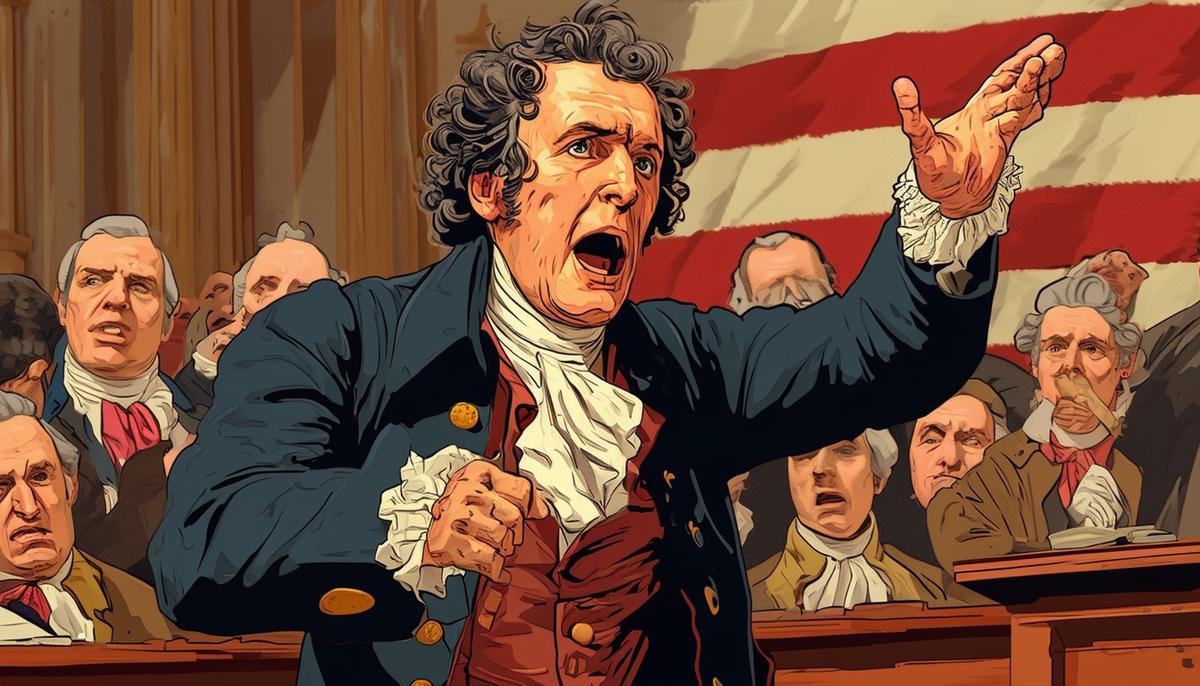
Patrick Henry's Bill of Rights Fight
Patrick Henry, the firebrand Virginia orator, staunchly opposed the U.S. Constitution, viewing it as a threat to individual liberties. At the Virginia Ratification Convention, he argued passionately that the Constitution lacked crucial protections against centralized power. Henry feared the...
Read more →
Madison and the Bill of Rights
James Madison, initially opposed to a Bill of Rights, underwent a significant transformation in his stance due to mounting pressure from Anti-Federalists and states concerned about their rights. This shift wasn't rooted in idealism but in pragmatic politics. Madison viewed governance as a delicate...
Read more →
Sixth Amendment Speedy Trial Right
The Sixth Amendment guarantees rights in criminal prosecutions, including a speedy trial . The definition of "speedy" has been debated since 1791. Historically, trials were quicker due to simpler circumstances. Today, landmark interpretations have shaped our understanding. Barker v. Wingo (1972)...
Read more →
Ninth Amendment Rights
The Constitution's ratification debates saw Federalists like James Wilson argue against a Bill of Rights, fearing it would imply no other rights existed. Anti-Federalists demanded it to safeguard freedoms. James Madison proposed amendments carefully, initially wanting rights integrated into the...
Read more →
James Madison and the Bill of Rights
James Madison initially opposed the Bill of Rights. He argued it was unnecessary and potentially harmful , viewing the Constitution as already limiting government powers through its structure. Madison worried listing specific rights might imply unmentioned rights weren't protected, or lead the...
Read more →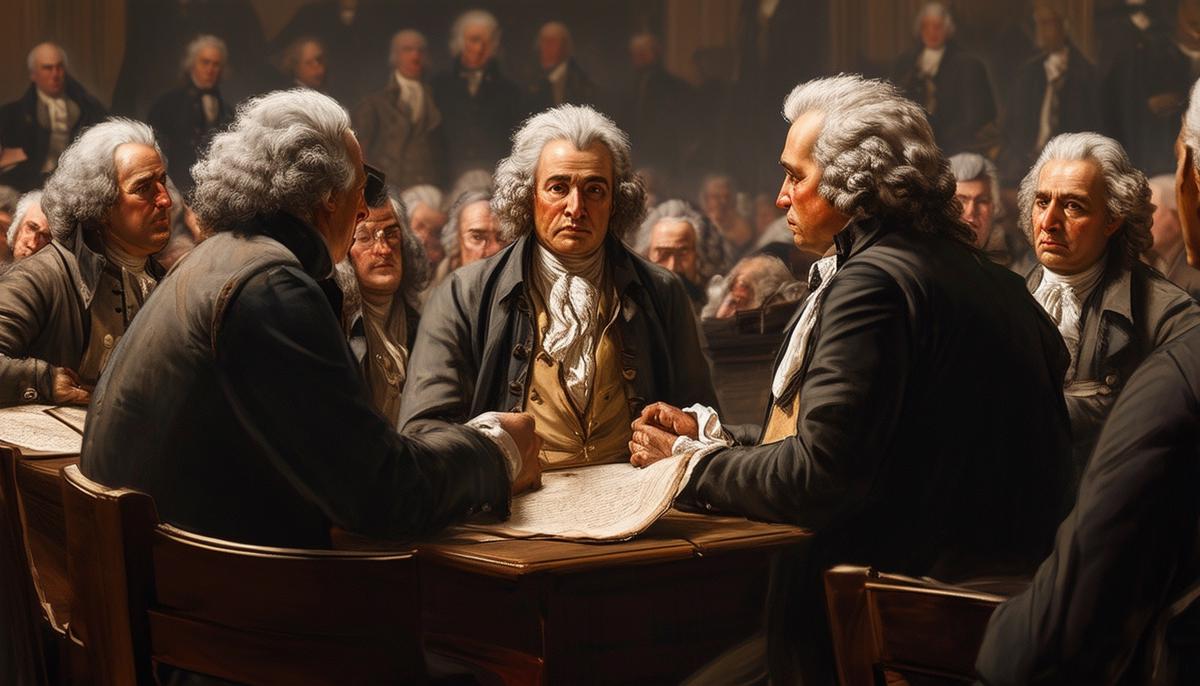
Bill of Rights vs. Federal Power
The original Constitution lacked a comprehensive bill of rights, despite most states having them. The Constitutional Convention delegates voted against including one, believing it unnecessary and potentially risky. They argued the federal government only had powers granted by the Constitution, so...
Read more →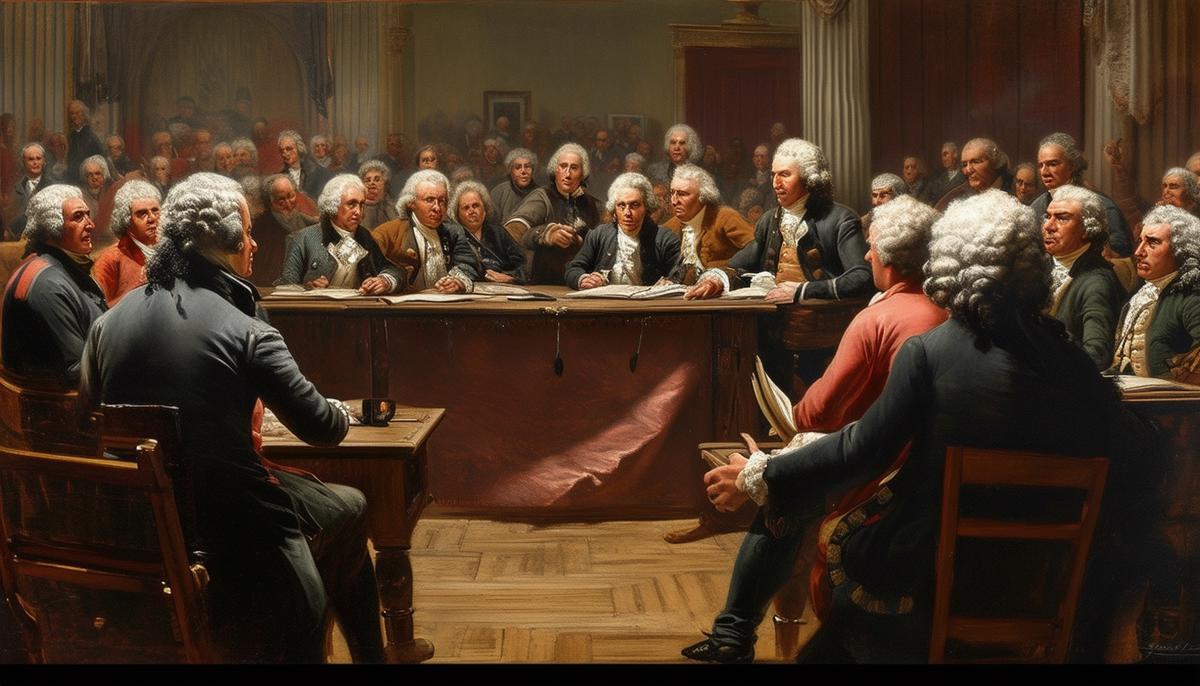
Ninth Amendment Rights
The Constitutional Convention of 1787 saw heated debates over the need for a Bill of Rights. Federalists argued that enumerating rights was unnecessary and risky, while Anti-Federalists demanded explicit protections against government overreach. James Madison proposed a compromise that became the...
Read more →
Supreme Court and Bill of Rights
The Bill of Rights barely made a legal ripple for almost 130 years. In 1833, the Supreme Court dismissed a Baltimore wharf owner's appeal to apply the Bill of Rights to state and local governments. The Court decided the amendments weren't meant to curb state actions. The 14th Amendment arrived...
Read more →
Bill of Rights Influences Liberties
The Bill of Rights, one of the three cornerstone documents of the United States, traces its roots back to various other influential pieces including the Virginia Declaration of Rights, the Magna Carta, and the English Bill of Rights. The amendments within the Bill of Rights offer a mosaic of...
Read more →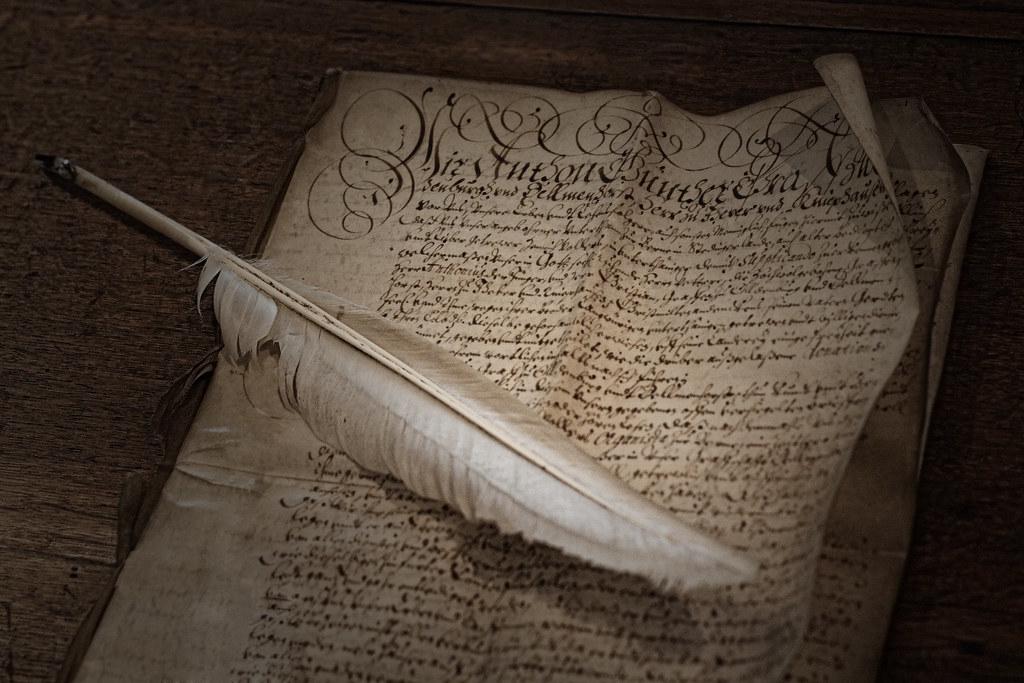
Adoption of Bill of Rights
The Framers' main goal at the 1787 Philadelphia convention was crafting the Constitution, not adding individual rights guarantees. Charles Pinckney proposed ideas like "liberty of the press" and preventing soldier quartering in homes, but these weren't approved by the Committee on Detail. On...
Read more →
Relevance of the Third Amendment
The Third Amendment in the Bill of Rights stemmed from colonial-era conflicts with British rule. The Quartering Acts forced American colonists to house British soldiers, even during peacetime. This practice was deeply unpopular, as colonists preferred local militias to professional soldiers. The...
Read more →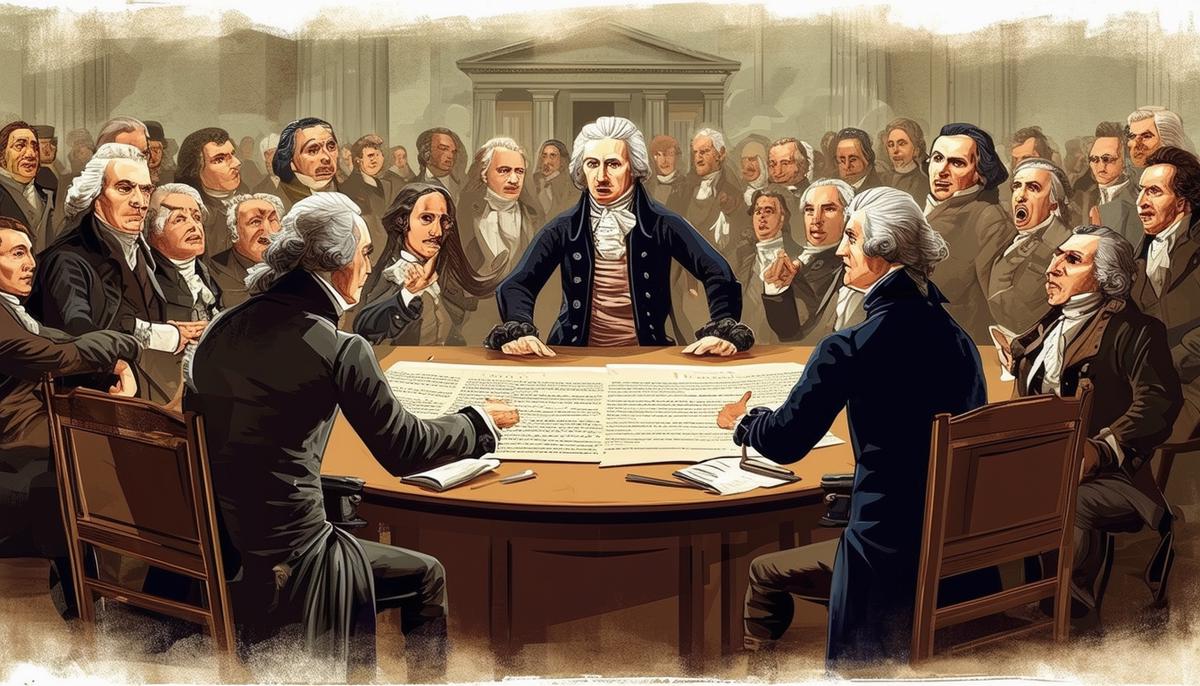
Debates Over Bill of Rights
The publication of the Constitution draft in 1787 sparked an ideological showdown between Federalists and Anti-Federalists. Federalists defended the Constitution, believing a Bill of Rights was unnecessary as the document itself limited government powers. Alexander Hamilton argued in Federalist No....
Read more →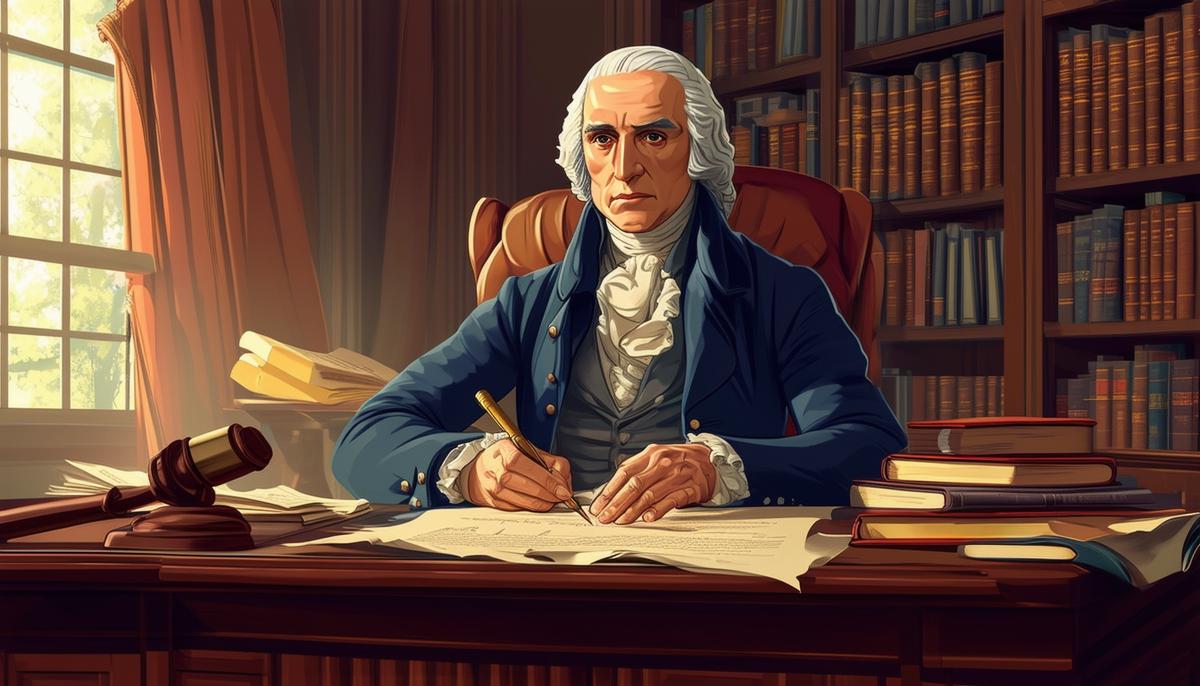
Founders' Intent on Bill of Rights
James Madison initially doubted the need for a Bill of Rights, thinking the Constitution already limited government power sufficiently. He worried listing specific rights might imply the government could intrude on unlisted areas. However, Madison became pragmatic when Anti-Federalists threatened...
Read more →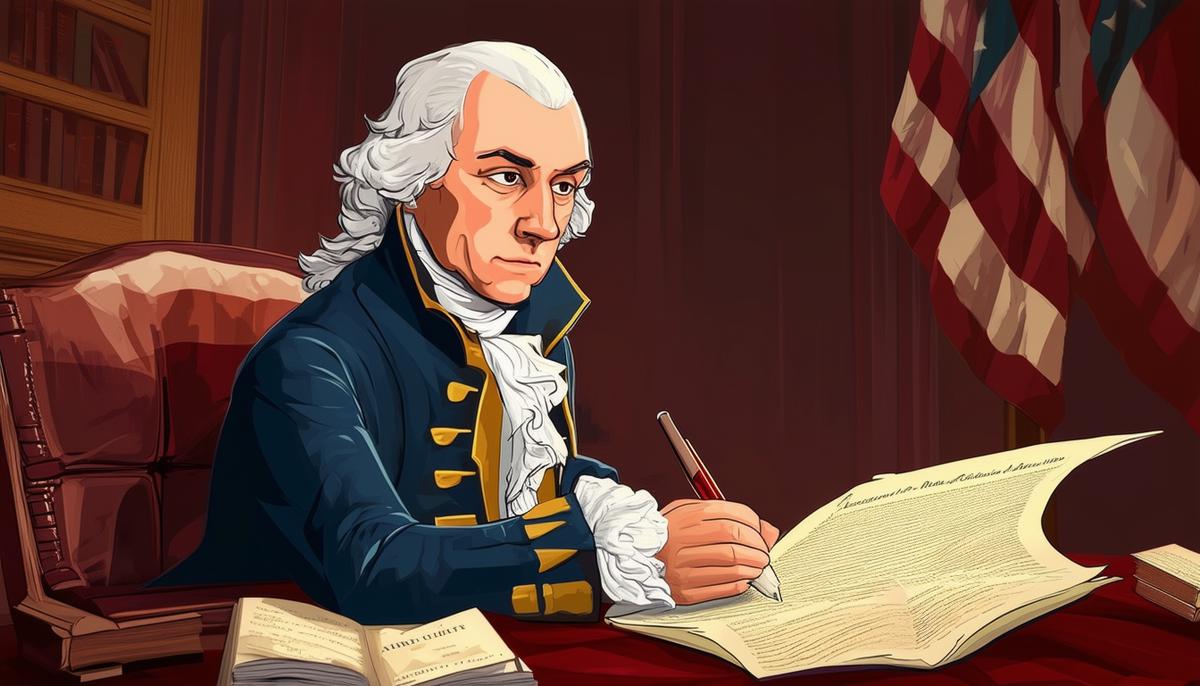
Challenges to Bill of Rights
James Madison wrote the Bill of Rights in 1789 to address concerns about federal power under the new U.S. Constitution. These first 10 amendments were added in 1791 to protect certain freedoms from government interference. For over a century, these amendments had limited impact. The Supreme Court...
Read more →
Enlightenment's Impact on Bill of Rights
John Locke's ideas profoundly shaped American legal principles, especially the Bill of Rights. Locke argued for inherent natural rights - life, liberty, and property . This forms the core of the First Amendment's freedoms of speech, religion, and press. Locke's belief in government by consent...
Read more →
Seventh Amendment in Civil Trials
Colonial America was rife with rebellion against British laws, especially taxes. The jury system offered a taste of power to the colonists. By the late 1700s, their desire for independence was strong. In England, juries had decided civil cases since the Middle Ages. When Parliament imposed laws on...
Read more →
Bill of Rights Influence Globally
The Bill of Rights emerged from a debate between Federalists and Anti-Federalists. Federalists wanted a strong central government, while Anti-Federalists demanded explicit protections for individual liberties. Two key influences on the Bill of Rights were: The Magna Carta: Introduced the concept...
Read more →
Bill of Rights' Role Today
The Constitutional Convention of 1787 was marked by debates and discord. Anti-Federalists pushed back against a strong centralized government, fearing a repeat of British tyranny. George Mason advocated for a Bill of Rights to address these concerns. During the Convention, the Bill of Rights...
Read more →
Bill of Rights in Modern Law
The Bill of Rights stemmed from centuries of ideas like the Magna Carta and the Virginia Declaration of Rights . When delegates drafted the U.S. Constitution in 1787, it lacked a Bill of Rights. Anti-Federalists demanded guarantees against federal overreach, while Federalists thought the...
Read more →
Origins of the Bill of Rights
The Magna Carta (1215) limited royal power, planting early seeds of liberty. The English Bill of Rights (1689) banned cruel punishments and ensured free elections. Colonial unrest under British rule, including the 1765 Stamp Act and warrantless searches, fueled desire for self-governance....
Read more →