
US Constitution.co
Amendments
22nd Amendment's Impact on Campaigns
Franklin D. Roosevelt's presidency reshaped America's executive branch. Elected four times, his tenure ignited debates about executive overreach. Roosevelt took office during the Great Depression in 1932 and led the country through World War II, making his leadership crucial in turbulent times. His...
Read more →
27th Amendment and Congressional Pay
James Madison proposed twelve amendments in 1789. Ten became the Bill of Rights, while one lingered - the future 27th Amendment. Its premise: no pay raises for Congress without an election intervening . Benjamin Franklin cautioned about giving Congress control over its finances, fearing...
Read more →
25th Amendment and Succession
Presidents like James Garfield and Woodrow Wilson faced incapacitation that left the country uncertain. Garfield spent 80 days in a coma , while Wilson's last year and a half were affected by a severe stroke. The Constitution was unclear on who had the authority to declare a president unable to...
Read more →
Tenth Amendment in Modern Federalism
The Tenth Amendment emerged from debates at the Constitutional Convention about power distribution between federal and state governments. Federalists like Alexander Hamilton wanted a strong central government, while Anti-Federalists like Thomas Jefferson sought to preserve state power. The...
Read more →
Effects of the 23rd Amendment on D.C.
The Twenty-third Amendment, adopted in 1961, granted Washington, D.C. residents the right to vote in presidential elections. Before this, D.C. residents couldn't vote for President or Vice President and lacked representation in Congress, despite paying federal taxes and serving in the military. The...
Read more →
Seventeenth Amendment Explained
The Senate's original setup involved senators chosen by state legislatures, as per Article I, Section 3 of the Constitution. This was Madison's idea to give states influence in federal legislation and balance the House of Representatives. Post-Civil War, problems emerged: State legislatures got...
Read more →
Impact of the 26th Amendment
The 26th Amendment lowered the voting age to 18 in the United States. This change was driven by the "old enough to fight, old enough to vote" argument during World War II and the Vietnam War. Georgia first lowered its voting age to 18 for state and local elections in 1943, though only for white...
Read more →
Seventeenth Amendment and Federalism
The Seventeenth Amendment, enacted in 1913, mandates that U.S. Senators must be elected by popular vote, rather than being selected by state legislatures. This change was a significant shift in the American political landscape. At the heart of the push for the Seventeenth Amendment was the issue of...
Read more →
Legal Challenges of the 25th Amendment
The 25th Amendment arose from gaps in the original Constitution regarding presidential succession. Presidents like James Garfield and Woodrow Wilson , incapacitated while in office, exposed these weaknesses. Eisenhower's health issues and Kennedy's assassination finally spurred action. The...
Read more →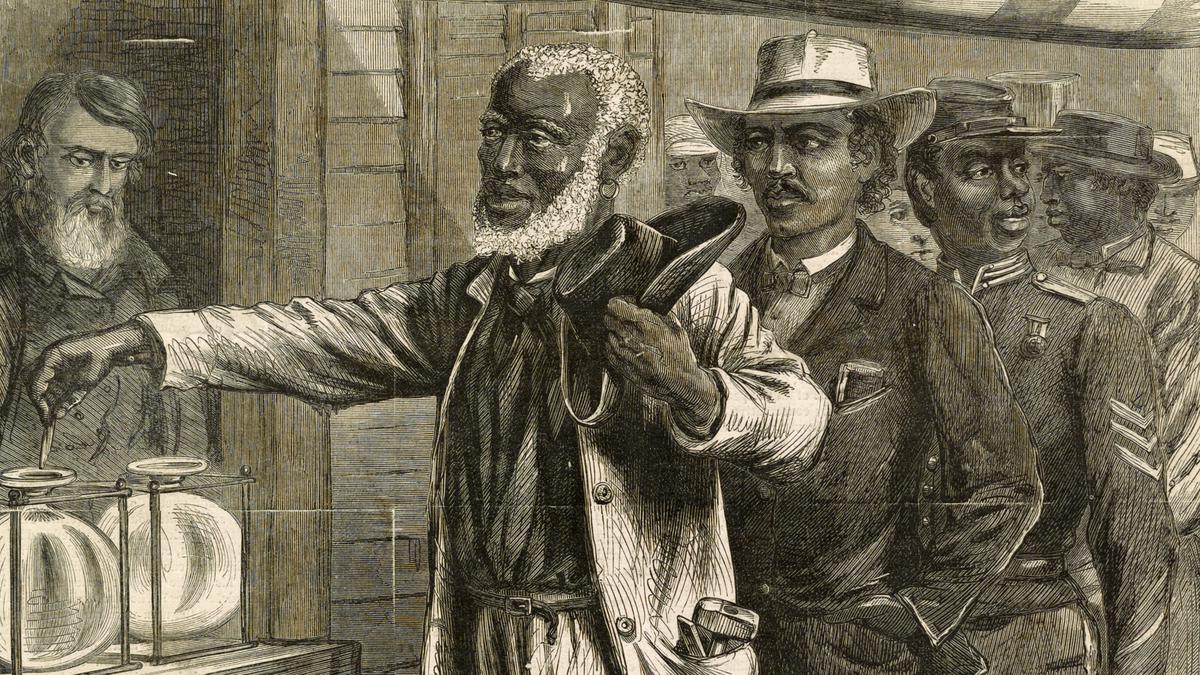
Progressive Era Amendments Impact
The 16th Amendment, ratified in 1913, revolutionized how the U.S. government collected revenue. Before this, tariffs were the main source of federal income, burdening those who earned the least by taxing needed goods. The income tax, based on individuals' earnings, ensured that those who made more...
Read more →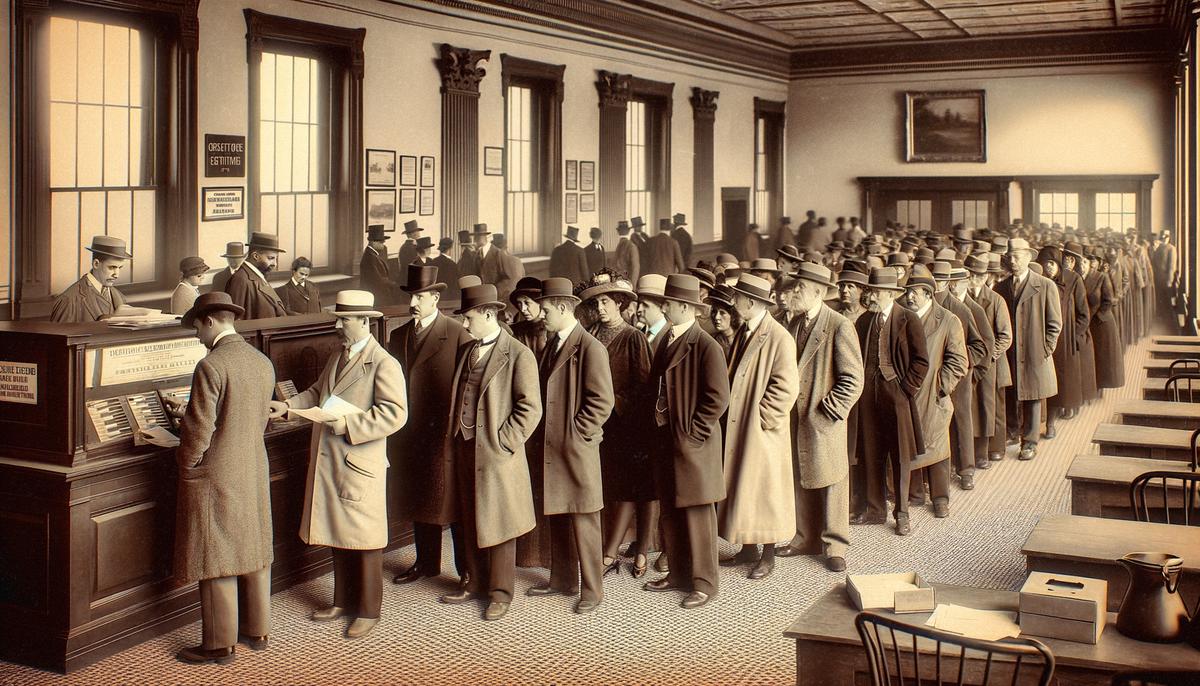
24th Amendment Voting Rights
The Framers left voter qualifications up to the states. Many states initially limited voting to property owners, then introduced poll taxes. Poll taxes expanded the voter pool at first, but most states abandoned them by the mid-19th century. After the Fifteenth Amendment, Southern states...
Read more →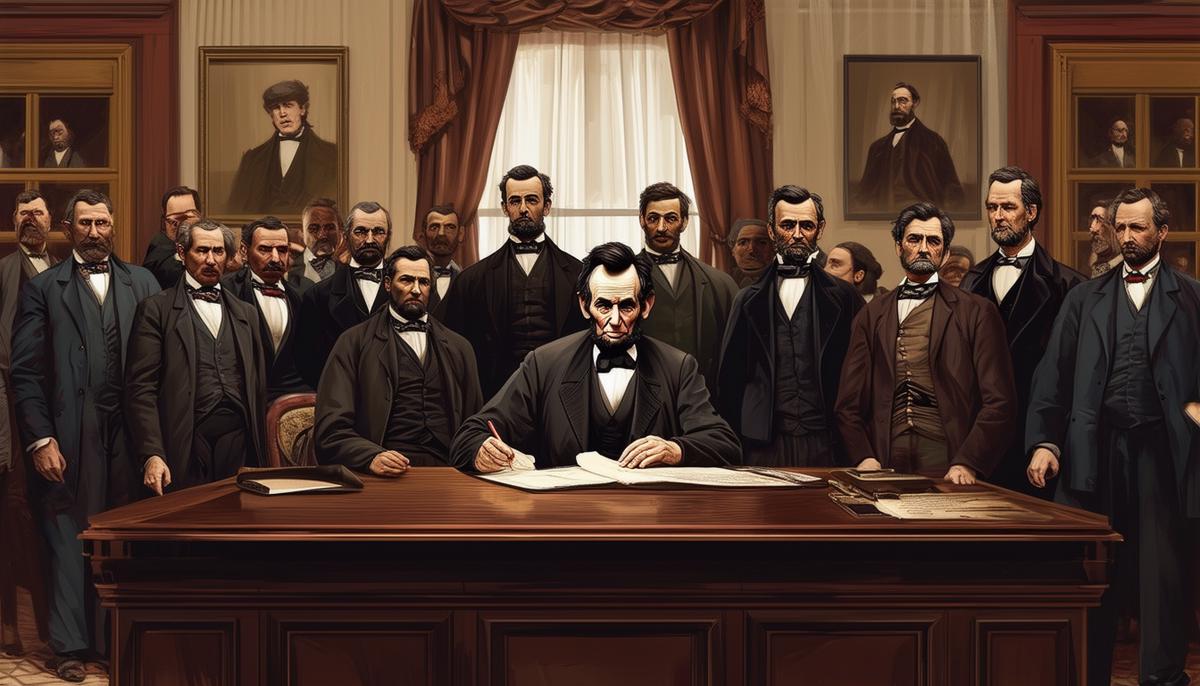
Thirteenth Amendment's Civil Rights Impact
The Civil War was a nationwide struggle over slavery. In 1863, Lincoln issued the Emancipation Proclamation , but it didn't free all slaves. Congress proposed the Thirteenth Amendment in January 1865. The Senate passed it in April 1864, but the House struggled until Lincoln used his influence. On...
Read more →
The 26th Amendment and Voting Age
World War II sparked debate when the draft age was lowered to 18 while voting age remained 21. The slogan "old enough to fight, old enough to vote" emerged. Vietnam War intensified this issue, with anti-war protests led by students echoing the slogan. Oregon v. Mitchell (1970) ruled Congress could...
Read more →
22nd Amendment Term Limits
The Twenty-second Amendment, adopted in 1951, limited presidential terms. The Framers initially debated lifetime appointments, but settled on the Electoral College system without term limits. George Washington set a two-term precedent , followed by most presidents for 150 years. Franklin D....
Read more →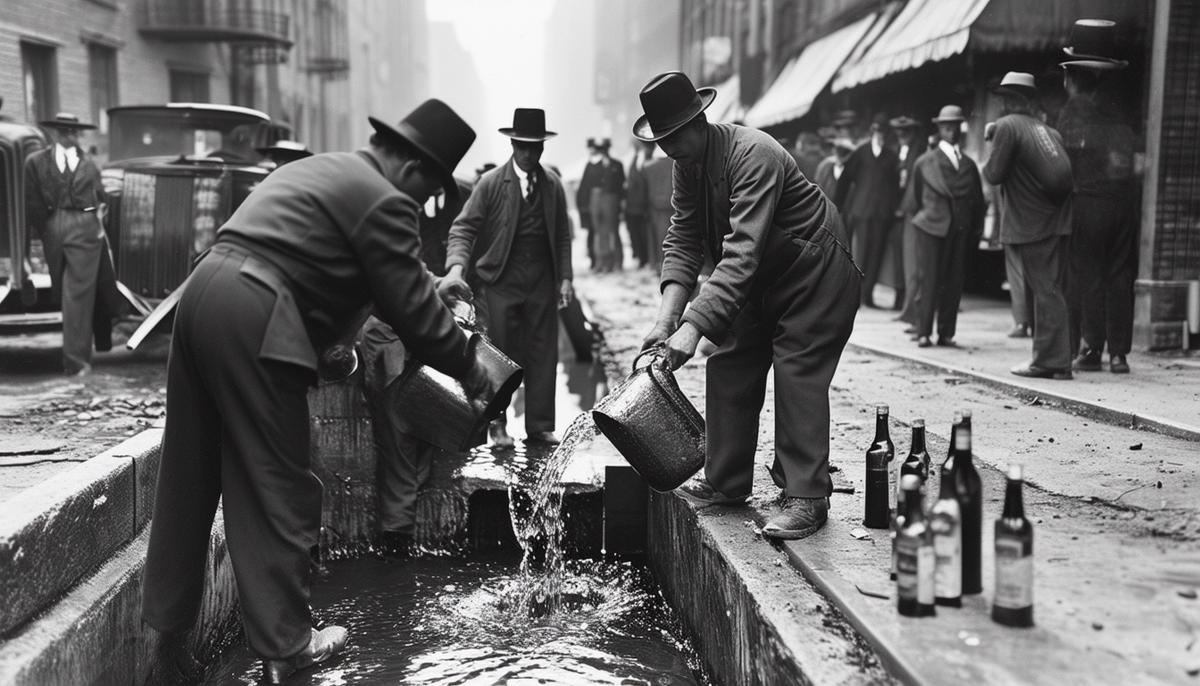
Eighteenth Amendment Impact
The temperance movement sparked the Eighteenth Amendment in the 19th century. By the mid-1800s, the American Temperance Society had over 200,000 members. The Anti-Saloon League and Women's Christian Temperance Union (WCTU) later became key players, lobbying against alcohol. World War I added...
Read more →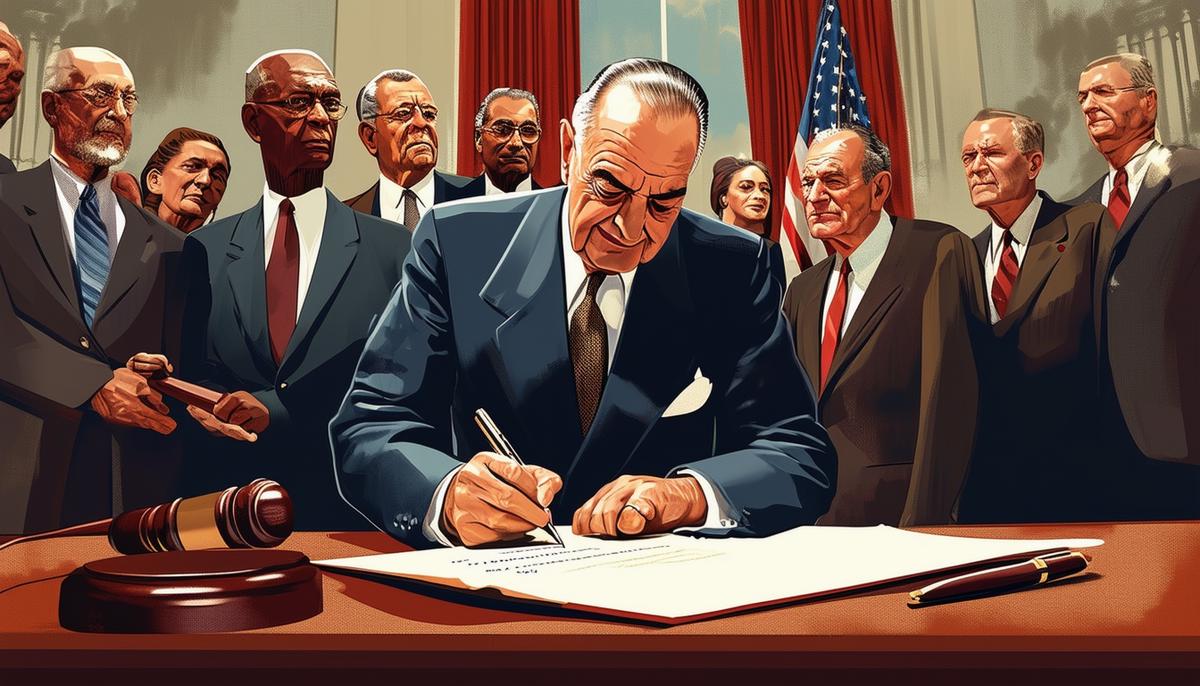
24th Amendment and Poll Taxes
Poll taxes originated in the colonial era as a simple head tax. In the late 1800s, Southern states used them as a voter suppression tool, despite the Fifteenth Amendment. States implemented poll taxes along with literacy tests and felony disenfranchisement to restrict African Americans and poor...
Read more →
Ninth Amendment and Natural Rights
Post-Revolutionary America saw Federalists and Anti-Federalists clash over the new Constitution. Anti-Federalists demanded a Bill of Rights to prevent government overreach. James Madison proposed a proto-Ninth Amendment to address concerns without restricting freedoms. The Select Committee refined...
Read more →
Fourth Amendment Privacy
The Fourth Amendment emerged from 18th-century British and colonial practices. General warrants in Britain and writs of assistance in the colonies allowed unreasonable searches, spurring the Founding Fathers to protect citizens' homes and property from government intrusion. Ratified in 1791, the...
Read more →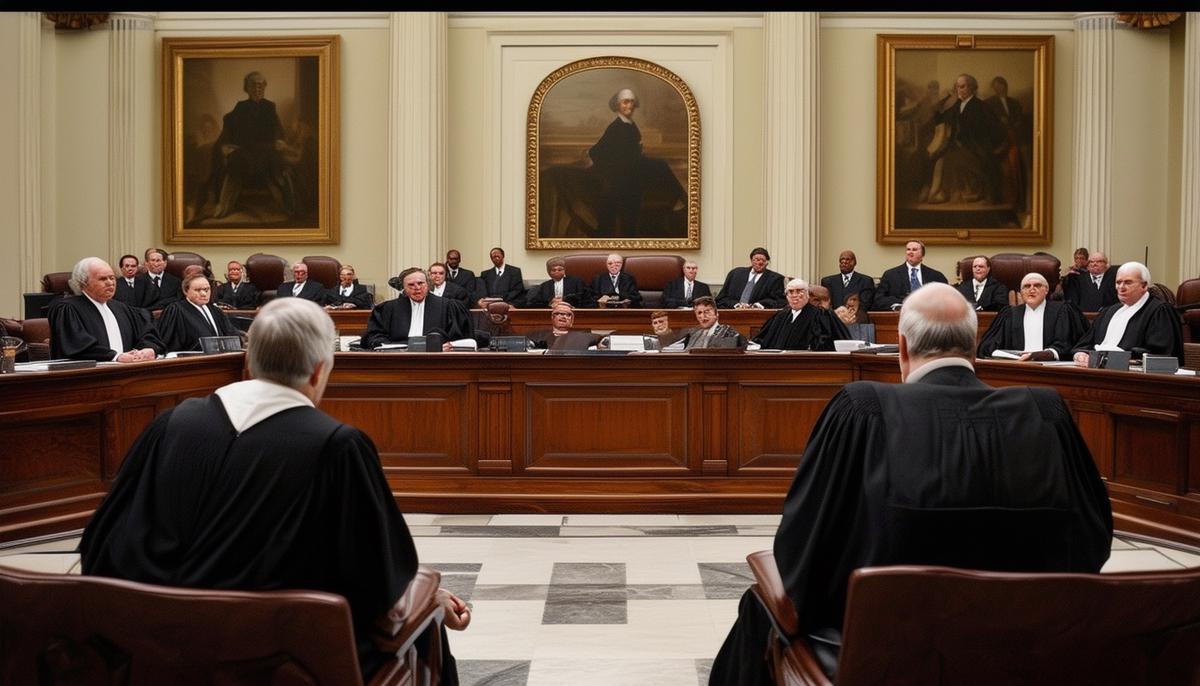
Sixteenth Amendment Tax Debate
The Articles of Confederation limited Congress's ability to levy taxes, forcing it to request funds from states. This approach nearly bankrupted the nation. At the 1787 Constitutional Convention, the Founders addressed this issue while remaining wary of direct taxes. They created the Apportionment...
Read more →
Third Amendment and Soldier Quartering
The Third Amendment originated from colonial grievances against British quartering practices. The Quartering Act of 1765 required colonists to house British soldiers, even in private homes. This was expanded by the Intolerable Acts of 1774 . These practices fueled colonial resentment, as noted in...
Read more →