
US Constitution.co
US Constitution.co
The U.S. Constitution
Sixth Amendment Right to Counsel
The Sixth Amendment establishes the right to counsel in criminal proceedings. This right activates when formal proceedings begin, requiring defendants to have legal representation. Key Supreme Court decisions have shaped the scope of this right: Gideon v. Wainwright (1963): Affirmed that states...
Read more →
Incorporation via 14th Amendment
The Fourteenth Amendment emerged in the aftermath of the Civil War in 1866. Congressman John A. Bingham and Senator Jacob Howard spearheaded efforts to extend the Bill of Rights to the states. The amendment's pivotal clause states: "nor shall any state deprive any person of life, liberty, or...
Read more →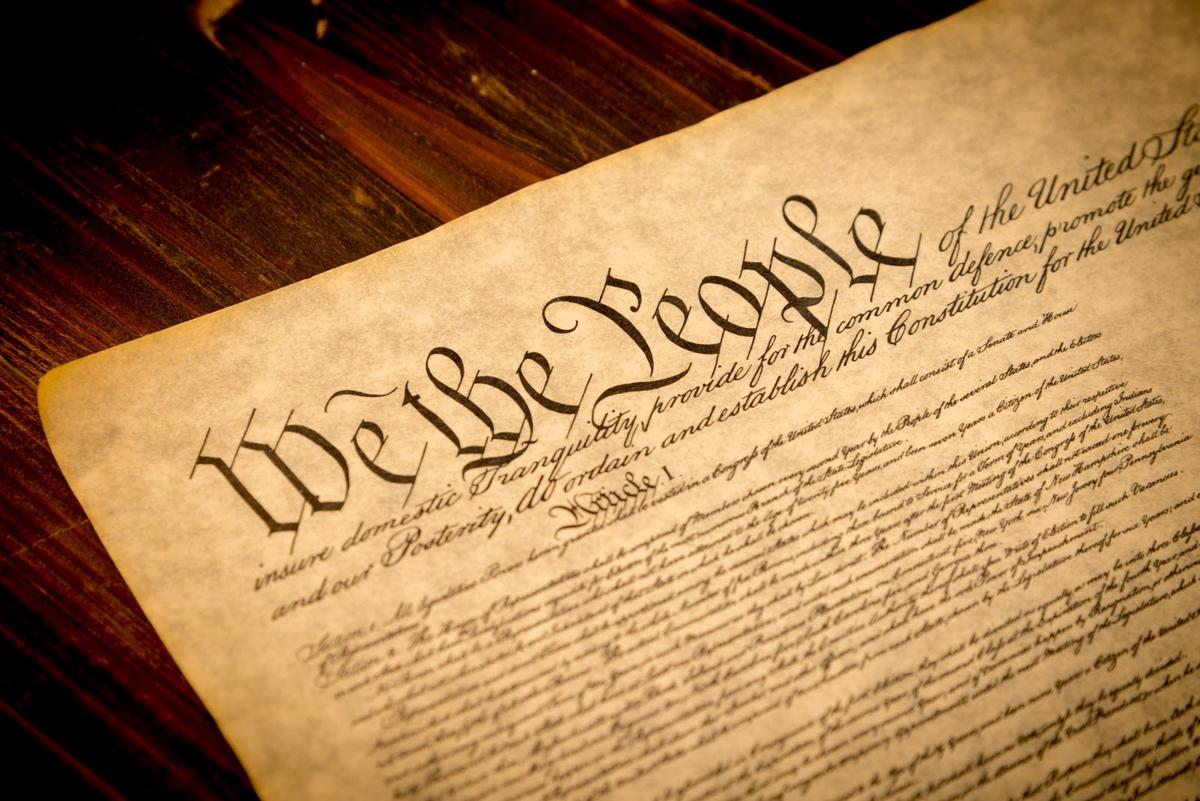
Founders' Debates at the Convention
The Articles of Confederation were a prime example of flawed government design. Each state had one vote, regardless of size or population. This meant small states could block important measures, creating political stalemates. Congress couldn't levy taxes under the Articles. It had to request money...
Read more →
First Amendment Press Freedom
The First Amendment states: "Congress shall make no law... abridging the freedom of speech, or of the press." The framers wanted a press that could challenge authority without fear. Justice Stewart emphasized that the First Amendment distinguished between speech and press, highlighting the press's...
Read more →
Originalist First Amendment Views
Justice Antonin Scalia's originalist approach to the Constitution faced challenges regarding the First Amendment. His respect for precedent alongside his originalism shaped his thinking on free speech issues. In Texas v. Johnson (1989), Scalia voted to protect flag burning as free speech, despite...
Read more →
Eighteenth Amendment Impact
The temperance movement sparked the Eighteenth Amendment in the 19th century. By the mid-1800s, the American Temperance Society had over 200,000 members. The Anti-Saloon League and Women's Christian Temperance Union (WCTU) later became key players, lobbying against alcohol. World War I added...
Read more →
Juries in the Bill of Rights
Trial by jury has roots in ancient civilizations but took its modern form in medieval England. Henry II standardized it, and by Henry III's time, the accused had some fairness. The Magna Carta of 1215, signed by King John, set the tone for fair trials, stating: "No free man shall be seized or...
Read more →
Bill of Rights' Role Today
The Constitutional Convention of 1787 was marked by debates and discord. Anti-Federalists pushed back against a strong centralized government, fearing a repeat of British tyranny. George Mason advocated for a Bill of Rights to address these concerns. During the Convention, the Bill of Rights...
Read more →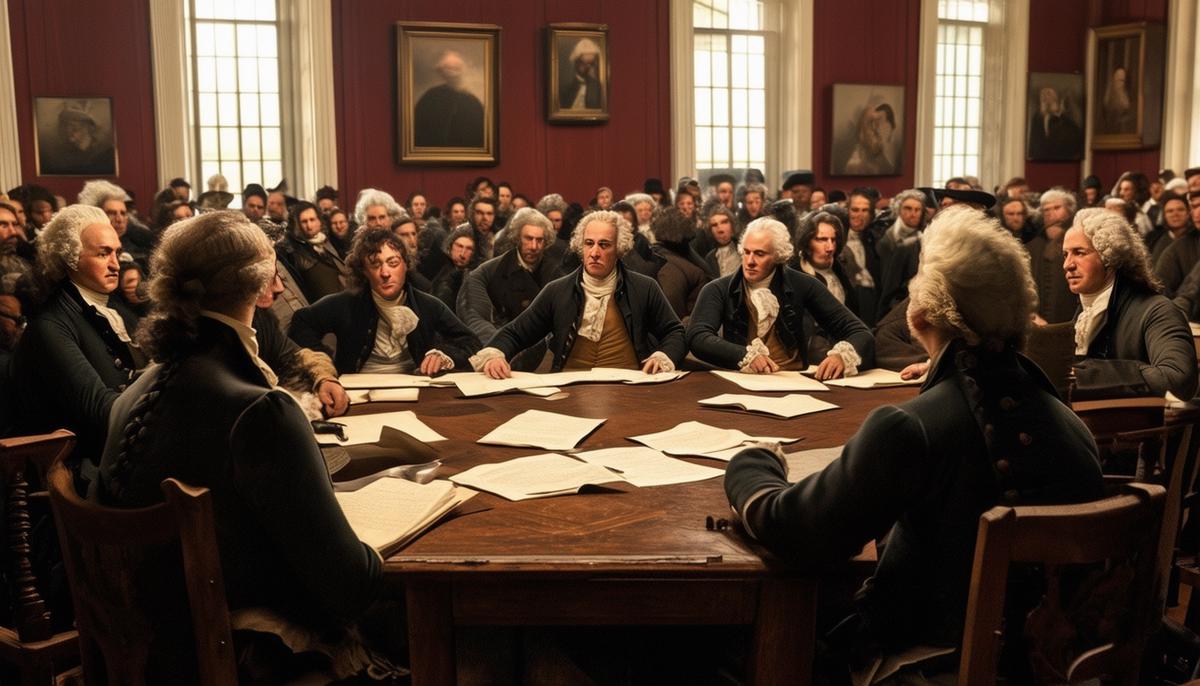
Bill of Rights in Crisis
Antifederalists insisted on a Bill of Rights to shield against government overreach. They argued certain fundamental rights should always belong to the people and needed explicit statement. They worried the supremacy clause, necessary and proper clause, and general welfare clause would allow...
Read more →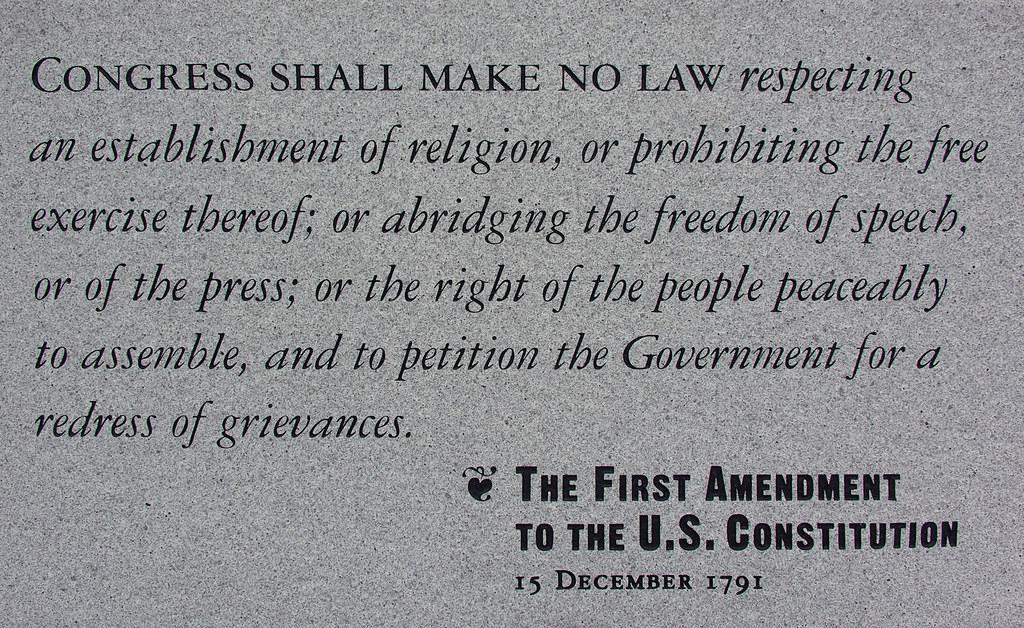
Religious Liberty in the Bill of Rights
The Founding Fathers wanted to keep government out of religion and vice versa. The First Amendment states: "Congress shall make no law respecting an establishment of religion, or prohibiting the free exercise thereof." Key Supreme Court decisions on religious liberty include: Reynolds v. United...
Read more →
Common Law's Influence on Founders
William Blackstone's Commentaries on the Laws of England became the playbook for America's Founders. It broke down legal chaos into four categories: Rights of persons Rights of things Private wrongs (torts) Public wrongs (crimes) It preached that life, liberty, and property were pillars of a...
Read more →
Richard Henry Lee's Legacy
Richard Henry Lee was born on January 20, 1732, at Stratford Hall in Westmoreland County, Virginia. He was the fourth of Thomas and Hannah Lee's eight surviving children. Lee received his early education from a family tutor, Alexander White, at Stratford Hall. In 1748, Lee embarked on a journey to...
Read more →
Bill of Rights in Education
The Supreme Court has established key precedents governing student rights in schools: Tinker v. Des Moines (1969) : Students wearing black armbands to protest the Vietnam War. The Court ruled that students retain constitutional rights in school, and expression can't be suppressed unless it causes...
Read more →
Hamilton's Economic Policies
Alexander Hamilton rose from uncertain beginnings in the West Indies to shape America's financial future. As the first Secretary of the Treasury, he envisioned a United States of bustling cities, factories, and thriving commerce. Hamilton believed self-interest drove industry and commerce, and the...
Read more →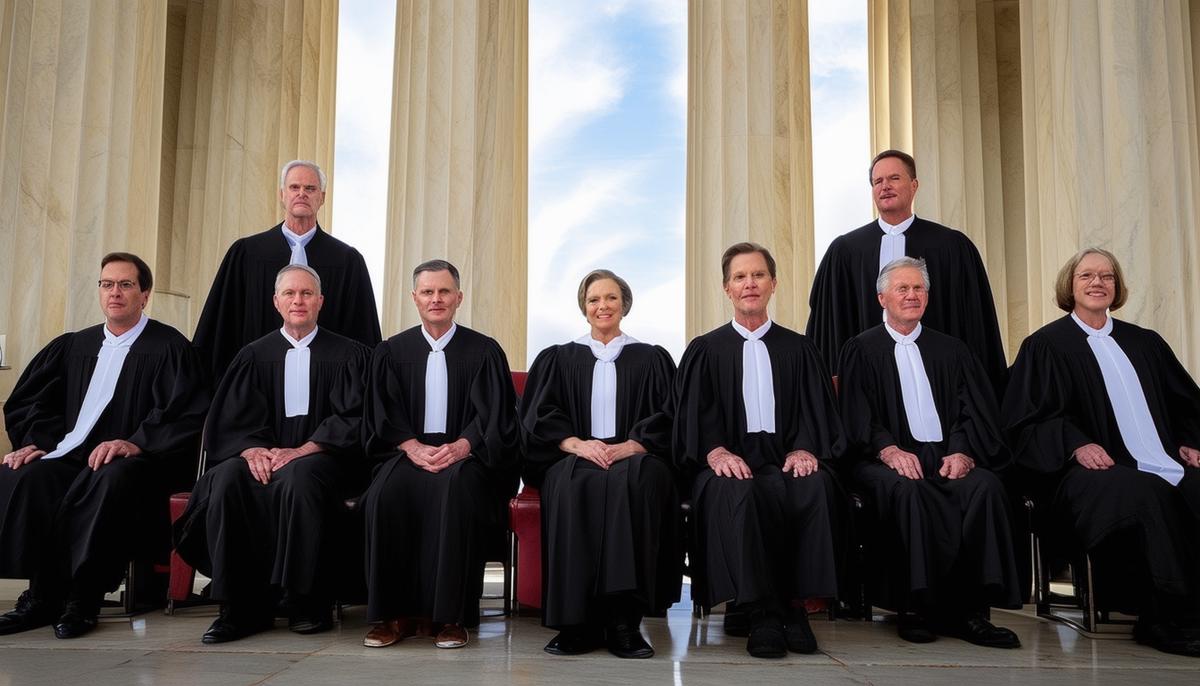
Second Amendment Challenges
District of Columbia v. Heller in 2008 declared the right to keep and bear arms an individual right. Justice Scalia's majority opinion stated the Second Amendment protects an individual's right to possess a firearm for lawful purposes like self-defense at home. McDonald v. City of Chicago in 2010...
Read more →
Eleventh Amendment and State Immunity
The Eleventh Amendment emerged from debates during the Constitution's ratification. Anti-Federalists worried Article III would allow federal courts to hear disputes involving states and citizens from other states or foreign nations. Federalists tried to allay these concerns, but skepticism...
Read more →
Bill of Rights in Modern Law
The Bill of Rights stemmed from centuries of ideas like the Magna Carta and the Virginia Declaration of Rights . When delegates drafted the U.S. Constitution in 1787, it lacked a Bill of Rights. Anti-Federalists demanded guarantees against federal overreach, while Federalists thought the...
Read more →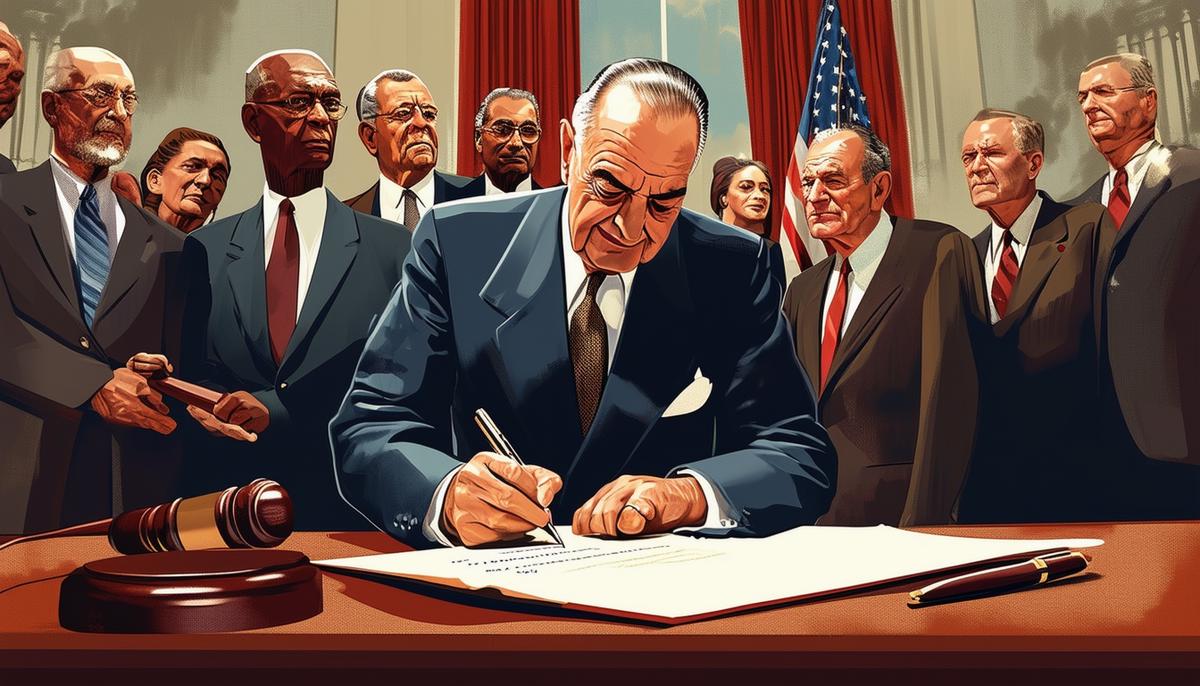
24th Amendment and Poll Taxes
Poll taxes originated in the colonial era as a simple head tax. In the late 1800s, Southern states used them as a voter suppression tool, despite the Fifteenth Amendment. States implemented poll taxes along with literacy tests and felony disenfranchisement to restrict African Americans and poor...
Read more →
Ninth Amendment and Natural Rights
Post-Revolutionary America saw Federalists and Anti-Federalists clash over the new Constitution. Anti-Federalists demanded a Bill of Rights to prevent government overreach. James Madison proposed a proto-Ninth Amendment to address concerns without restricting freedoms. The Select Committee refined...
Read more →
Fourth Amendment Privacy
The Fourth Amendment emerged from 18th-century British and colonial practices. General warrants in Britain and writs of assistance in the colonies allowed unreasonable searches, spurring the Founding Fathers to protect citizens' homes and property from government intrusion. Ratified in 1791, the...
Read more →