
US Constitution.co
Articles by Javier Ruiz
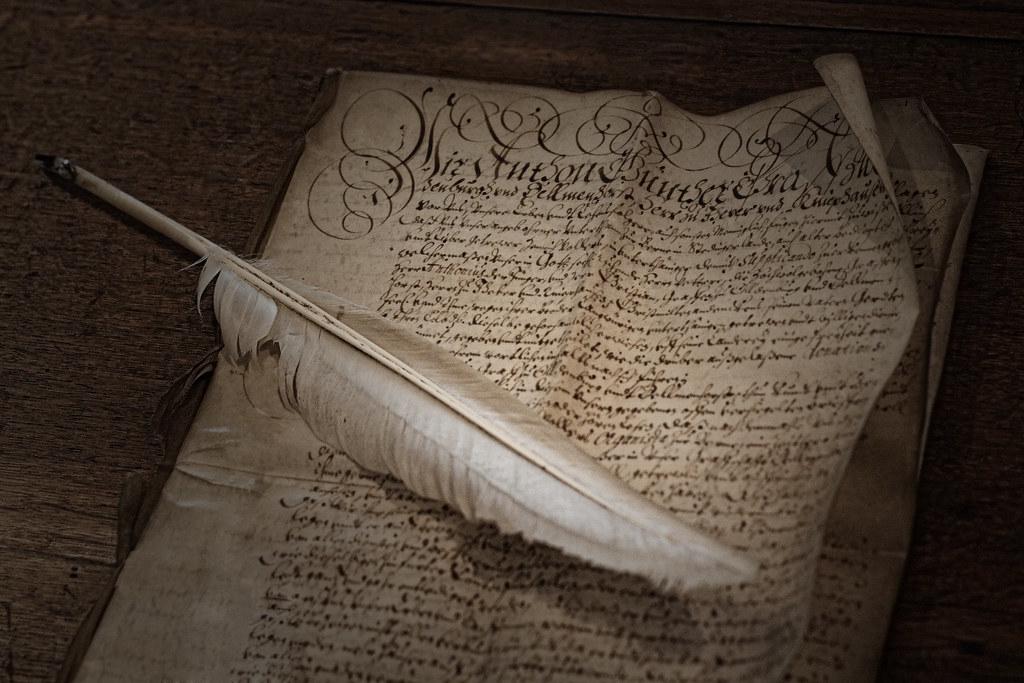
Adoption of Bill of Rights
The Framers' main goal at the 1787 Philadelphia convention was crafting the Constitution, not adding individual rights guarantees. Charles Pinckney proposed ideas like "liberty of the press" and preventing soldier quartering in homes, but these weren't approved by the Committee on Detail. On...
Read more →
Twelfth Amendment and Electoral College
The Constitutional Convention faced a challenge in deciding how to elect a president. Some favored Congressional selection, others a popular vote. The Committee on Unfinished Parts proposed the Electoral College as a compromise. States received electors equal to their total Senators and...
Read more →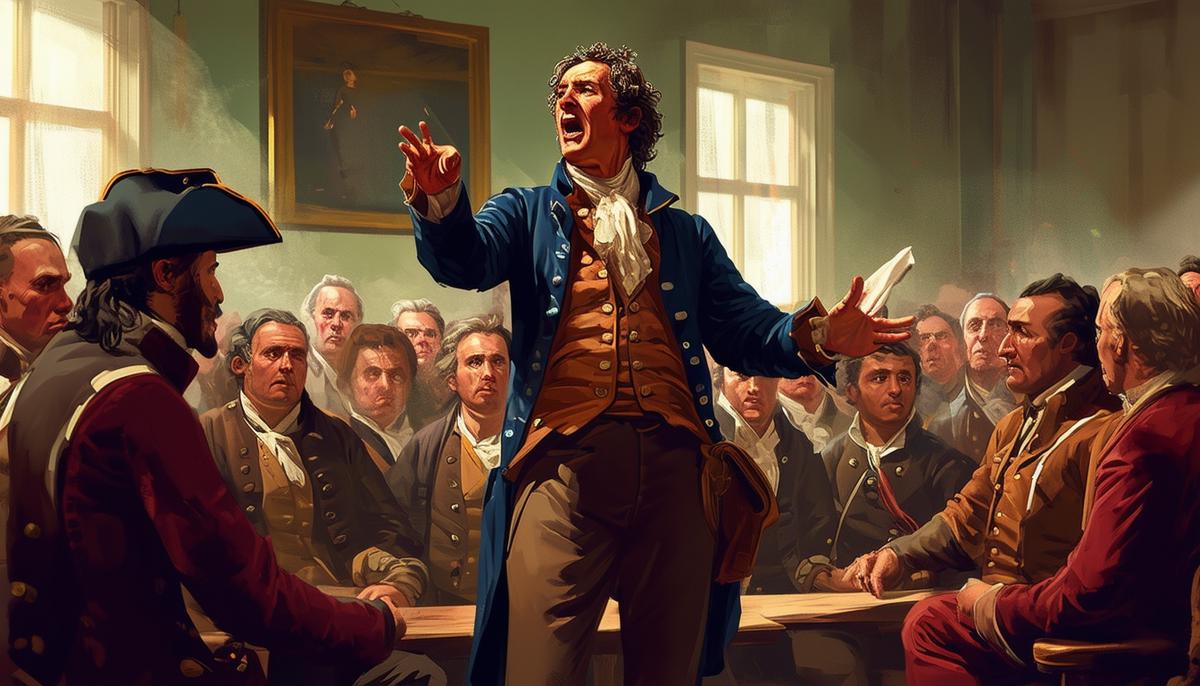
Patrick Henry vs Centralized Government
Patrick Henry was born in 1736 to John and Sarah Winston Henry in Hanover County, Virginia. His father was a Scottish immigrant and academic, while his mother came from a prominent Virginia family. Young Patrick struggled academically and failed at various business ventures. Henry turned to law out...
Read more →
Hamilton's National Bank
Hamilton's grasp of finance stemmed from real-world necessity. He grasped commerce's intricacies while working as General Washington's aide-de-camp during the Revolutionary War. In 1790, as Secretary of the Treasury, Hamilton presented his vision to Congress. The U.S. was in post-war debt with...
Read more →
Impact of Virginia Declaration of Rights
George Mason's Virginia Declaration of Rights drew from John Locke's social contract theory and the 1689 English Bill of Rights . During the American Revolution, it aimed to codify that government power should come from the governed. Mason's declaration stated all men are inherently free and equal,...
Read more →
Second Amendment Rights
The Second Amendment was crafted in the late 1780s against a backdrop of revolution and anti-tyranny sentiment. The founders tied the right to bear arms to militia service and community defense. The Pennsylvania Constitution melded the right to bear arms with the duty of defense. James Madison's...
Read more →
Impact of 14th Amendment on Equal Protection
After the Civil War, the Thirteenth Amendment abolished slavery, but former slaves' rights remained unclear. The Fourteenth Amendment promised citizenship to "all persons born or naturalized in the United States." Congressman John A. Bingham envisioned this amendment as a safeguard against states...
Read more →
Relevance of the Third Amendment
The Third Amendment in the Bill of Rights stemmed from colonial-era conflicts with British rule. The Quartering Acts forced American colonists to house British soldiers, even during peacetime. This practice was deeply unpopular, as colonists preferred local militias to professional soldiers. The...
Read more →
Founders' Vision for America
The Founding Fathers prioritized freedom from arbitrary rule and self-governance . Their experiences with religious persecution shaped their views. John Jay's grandfather, a Huguenot, returned from a voyage to find his family gone and homes occupied by soldiers. Many fled from fines, imprisonment,...
Read more →
Eighth Amendment and Excessive Fines
The Eighth Amendment originally only applied to the federal government. States had more leeway until the 14th Amendment came along, saying states can't mess with citizens' privileges without due process. In 2015, Indiana tried to take Timbs' $42,000 Land Rover after he sold some heroin. Timbs...
Read more →
Lesser-Known Founding Fathers
Roger Sherman signed all three of the nation's foundational documents. This Calvinist was a key figure in the Continental Congress and helped draft the Declaration of Independence. He was part of the committee framing the Articles of Confederation and played a crucial role in the Constitutional...
Read more →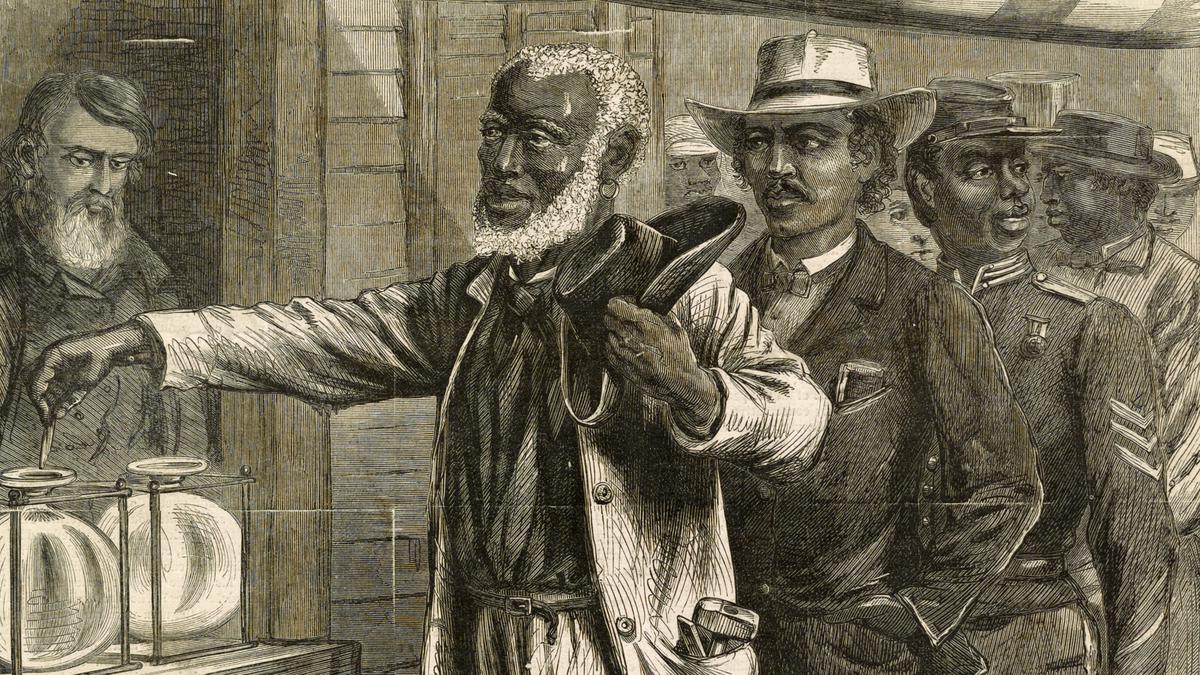
Progressive Era Amendments Impact
The 16th Amendment, ratified in 1913, revolutionized how the U.S. government collected revenue. Before this, tariffs were the main source of federal income, burdening those who earned the least by taxing needed goods. The income tax, based on individuals' earnings, ensured that those who made more...
Read more →
24th Amendment Voting Rights
The Framers left voter qualifications up to the states. Many states initially limited voting to property owners, then introduced poll taxes. Poll taxes expanded the voter pool at first, but most states abandoned them by the mid-19th century. After the Fifteenth Amendment, Southern states...
Read more →
Fifth Amendment and Eminent Domain
The Fifth Amendment's Takings Clause stems from common law and natural equity principles. Justice Joseph Story described it as universal law in his "Commentaries on the Constitution of the United States," arguing that without this principle, other rights would be worthless. The government's power...
Read more →
Debates Over Bill of Rights
The publication of the Constitution draft in 1787 sparked an ideological showdown between Federalists and Anti-Federalists. Federalists defended the Constitution, believing a Bill of Rights was unnecessary as the document itself limited government powers. Alexander Hamilton argued in Federalist No....
Read more →
Thirteenth Amendment's Civil Rights Impact
The Civil War was a nationwide struggle over slavery. In 1863, Lincoln issued the Emancipation Proclamation , but it didn't free all slaves. Congress proposed the Thirteenth Amendment in January 1865. The Senate passed it in April 1864, but the House struggled until Lincoln used his influence. On...
Read more →
Founders' Intent on Bill of Rights
James Madison initially doubted the need for a Bill of Rights, thinking the Constitution already limited government power sufficiently. He worried listing specific rights might imply the government could intrude on unlisted areas. However, Madison became pragmatic when Anti-Federalists threatened...
Read more →
Bill of Rights in Digital Age
Digital rights have become an extension of human rights, encompassing freedom of expression, privacy, and access to online information. The Electronic Frontier Foundation (EFF) has been a vocal advocate in the internet age, alerting the public to fundamental rights violations in cyberspace. These...
Read more →
Bill of Rights and Property Rights
Alexander Hamilton and James Madison viewed property rights as fundamental to individual freedom and a key purpose of government. This shaped the Constitution's Fifth Amendment takings clause, which limits government power by requiring just compensation for private property taken for public use....
Read more →
Classical Influence on Founding Fathers
Alexander Hamilton entered King's College in 1773 with extensive knowledge of Greek and Latin grammar. He could read Cicero and Vergil's Aeneid in Latin and translate John's Gospel from Greek to Latin. Many Founding Fathers had similar classical educations. Thomas Jefferson's early training in...
Read more →