
US Constitution.co
Articles by Javier Ruiz
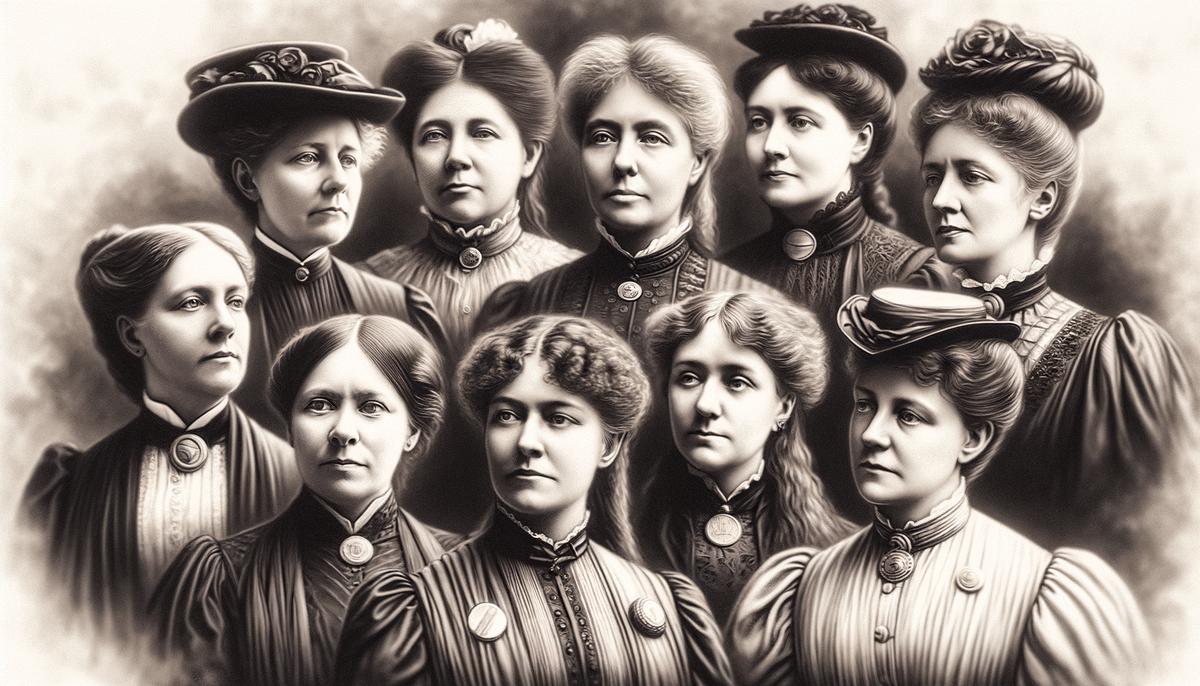
19th Amendment and Women's Suffrage
Elizabeth Cady Stanton and Lucretia Mott organized the Seneca Falls Convention in 1848. They presented the Declaration of Sentiments , demanding equal rights including voting rights. Most attendees were abolitionists frustrated that their own rights were being ignored while fighting for others'...
Read more →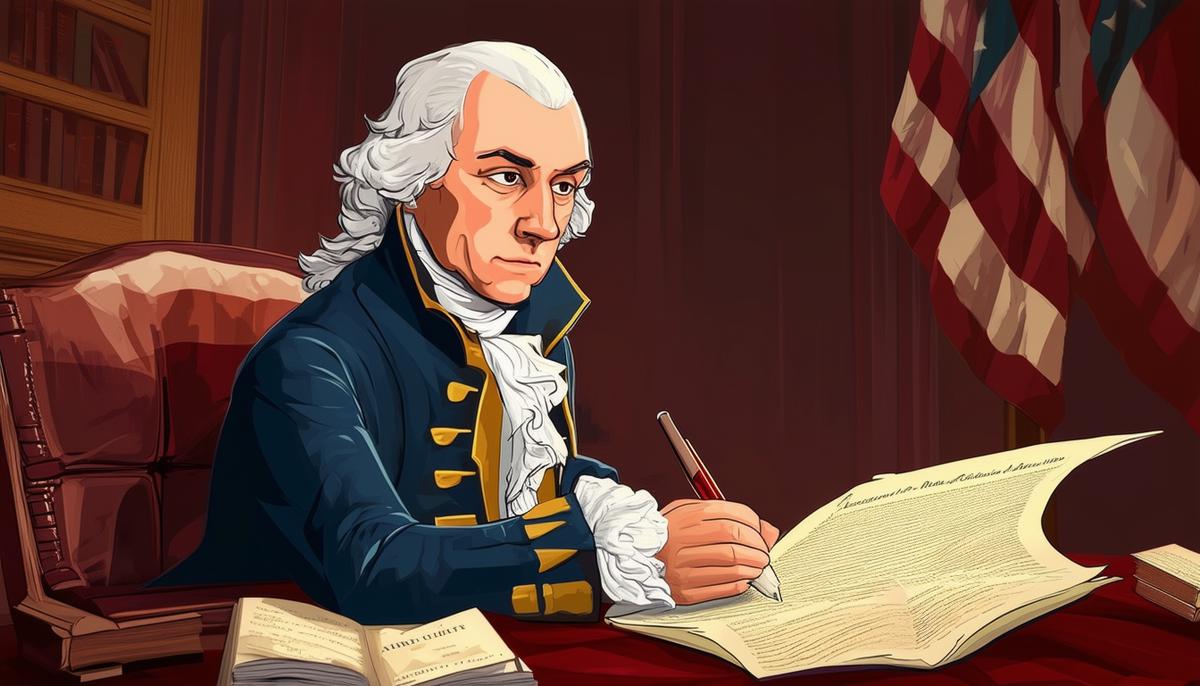
Challenges to Bill of Rights
James Madison wrote the Bill of Rights in 1789 to address concerns about federal power under the new U.S. Constitution. These first 10 amendments were added in 1791 to protect certain freedoms from government interference. For over a century, these amendments had limited impact. The Supreme Court...
Read more →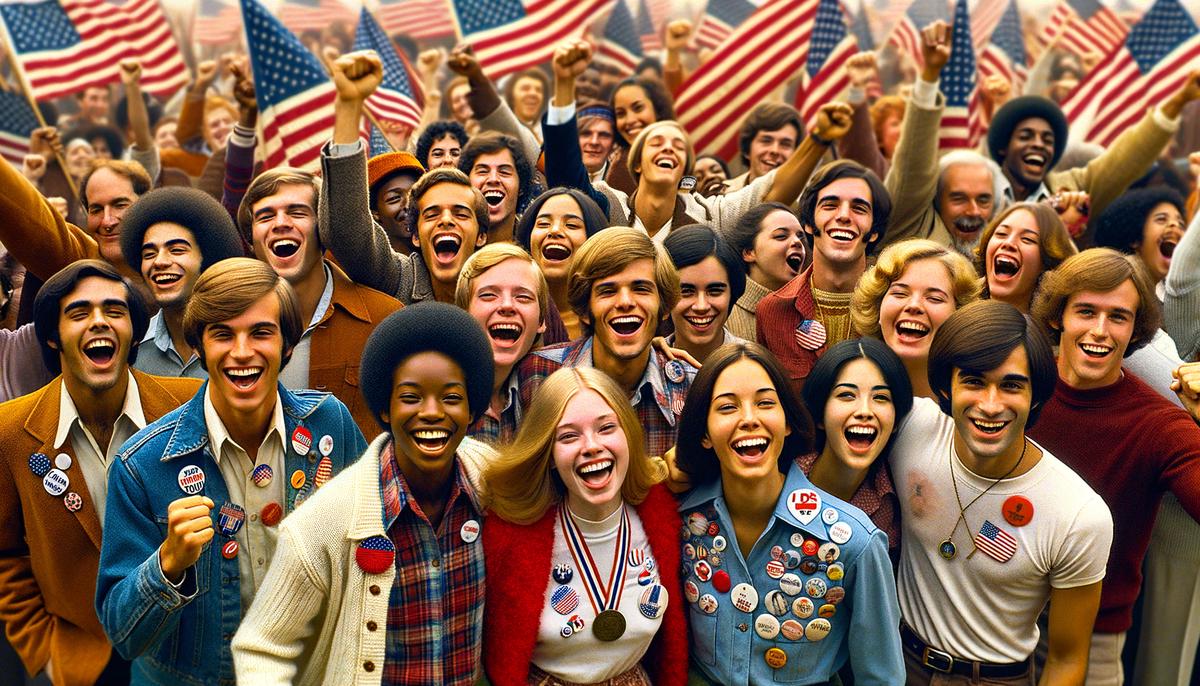
The 26th Amendment and Voting Age
World War II sparked debate when the draft age was lowered to 18 while voting age remained 21. The slogan "old enough to fight, old enough to vote" emerged. Vietnam War intensified this issue, with anti-war protests led by students echoing the slogan. Oregon v. Mitchell (1970) ruled Congress could...
Read more →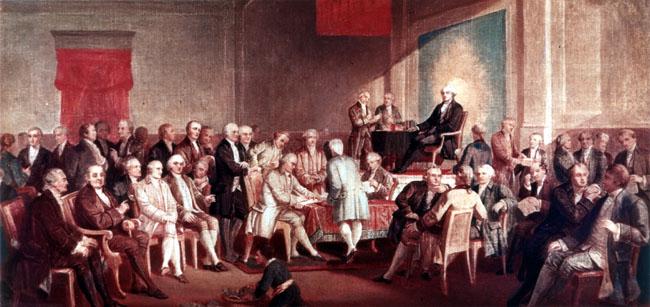
Founders' View on Federalism
The Articles of Confederation were the first attempt at creating a unified government for the new United States. They lacked an Executive or Judicial branch. Congress could declare war and sign treaties but couldn't tax or enforce them. States had their own currencies and prioritized border...
Read more →
Enlightenment's Impact on Founders
The Founding Fathers drew heavily from Enlightenment philosophers like John Locke , Montesquieu , and Rousseau . Locke's concept of natural rights - life, liberty, and property - influenced Thomas Jefferson's "life, liberty, and the pursuit of happiness" in the Declaration of Independence....
Read more →
Fifteenth Amendment Voting Rights
The post-Civil War era was chaotic. Reconstruction aimed to address the issues of a fractured nation. Black voting rights were a central concern . Congress debated three versions of the Fifteenth Amendment. They settled on prohibiting voting denial based on race, color, or past slavery. On February...
Read more →
Enlightenment's Impact on Bill of Rights
John Locke's ideas profoundly shaped American legal principles, especially the Bill of Rights. Locke argued for inherent natural rights - life, liberty, and property . This forms the core of the First Amendment's freedoms of speech, religion, and press. Locke's belief in government by consent...
Read more →
Eighteenth Amendment and Prohibition
The Eighteenth Amendment emerged from decades of temperance movements. Early Americans drank excessively, prompting Protestant Christians to form temperance groups. The Anti-Saloon League , founded in 1893, became a powerful force in the movement. By 1916, Prohibition was a hot topic. The...
Read more →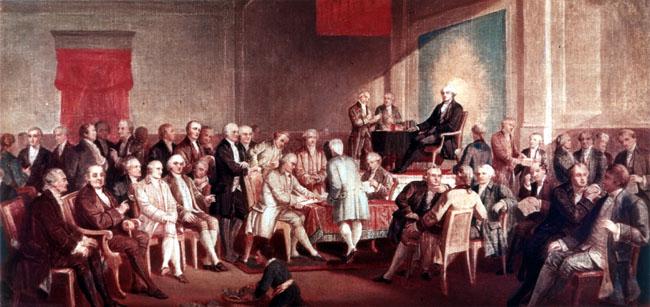
Roger Sherman and the Great Compromise
The Constitutional Convention in 1787 aimed to resolve issues under the weak Articles of Confederation. States clashed over congressional representation and federal power. The Articles couldn't levy taxes or regulate interstate commerce, creating a toothless central government . The main dispute...
Read more →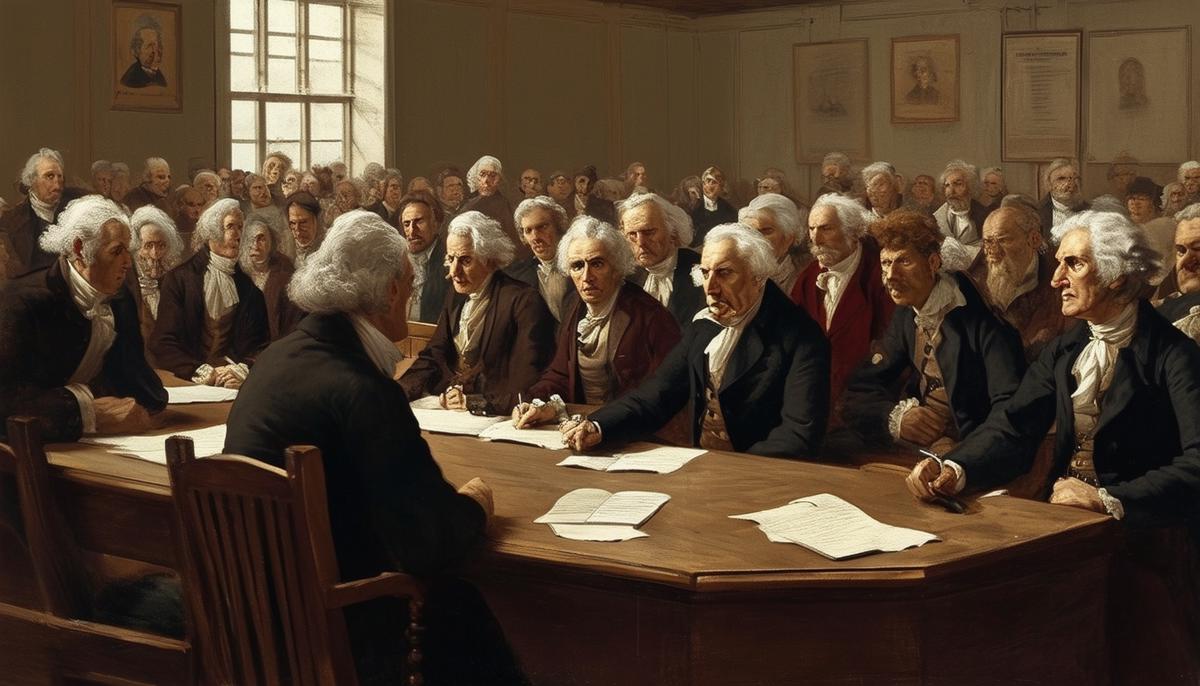
Seventh Amendment in Civil Trials
Colonial America was rife with rebellion against British laws, especially taxes. The jury system offered a taste of power to the colonists. By the late 1700s, their desire for independence was strong. In England, juries had decided civil cases since the Middle Ages. When Parliament imposed laws on...
Read more →
Bill of Rights Influence Globally
The Bill of Rights emerged from a debate between Federalists and Anti-Federalists. Federalists wanted a strong central government, while Anti-Federalists demanded explicit protections for individual liberties. Two key influences on the Bill of Rights were: The Magna Carta: Introduced the concept...
Read more →
Thirteenth Amendment and Slavery
The Thirteenth Amendment abolished slavery in the United States: "Neither slavery nor involuntary servitude, except as a punishment for crime whereof the party shall have been duly convicted, shall exist within the United States, or any place subject to their jurisdiction." In 1863, President...
Read more →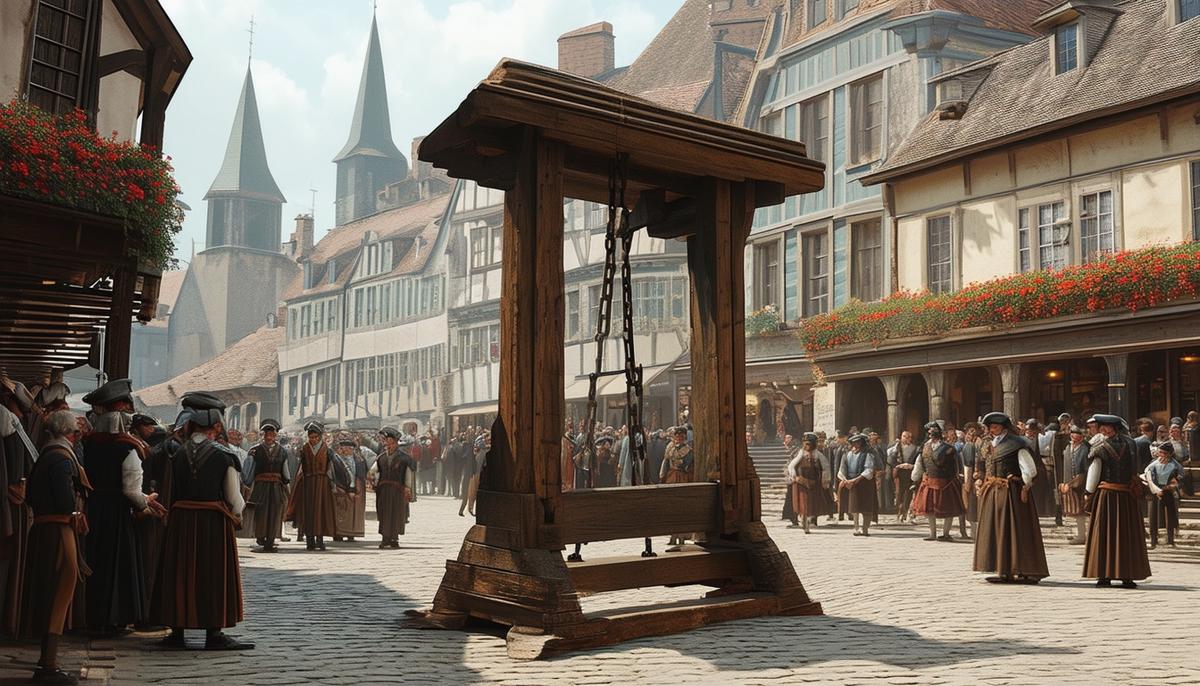
Eighth Amendment Debates
The Eighth Amendment stems from the 1689 English Bill of Rights, aiming to ban harsh punishments like drawing and quartering. The framers wanted to outlaw such medieval practices. During the First Congress, debates over "cruel and unusual punishment" were vague. Representative Livermore questioned...
Read more →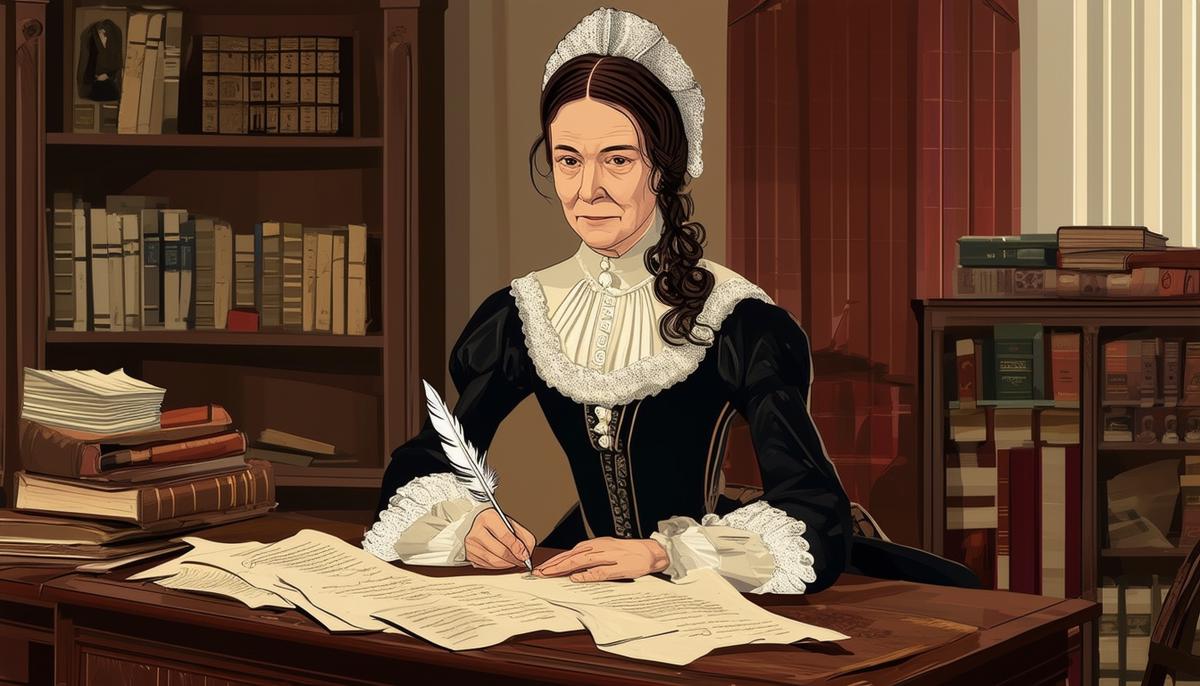
Mercy Otis Warren's Revolutionary Role
Mercy Otis Warren was born in Barnstable, Massachusetts, on September 14, 1728. Her father, James Otis, was an attorney and Massachusetts legislator. Her older brother, James Otis Jr., treated her as an intellectual equal. At nine, she joined her brothers' lessons with Reverend Johnathan Russell,...
Read more →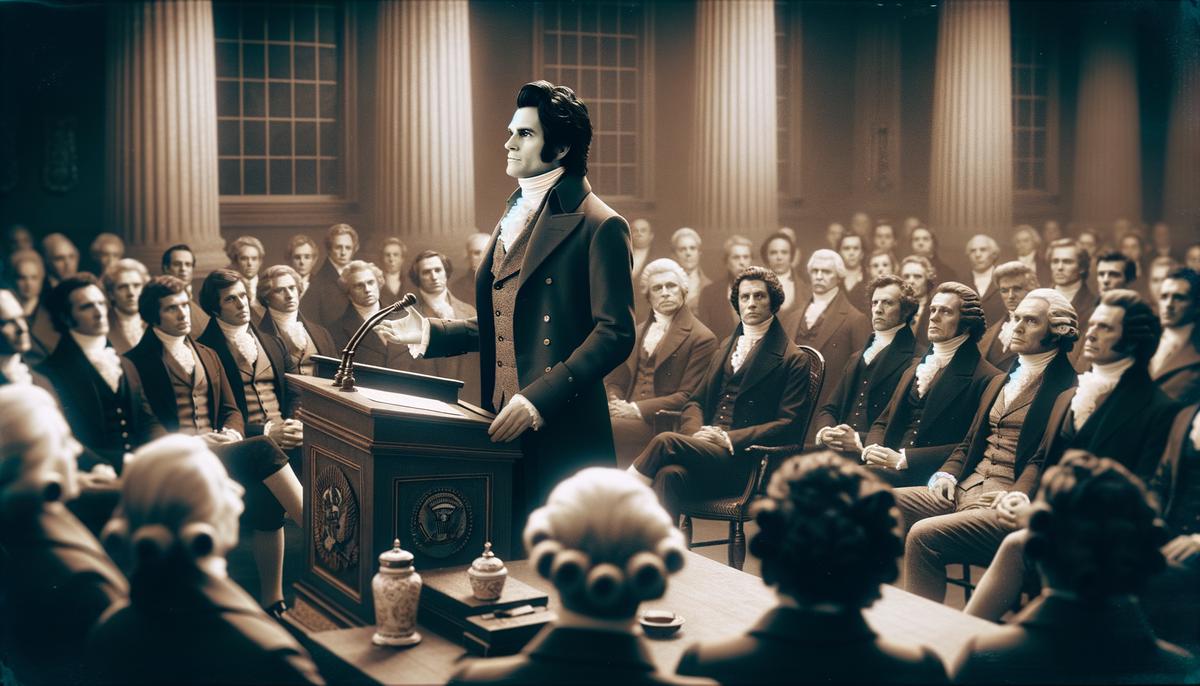
22nd Amendment Term Limits
The Twenty-second Amendment, adopted in 1951, limited presidential terms. The Framers initially debated lifetime appointments, but settled on the Electoral College system without term limits. George Washington set a two-term precedent , followed by most presidents for 150 years. Franklin D....
Read more →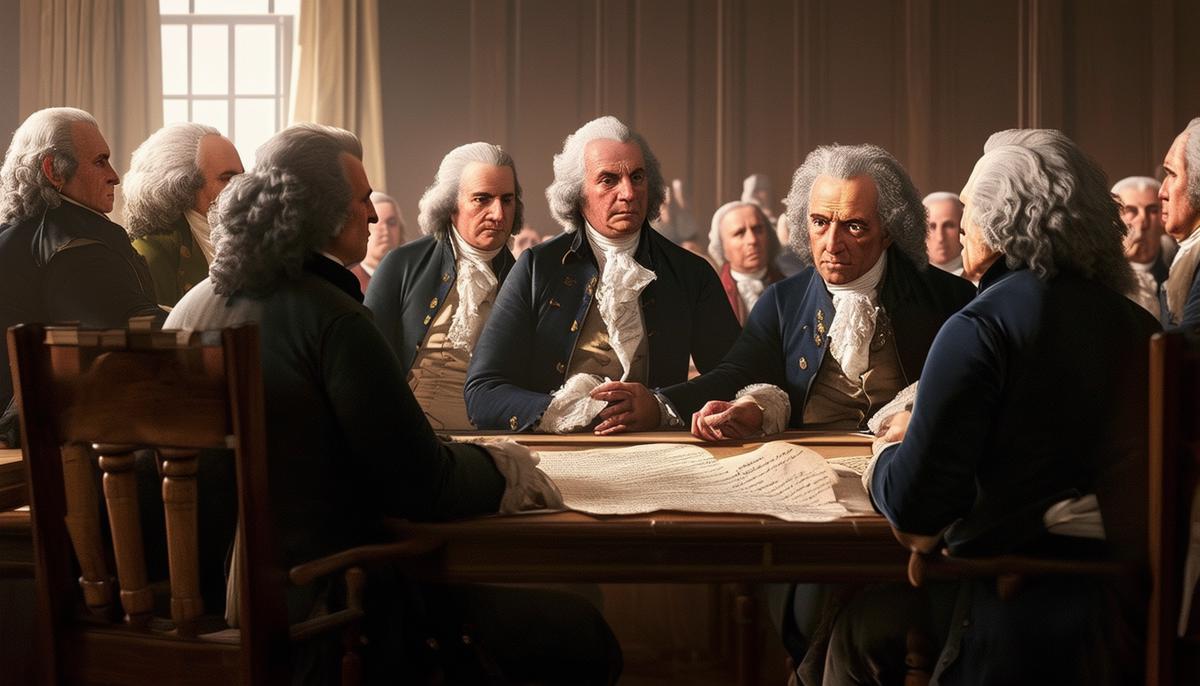
22nd Amendment History
The Framers of the Constitution weren't all on the same page about presidential term limits. Some wild ideas were tossed around in Philadelphia, 1787: Alexander Hamilton suggested a president serving for life, with Congress picking them. James Madison and Gouverneur Morris backed this lifetime...
Read more →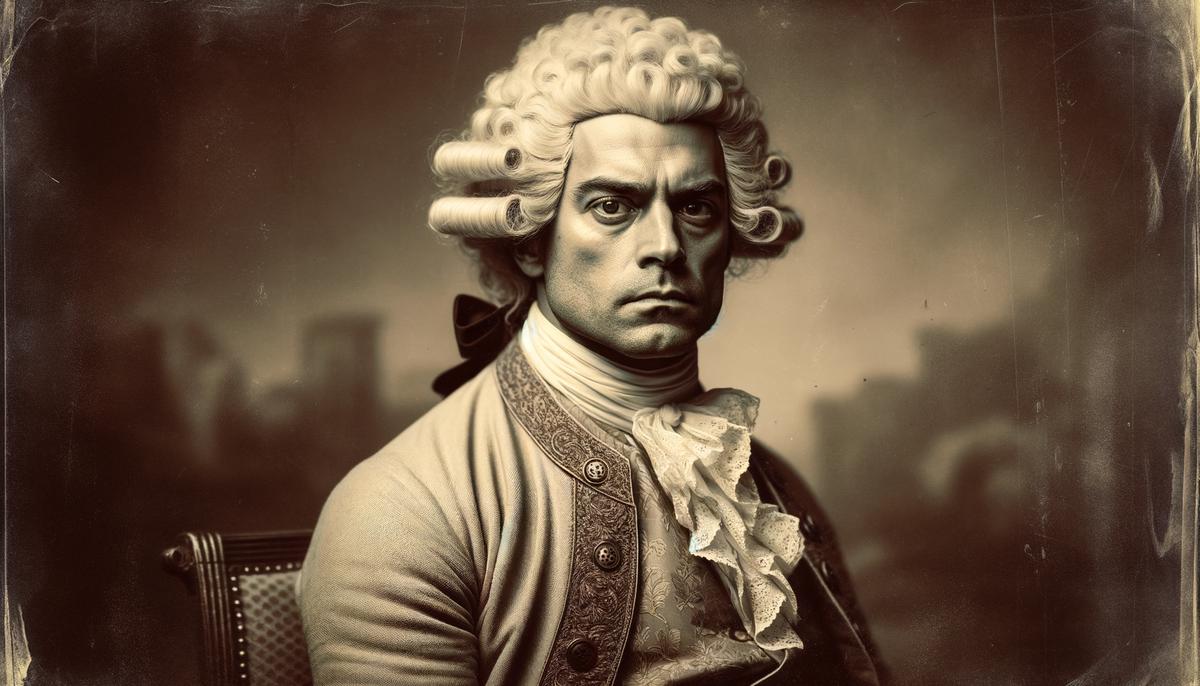
Hancock's Leadership in Congress
John Hancock's path to the Continental Congress began when he moved in with his wealthy uncle Thomas Hancock after his father's death. He attended Boston Latin School and Harvard, graduating in 1754. When his uncle died in 1765, Hancock inherited the business and became one of New England's...
Read more →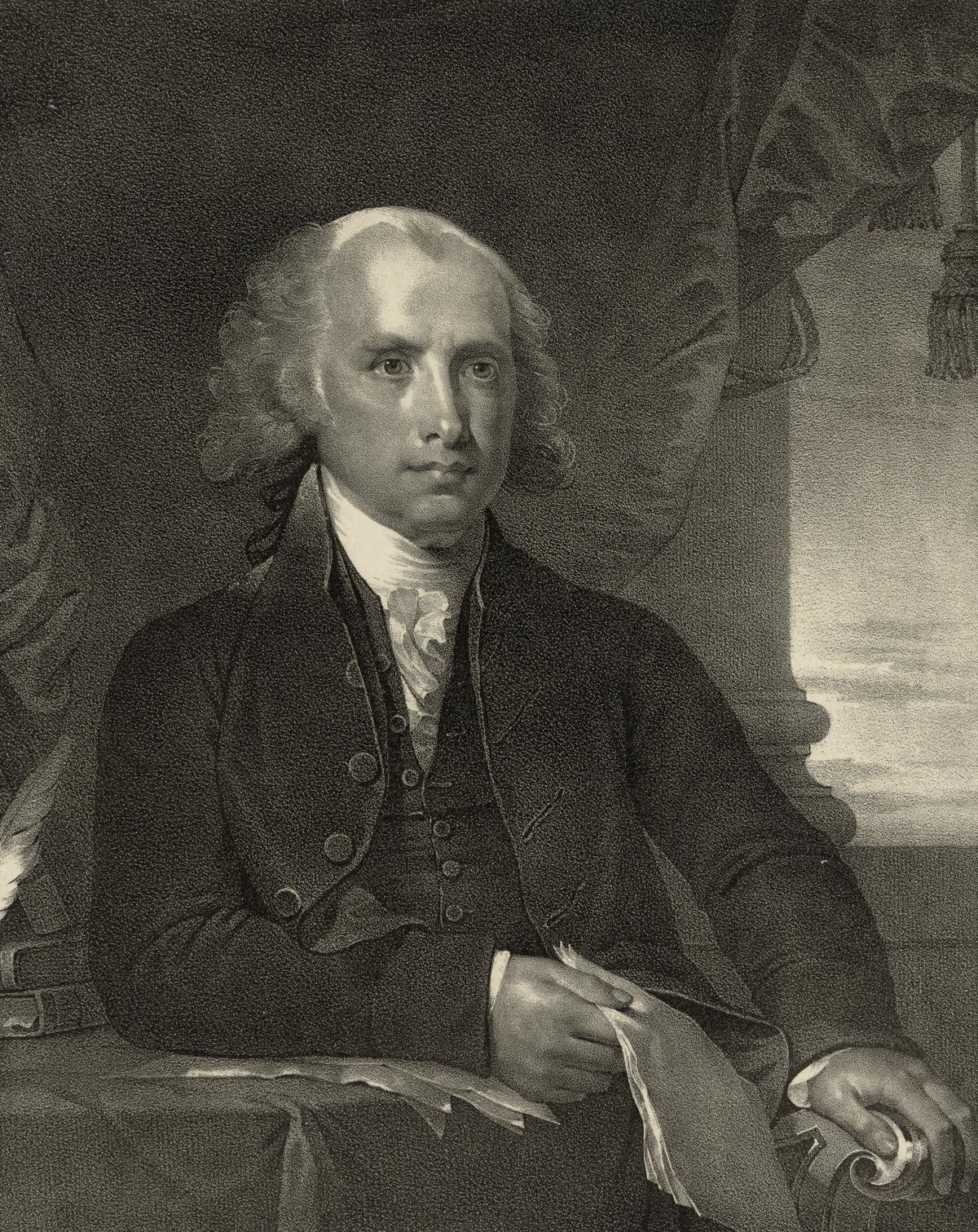
Bill of Rights and Minority Protection
The Bill of Rights emerged because the original U.S. Constitution lacked guarantees of individual liberties. James Madison championed this addition, understanding the critical importance of protecting individual rights . Madison faced opposition while crafting these protections. Conversations with...
Read more →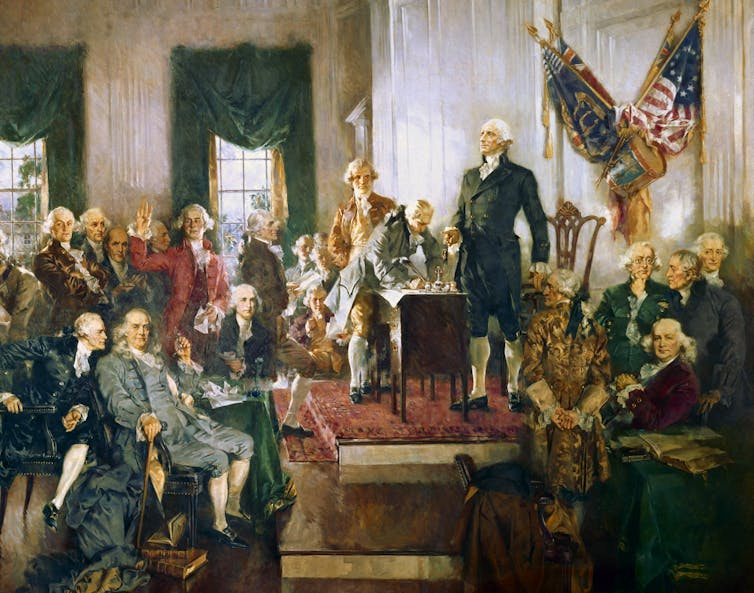
Founding Fathers and Natural Rights
John Locke, Thomas Hobbes, and Jean-Jacques Rousseau laid the groundwork for American political thought on natural rights. Locke argued individuals were born with "inalienable" rights to life, liberty, and property. He said humans have the right to protect their lives and shouldn't interfere with...
Read more →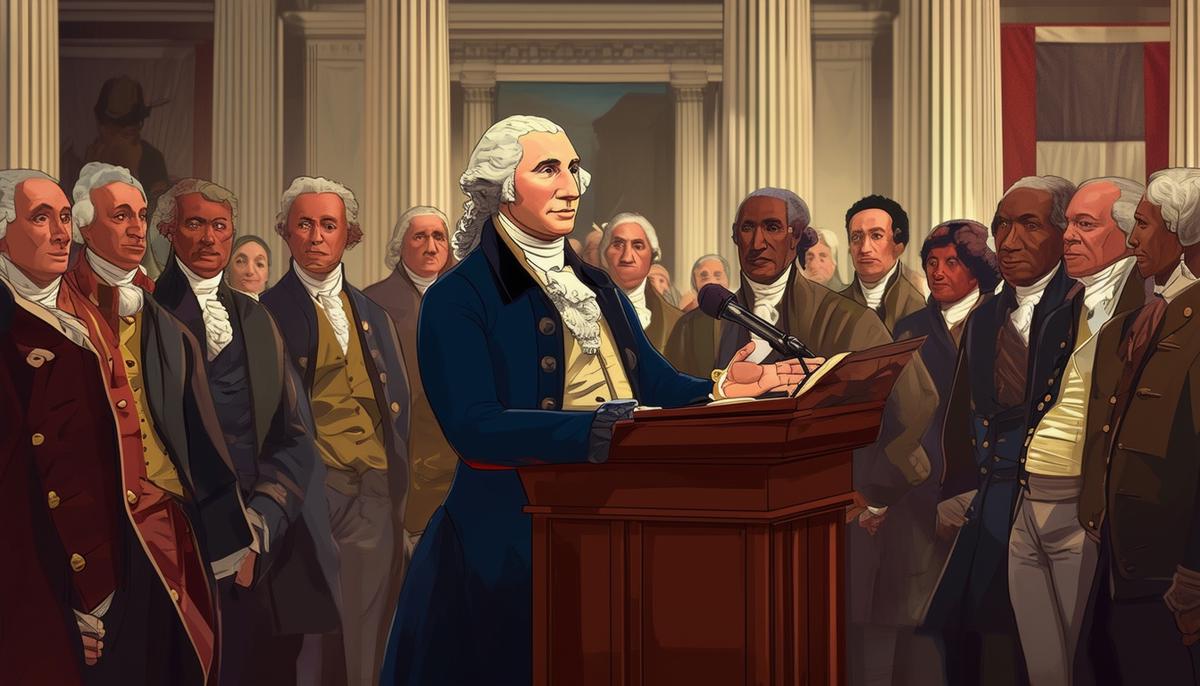
Washington's Farewell Address Principles
Washington's farewell address stressed the necessity of national unity for America's survival and prosperity. He urged Americans to see beyond regional and sectional lines, emphasizing that citizens and states had fought and triumphed together. Their shared struggles should overshadow minor...
Read more →