
US Constitution.co
Constitutional Topics
Interstate Custody and Full Faith
Interstate custody cases can be complex. It's crucial to adhere to the original state's custody order before moving across state lines. Courts don't look favorably on relocations that violate existing orders. For families planning a move, it's advisable to address potential issues in the original...
Read more →Supremacy Clause vs. State Laws
The Supremacy Clause, found in Article VI of the Constitution, establishes federal laws as the "supreme law of the land" when they conflict with state laws. This clause emerged from historical instances where states disregarded federal treaties and regulations. Cooper v. Aaron (1958) exemplified...
Read more →
Judicial Review and Marbury v. Madison
Judicial review in the United States begins with Chief Justice John Marshall in the early 1800s. The 1800 presidential election saw John Adams replaced by Thomas Jefferson, with the Federalists making last-minute "midnight appointments" before leaving office. William Marbury's undelivered judicial...
Read more →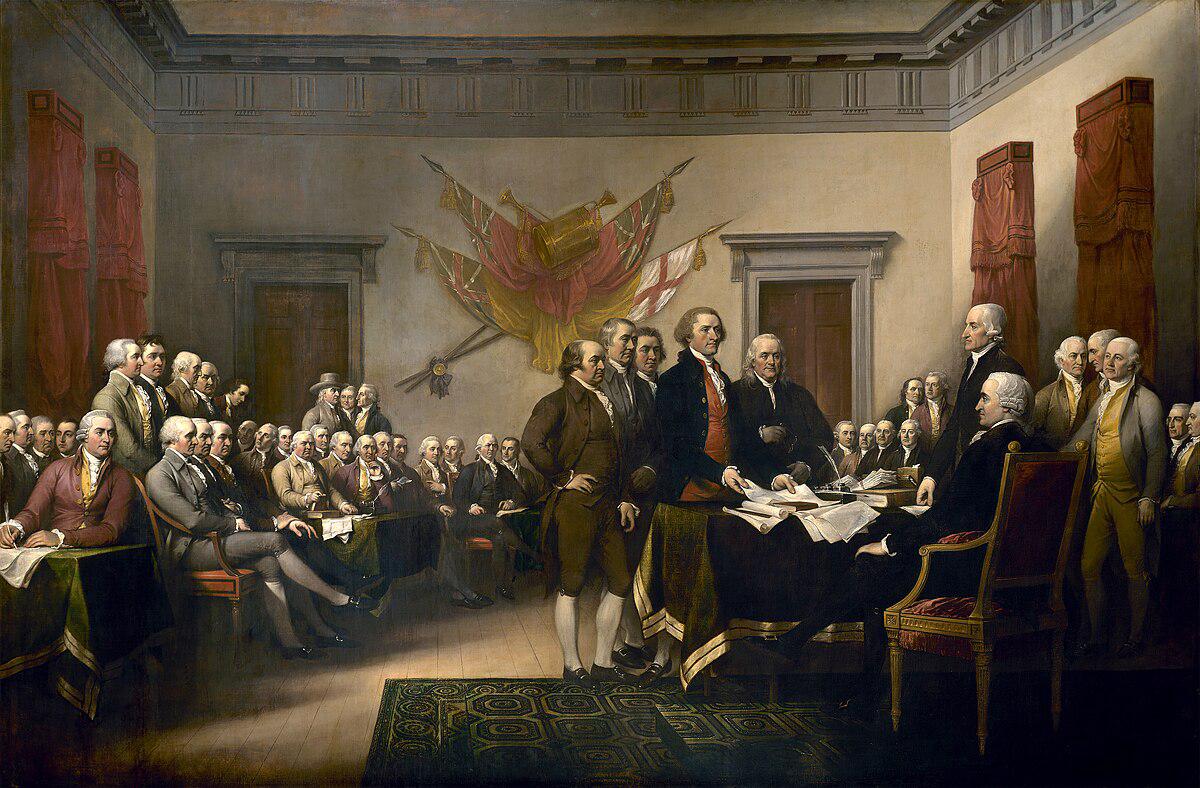
Necessary and Proper Clause
The Necessary and Proper Clause, found in Article I, Section 8 of the U.S. Constitution, has been a source of debate since its inception. Some call it the "elastic clause," allowing Congress to exercise its enumerated powers. During the Constitutional Convention, the Founding Fathers sought to...
Read more →
Constitution Limits Government
The government functions like a three-ring circus. The legislative branch juggles bills, cooking up policies that impact everyone. The executive branch, led by the President, acts as the ringmaster, ensuring laws are enforced. The judicial branch, ready with their gavels, calls out any monkey...
Read more →Second Amendment & Gun-Free Zones
The Second Amendment's history is complex and intertwined with America's racial past. Gun restrictions often had racist undertones, with Black individuals frequently disarmed while white citizens retained firearm privileges. The concept of a militia evolved from a collective defense idea to one...
Read more →First Amendment & Religious Symbols
Colonial America was like a melting pot of religious beliefs, each colony sporting its own unique mix of faiths. You had Quakers in Pennsylvania, Catholics in Maryland, and Puritans holding down the fort in Massachusetts. Anne Hutchinson went toe-to-toe with the Puritans in Massachusetts for...
Read more →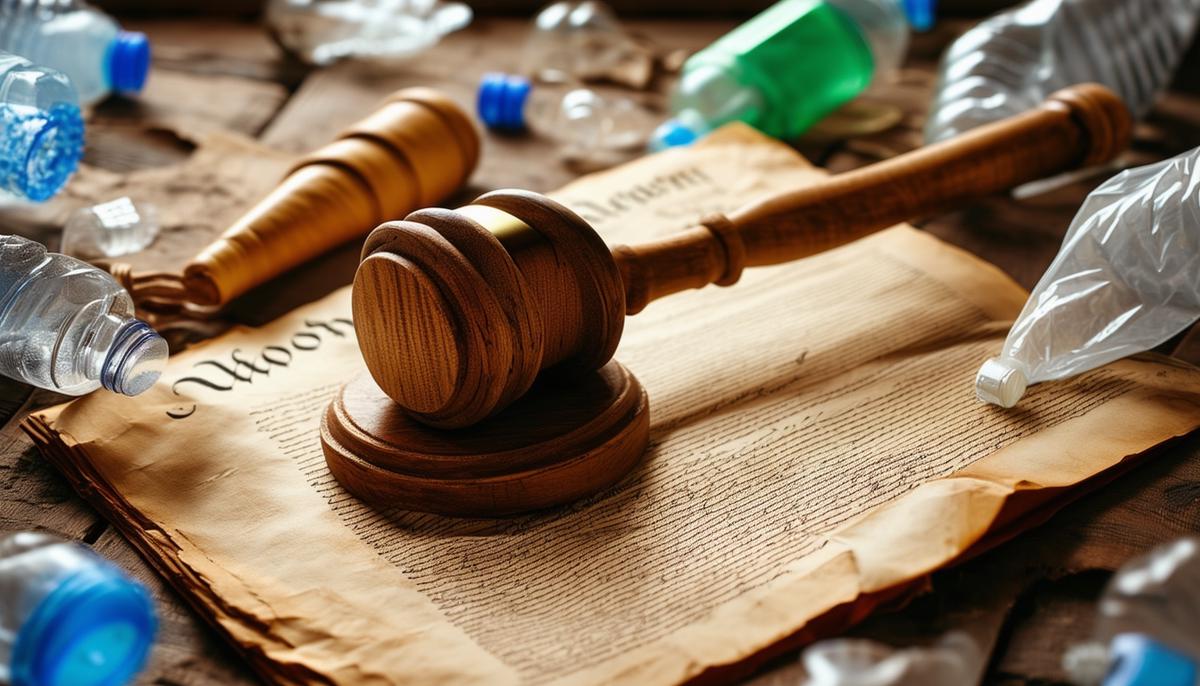
Constitutionality of Plastic Bans
The legal landscape around plastic bans remains contentious. In Oaxaca, Mexico, amendments to the Solid Waste Prevention and Management Law in 2019 banned non-recycled plastic bags. A manufacturer challenged this, claiming constitutional rights violations. The Supreme Court ruled environmental...
Read more →Ninth Amendment & Right to Die
The Anti-Federalists worried about Americans losing their rights, while Federalists favored a strong national government. James Madison, as a peacemaker, drafted the Bill of Rights. Recognizing the list of rights was incomplete, he included the Ninth Amendment as a safety net for unenumerated...
Read more →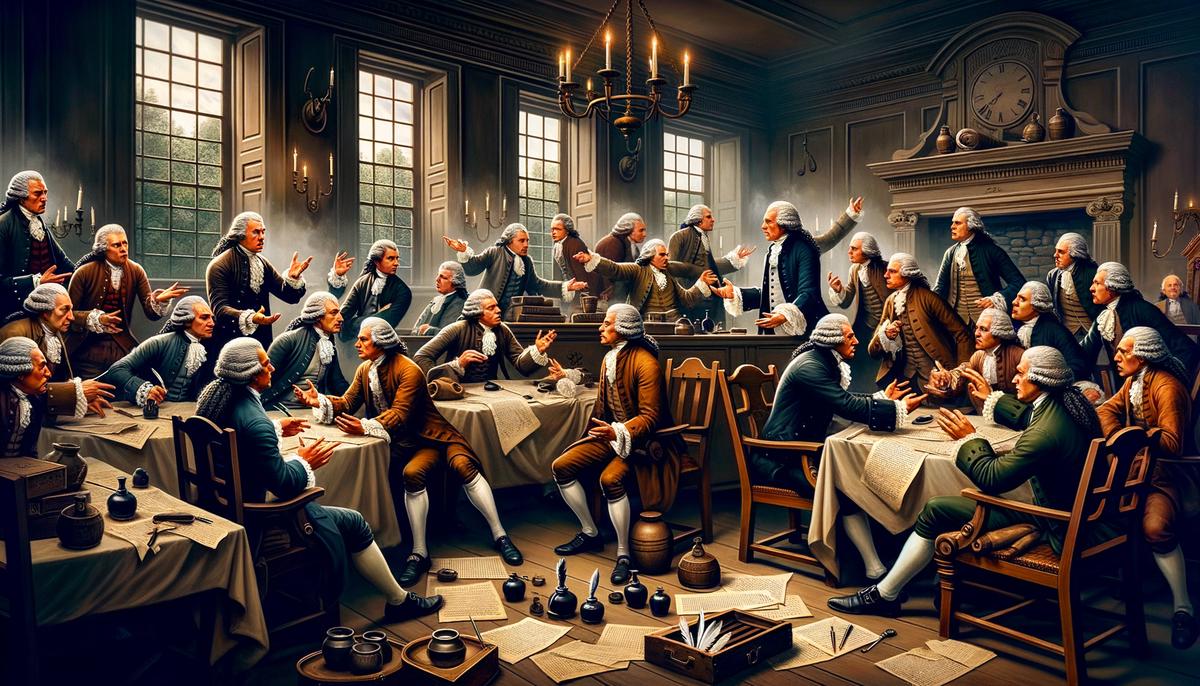
Wealth Tax Constitutionality
Taxation in the United States sparks debate. The Founding Fathers decided early on there should be rules about how taxation works. The debate was over direct versus indirect taxes. Direct taxes included property and head taxes, which had to be shared among states based on population. Indirect taxes...
Read more →
Tenth Amendment & Healthcare Control
The Tenth Amendment emerged after the Constitutional Convention to emphasize that powers not explicitly granted to the federal government belong to the states or the people. This amendment still influences the balance of power between federal and state governments, particularly in healthcare. The...
Read more →Eighth Amendment Bail Reform
The Eighth Amendment stems from the English Bill of Rights of 1689. The Colonists brought over the idea that punishment shouldn't be 'cruel and unusual.' At the Constitutional Convention, the founding fathers debated to create an amendment protecting citizens from excessive bail, unwarranted fines,...
Read more →
Sixth Amendment in High-Profile Trials
The Sixth Amendment sets out crucial rights for defendants in criminal trials. It guarantees the right to a speedy and public trial, which can be complicated in high-profile cases. The mix of media attention and public interest can make maintaining an impartial jury challenging. The amendment tries...
Read more →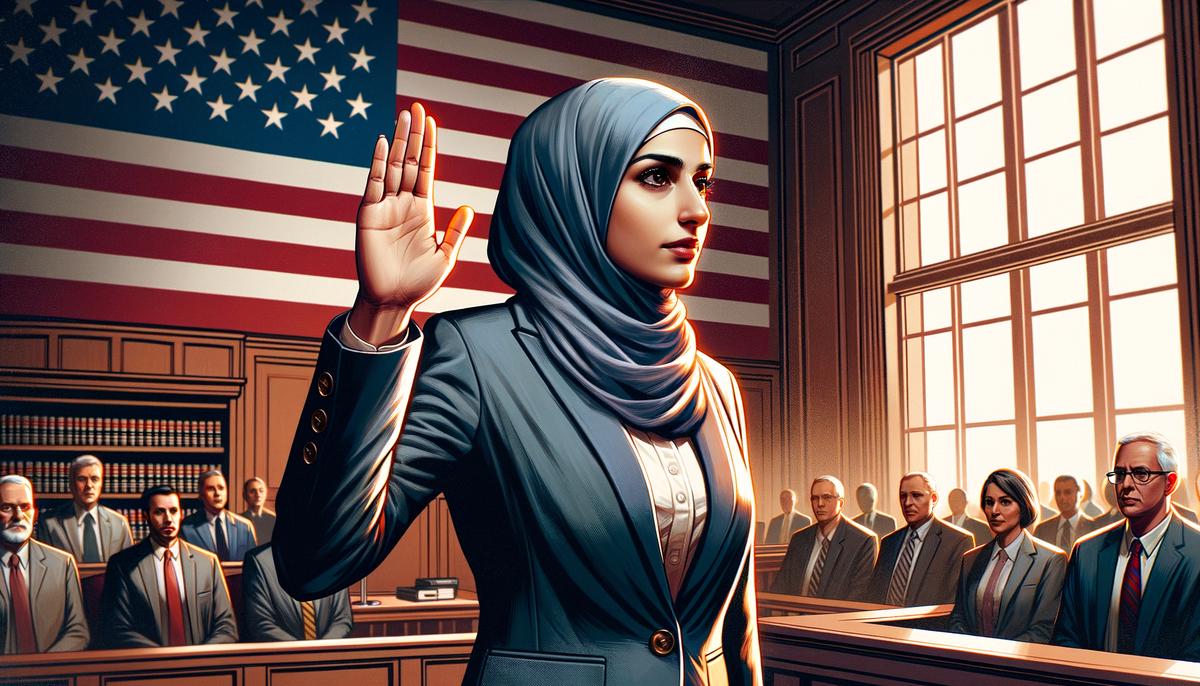
Fifth Amendment & Immunity Deals
The Fifth Amendment protects against self-incrimination, allowing individuals to refuse testifying against themselves in criminal cases. This protection extends to civil cases as well, though judges may draw negative inferences from silence in civil proceedings. To compel testimony, the government...
Read more →Fourth Amendment and Exclusionary Rule
The Fourth Amendment stems from the Founders' opposition to British search practices. It required warrants supported by probable cause before law enforcement could search personal property. Key developments in Fourth Amendment jurisprudence include: Weeks v. United States (1914): Introduced the...
Read more →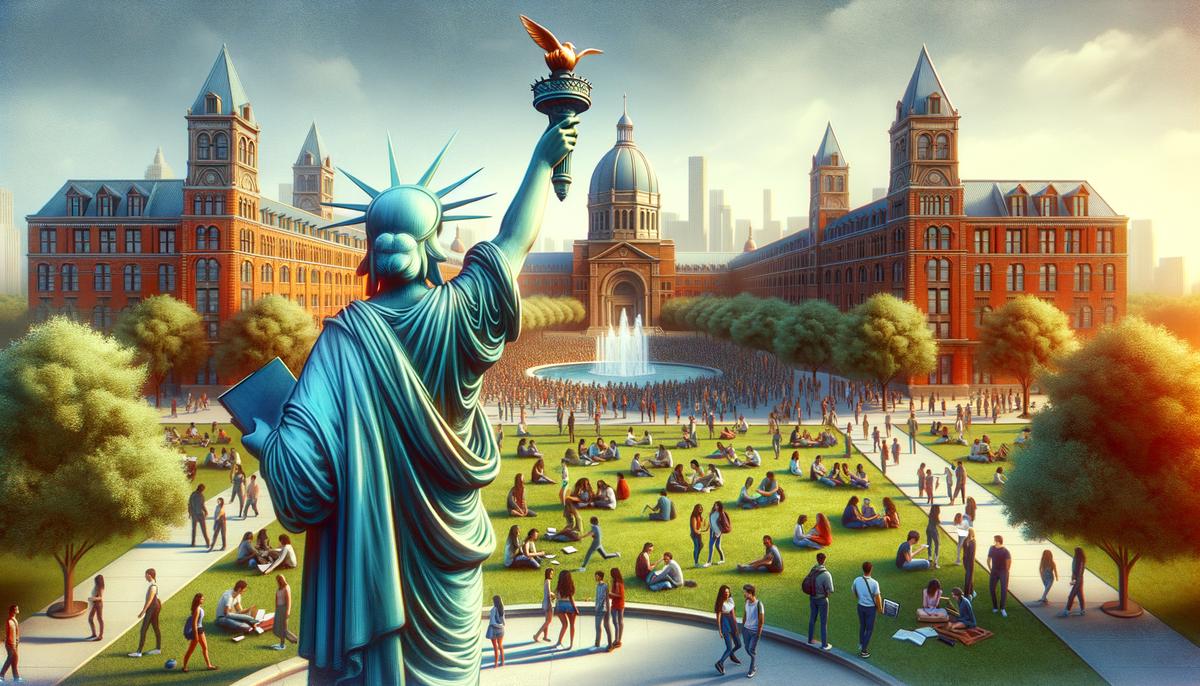
First Amendment and Student Free Speech
Campus speech issues are spreading across American universities. A recent survey found that 55% of students find it difficult to discuss the Israeli-Palestinian conflict on campus , the highest percentage ever recorded for any issue. This reflects growing tensions around controversial topics on...
Read more →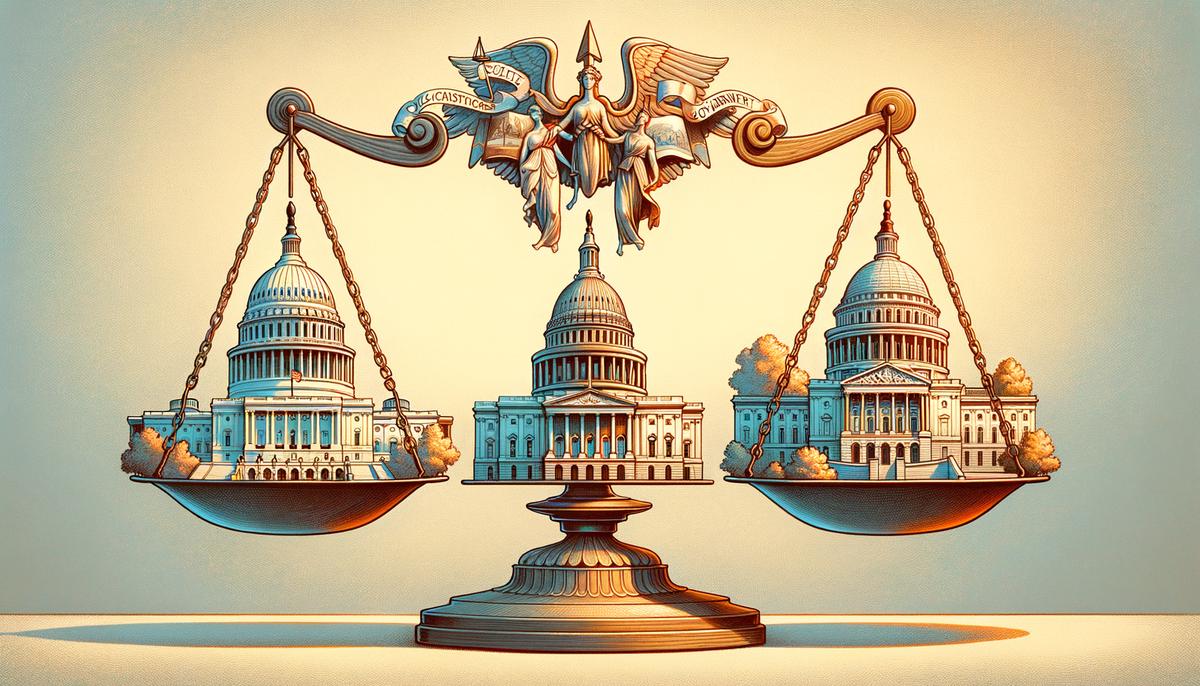
17th Amendment and Senate Term Limits
The U.S. Constitution originally assigned state legislatures to elect senators. By the early 1900s, this method showed flaws. Deadlocks in state elections became frequent. Delaware notably struggled, taking 217 ballots over 114 days in 1895 and failing to elect a senator. Calls for popular votes...
Read more →Fourth Amendment: Security vs. Privacy
The Fourth Amendment requires police to obtain warrants for searches and seizures. However, digital surveillance has complicated this protection. The Foreign Intelligence Surveillance Act (FISA) of 1978 created a special court to oversee surveillance related to national security. Executive Order...
Read more →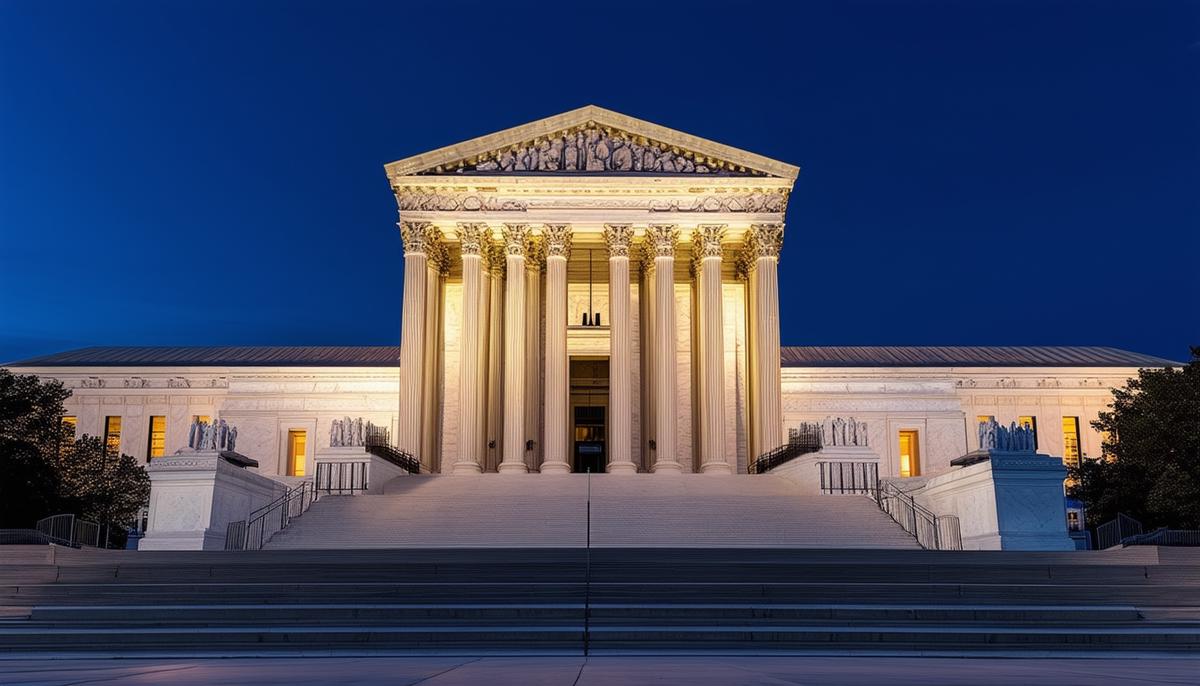
Eighth Amendment and Lethal Injection
U.S. execution methods have changed over time. Hanging was common in the 1800s. The Supreme Court in Wilkerson v. Utah (1879) ruled it wasn't cruel and unusual. Electrocution came next in 1890. The Court approved it in Louisiana ex rel. Francis v. Resweber (1947), even after a failed attempt....
Read more →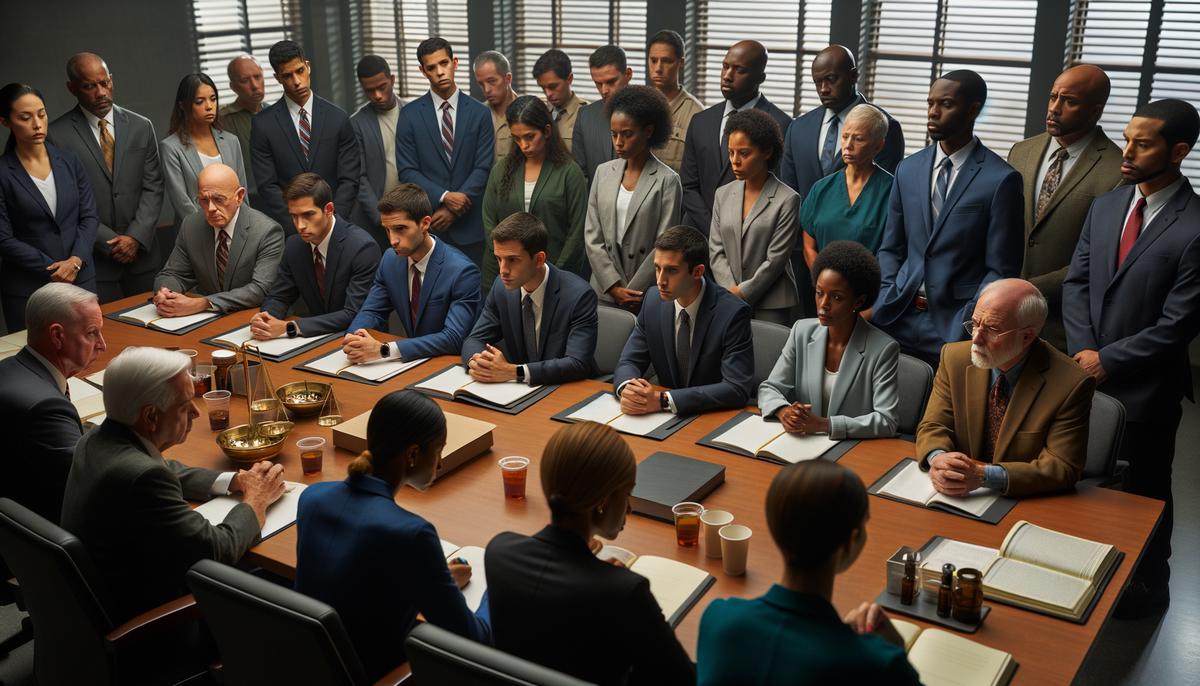
Fifth Amendment and Grand Jury
The grand jury's roots stretch back to ancient Athens and pre-Norman England. The Assize of Clarendon under Henry II shaped this institution where laymen could weigh in on accusations without strict procedural rules. In America, the grand jury concept appeared in the 1683 Charter of Liberties and...
Read more →