
US Constitution.co
Constitutional Topics

Constitutional Ban on Cattle Ranching?
Commercial cattle ranching on Indigenous territories in Brazil is banned by law . However, investigations reveal large areas within the Arariboia Indigenous Territory are being used for ranching amid violence against the Guajajara people. Environmental crimes like illegal deforestation and...
Read more →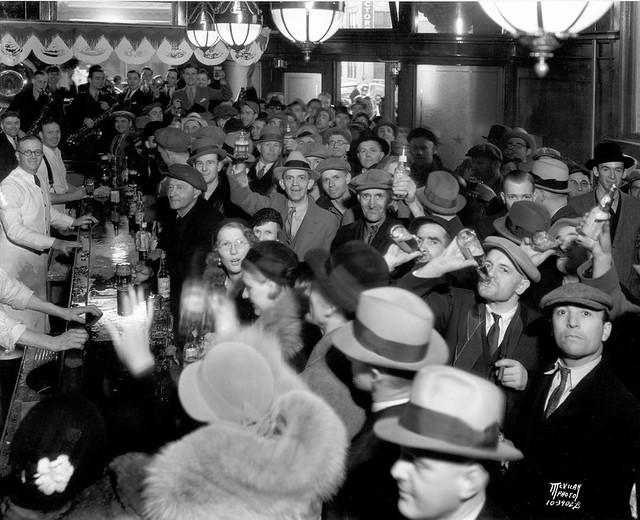
State Influence of 21st Amendment
The Twenty-first Amendment repealed Prohibition, which had been established by the Eighteenth Amendment. Prohibition aimed to curb alcohol-related social ills but proved difficult to enforce, leading to widespread defiance and the rise of organized crime. By the early 1930s, public sentiment had...
Read more →
14th Amendment and Affirmative Action
The Fourteenth Amendment emerged after the Civil War to address slavery's aftermath. It granted citizenship to all born or naturalized in the U.S., countering racial discrimination. Congress passed several race-conscious laws during this period, including the 1866 Freedmen's Bureau Act, which...
Read more →
Tenth Amendment and Education
The Tenth Amendment emerged from debates between Federalists and Antifederalists in the late 1700s. Federalists argued for a strong central government, while Antifederalists feared an all-powerful authority might trample individual rights and state sovereignty. The inclusion of the Bill of Rights,...
Read more →
Second Amendment and Gun Show Loopholes
The Second Amendment states: "A well-regulated Militia, being necessary to the security of a free State, the right of the people to keep and bear Arms, shall not be infringed." In the Founders' time, militias were composed of everyday citizens ready to protect their land and family. The amendment...
Read more →First Amendment and Whistleblowers
Whistleblower protection in the United States has evolved through legislation and court cases. The False Claims Act of 1863 allowed whistleblowers to sue on behalf of the government and share in recovered damages. The Whistleblower Protection Act of 1989 protected federal employees disclosing...
Read more →
Repeal of Prohibition: 21st Amendment
The Eighteenth Amendment, ratified in 1919, marked the triumph of the temperance movement after a century of activism. The Anti-Saloon League and Protestant women were key drivers, motivated by alcohol's negative impacts on families. Temperance advocates initially aimed for moderation but...
Read more →
First Amendment Free Speech
The First Amendment emerged from rebellion against English laws suppressing dissent. Jefferson and Madison opposed the Alien and Sedition Acts of 1798, which targeted critics of President John Adams. Ratified in 1791, the First Amendment shifted power from government to people, highlighting...
Read more →
Amending the U.S. Constitution
Article V of the U.S. Constitution outlines how to propose and ratify changes to our founding document. It's not a simple process. To propose an amendment via Congress, a two-thirds supermajority in both the House and Senate is required. That's 67 out of 100 Senators and 290 out of 435...
Read more →
Founders' Separation of Powers
James Madison recognized the dangers of unchecked power. At the College of New Jersey, he studied classical politics and Enlightenment ideas. By 1787, he was ready to overhaul the Articles of Confederation. Madison's Virginia Plan proposed a bicameral legislature, national executive, and judiciary....
Read more →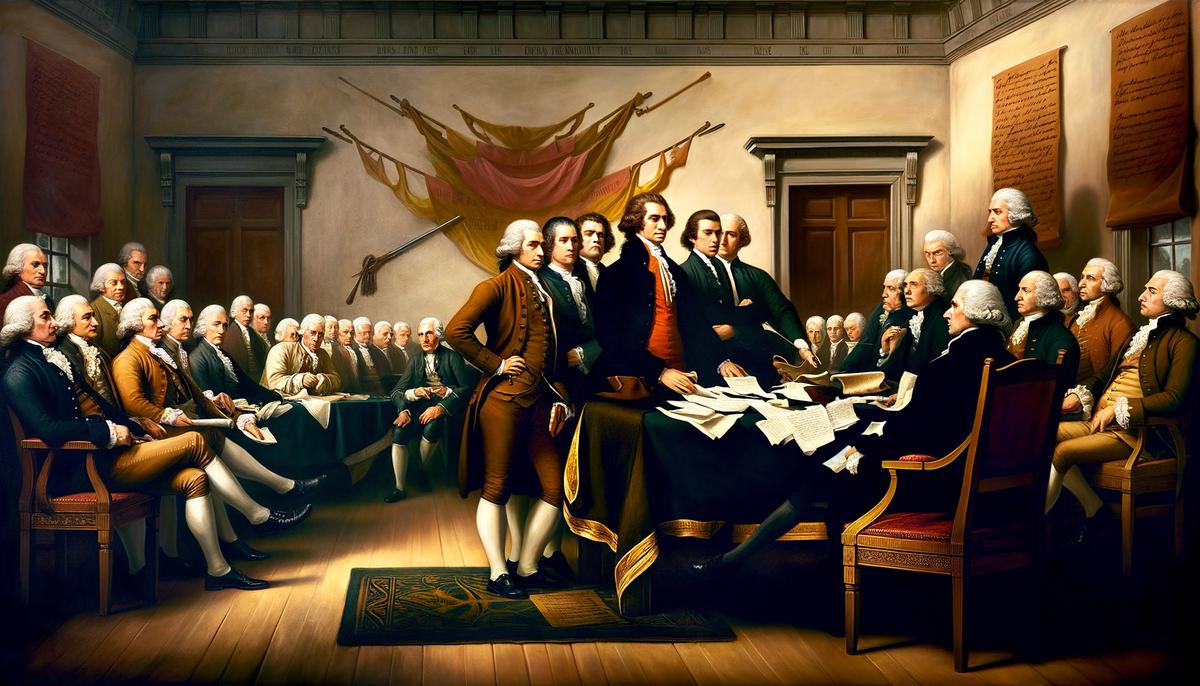
Ninth Amendment Privacy Rights
During the Constitution's ratification, Federalists and Anti-Federalists clashed. The Federalists, led by James Madison, wanted ratification without a bill of rights, arguing it might imply the government could violate unlisted rights. Anti-Federalists demanded explicit rights to prevent overreach....
Read more →
First Amendment: Freedom of Speech
The First Amendment was born from states' demands for explicit constitutional guarantees of essential freedoms. James Madison crafted it, inspired by the Virginia Declaration of Rights. New York and other states refused to ratify the Constitution without a Bill of Rights. The amendment begins,...
Read more →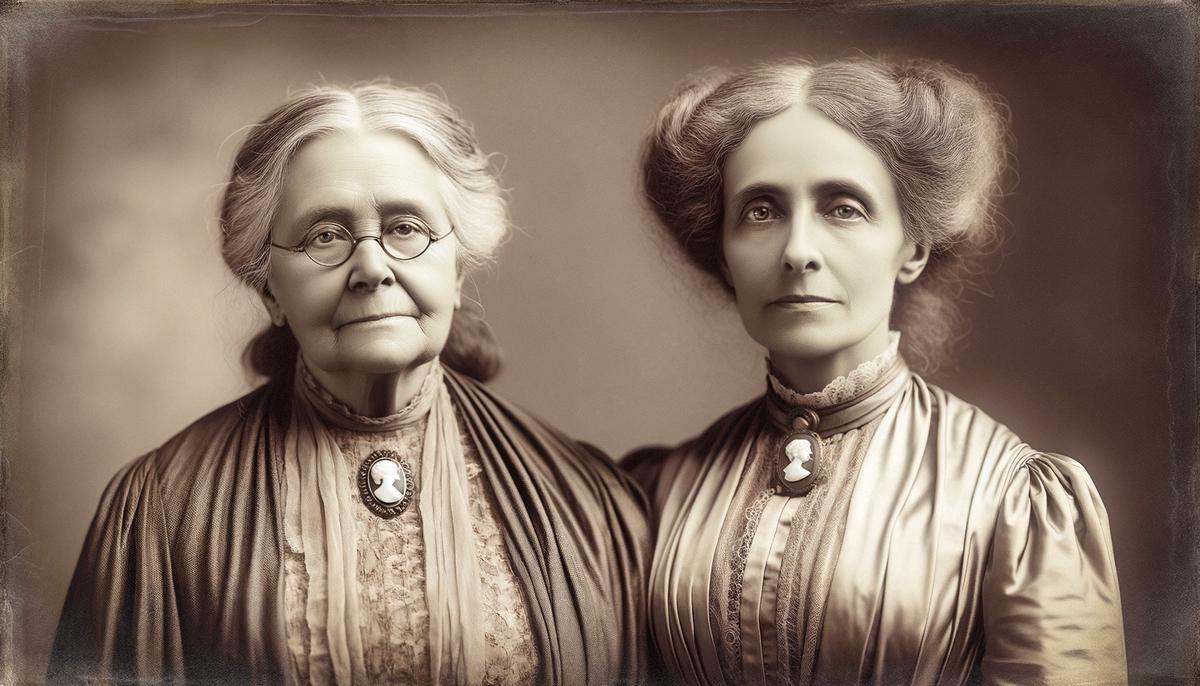
Nineteenth Amendment Impact
Elizabeth Cady Stanton and Susan B. Anthony felt betrayed by the 15th Amendment, viewing it as a half-measure that gave Black men the vote but left women disenfranchised. Their fallout with Frederick Douglass was notable, with Stanton using racial slurs and Anthony supporting her. Douglass argued...
Read more →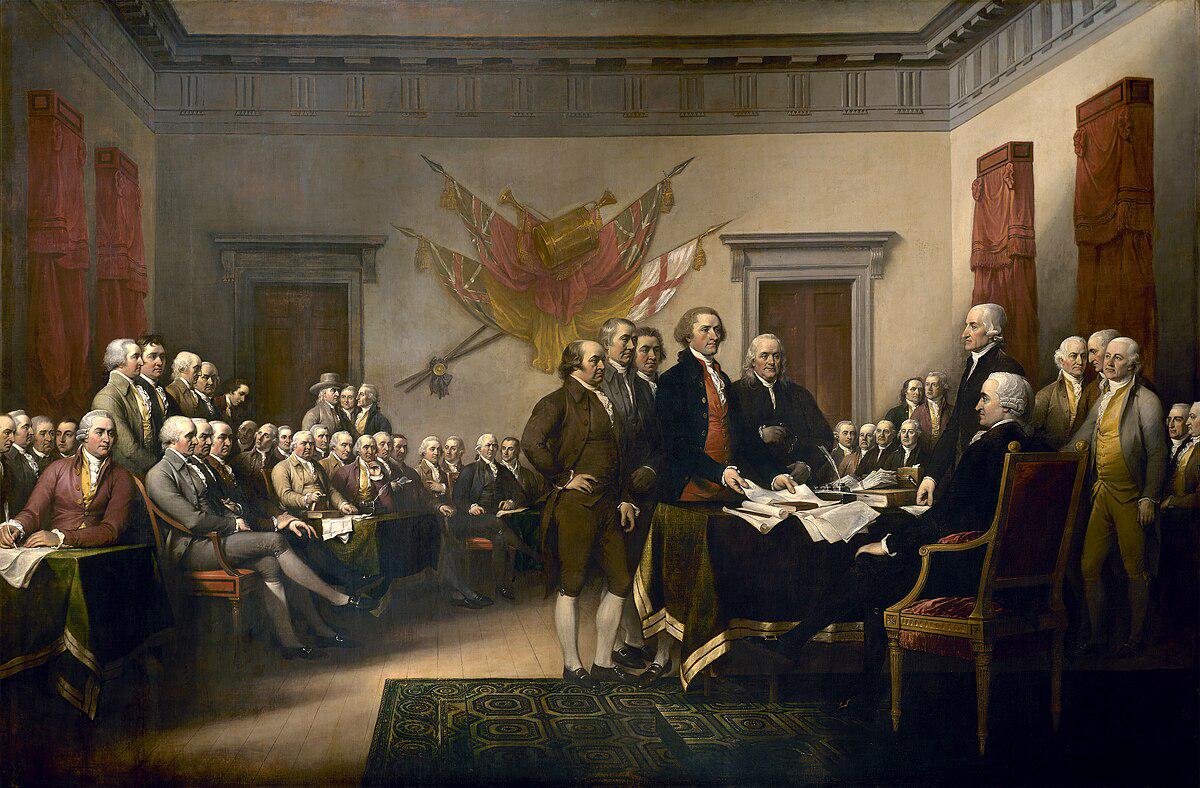
First Amendment Right to Assemble
The right to assemble has roots in the Magna Carta of 1215, which introduced the idea of pushing back against monarchs. The 1689 English Bill of Rights clarified the right to petition the King. The First Amendment to the U.S. Constitution states: "Congress shall make no law... abridging the right...
Read more →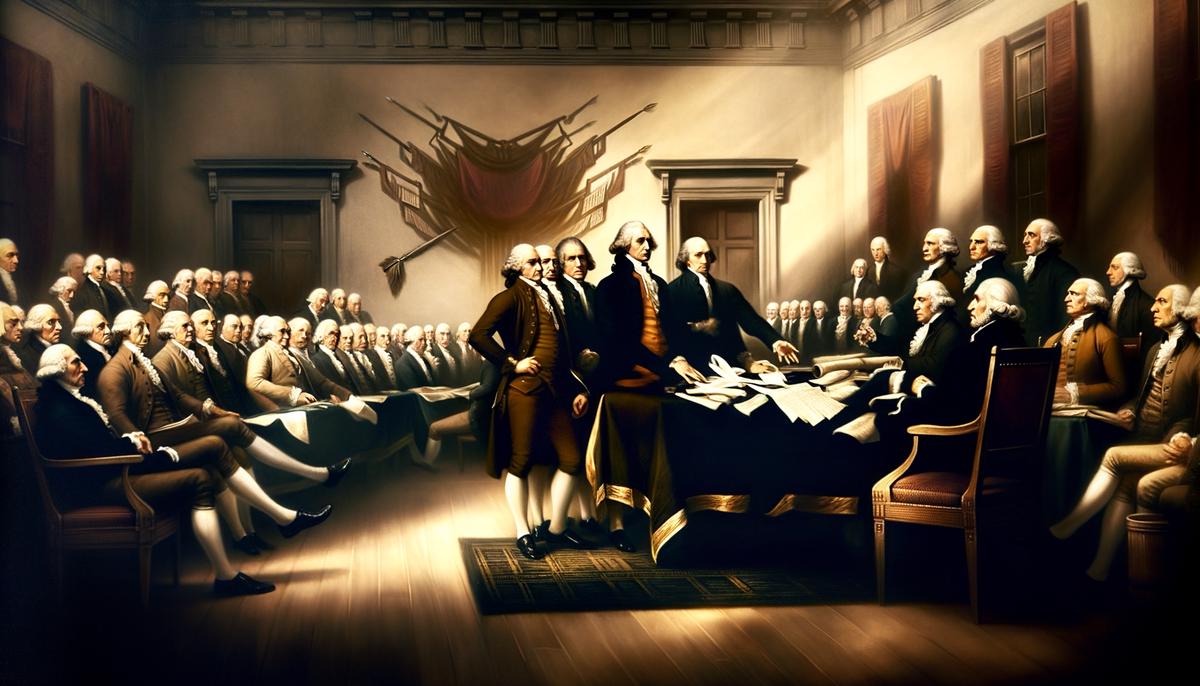
Founders' Vision of Republicanism
Republicanism, as envisioned by the Founding Fathers, revolves around core principles. The power of government lies in the hands of the people through representative democracy. Elections are crucial, with George Washington setting a precedent by stepping down after two terms. Representatives are...
Read more →
Eleventh Amendment Limits
Chisholm v. Georgia was highly controversial . When a South Carolina man tried to make Georgia pay its debts, Georgia reacted strongly. The Court's 1793 decision to allow this suit led directly to the Eleventh Amendment. Anti-Federalists had worried about such scenarios, fearing states would face...
Read more →
Balancing Security and Rights
The USA PATRIOT Act, enacted after 9/11, expanded government surveillance powers. The FBI gained broader access to records without previous checks and balances. Earlier examples include FDR's Executive Order 9066, which authorized internment camps for Japanese-Americans during World War II. This...
Read more →
Fifth Amendment Property Rights
The Fifth Amendment's Takings Clause states: "nor shall private property be taken for public use, without just compensation." This principle, rooted in common law, aims to protect citizens against arbitrary land seizures without compensation. The idea of compensating citizens for seized property is...
Read more →
Eighth Amendment Punishments
The Eighth Amendment originated from the English Bill of Rights in 1689, prohibiting "cruell and unusuall punishments." America embraced this principle, including it in the Virginia Declaration of Rights in 1776 and the U.S. Bill of Rights by 1791. Critics like Abraham Holmes feared Congress might...
Read more →
Founders' Views on States' Rights
States' rights trace back to colonial times and revolutionary ideals. The 13 colonies, resenting distant rule, embraced self-governance. The Articles of Confederation, America's first attempt at unity, proved inadequate. Debt and instability led to the Constitutional Convention of 1787 . The...
Read more →