
US Constitution.co
Founding Fathers
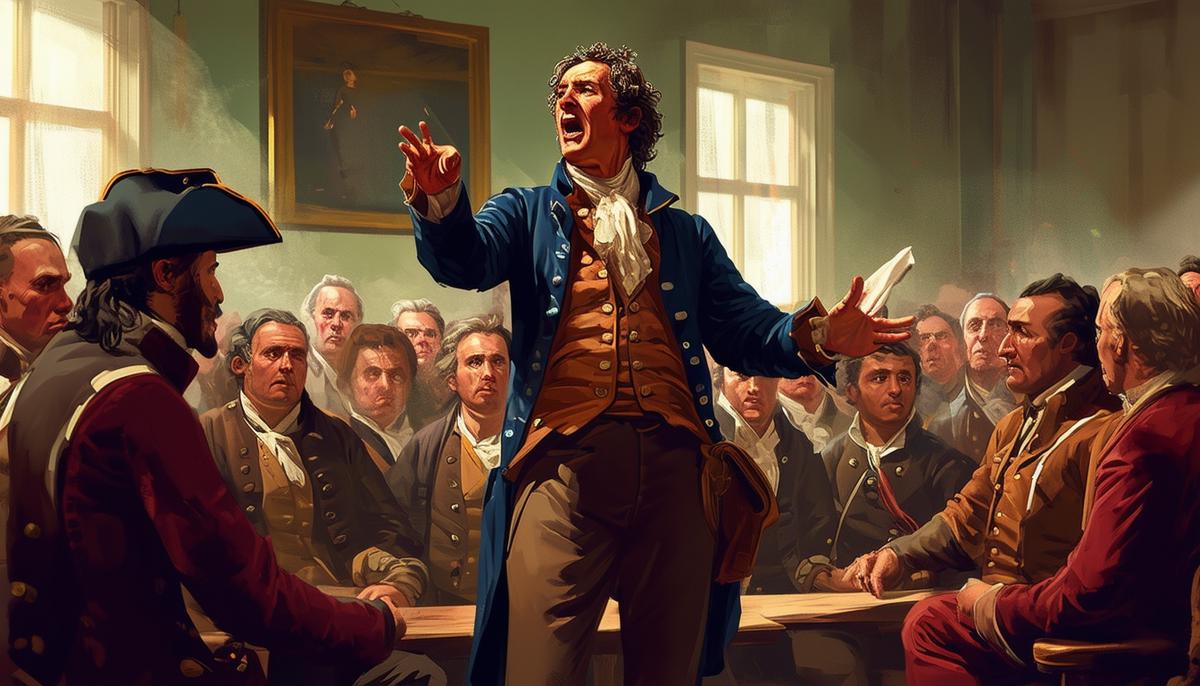
Patrick Henry vs Centralized Government
Patrick Henry was born in 1736 to John and Sarah Winston Henry in Hanover County, Virginia. His father was a Scottish immigrant and academic, while his mother came from a prominent Virginia family. Young Patrick struggled academically and failed at various business ventures. Henry turned to law out...
Read more →
Founders' Vision for America
The Founding Fathers prioritized freedom from arbitrary rule and self-governance . Their experiences with religious persecution shaped their views. John Jay's grandfather, a Huguenot, returned from a voyage to find his family gone and homes occupied by soldiers. Many fled from fines, imprisonment,...
Read more →
Lesser-Known Founding Fathers
Roger Sherman signed all three of the nation's foundational documents. This Calvinist was a key figure in the Continental Congress and helped draft the Declaration of Independence. He was part of the committee framing the Articles of Confederation and played a crucial role in the Constitutional...
Read more →
Classical Influence on Founding Fathers
Alexander Hamilton entered King's College in 1773 with extensive knowledge of Greek and Latin grammar. He could read Cicero and Vergil's Aeneid in Latin and translate John's Gospel from Greek to Latin. Many Founding Fathers had similar classical educations. Thomas Jefferson's early training in...
Read more →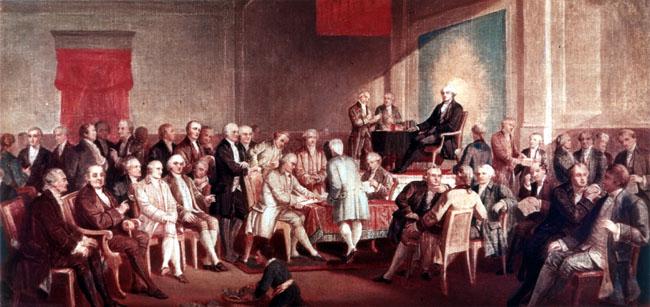
Roger Sherman and the Great Compromise
The Constitutional Convention in 1787 aimed to resolve issues under the weak Articles of Confederation. States clashed over congressional representation and federal power. The Articles couldn't levy taxes or regulate interstate commerce, creating a toothless central government . The main dispute...
Read more →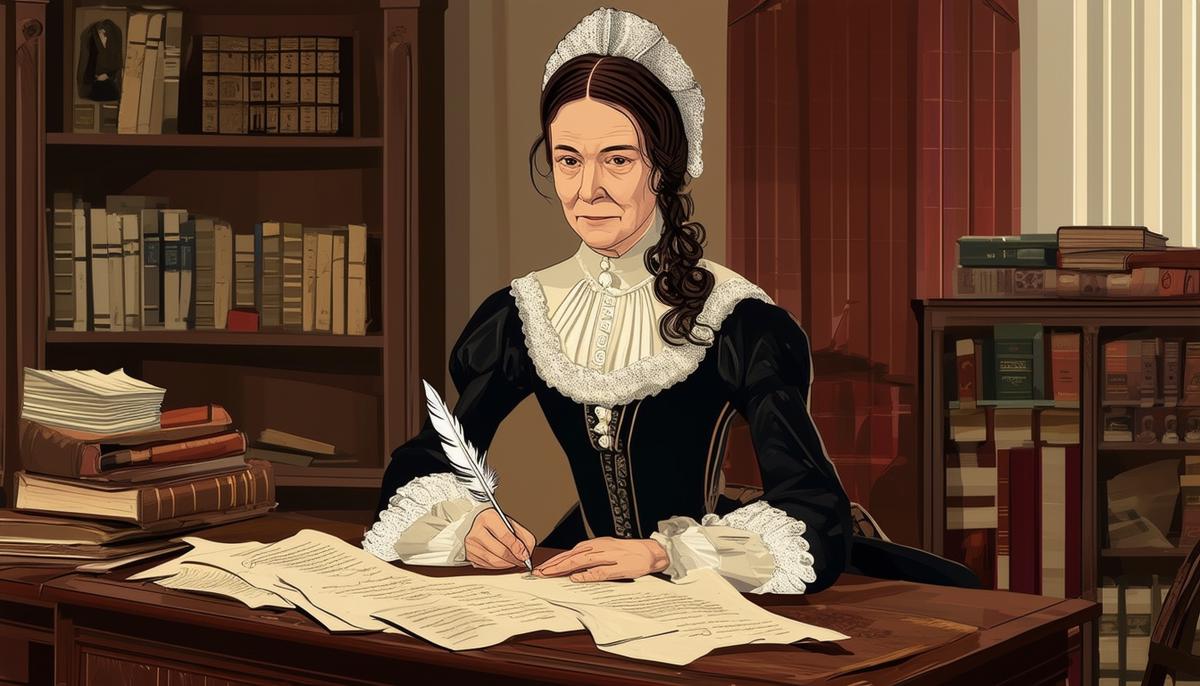
Mercy Otis Warren's Revolutionary Role
Mercy Otis Warren was born in Barnstable, Massachusetts, on September 14, 1728. Her father, James Otis, was an attorney and Massachusetts legislator. Her older brother, James Otis Jr., treated her as an intellectual equal. At nine, she joined her brothers' lessons with Reverend Johnathan Russell,...
Read more →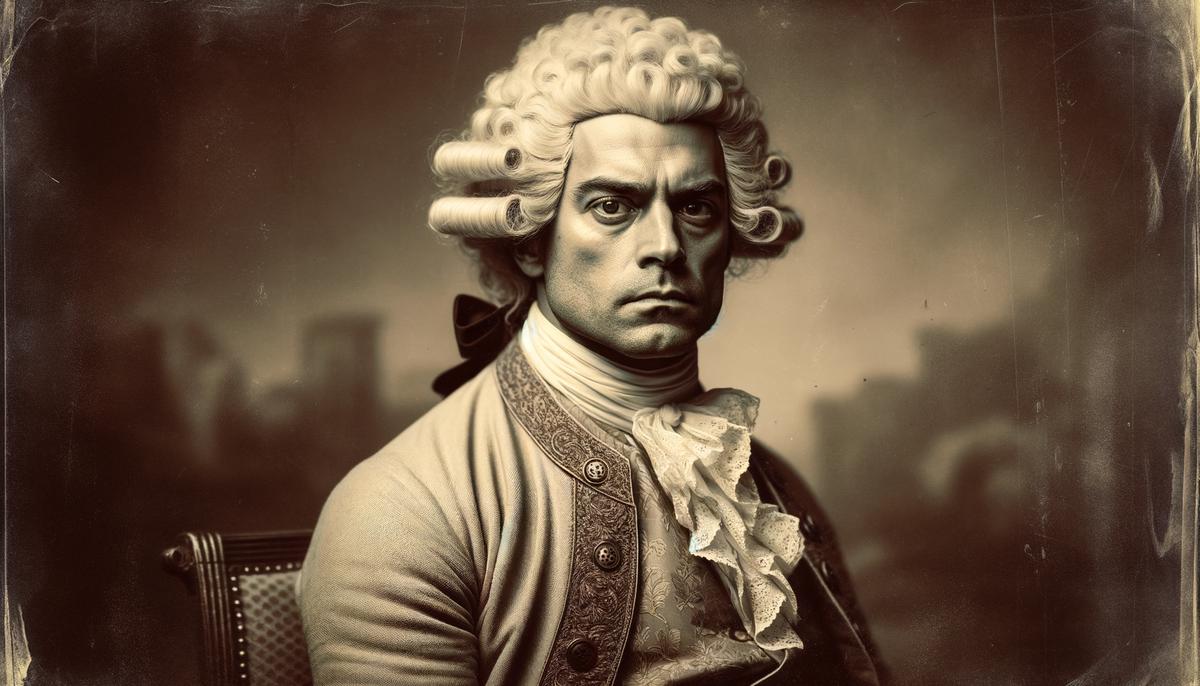
Hancock's Leadership in Congress
John Hancock's path to the Continental Congress began when he moved in with his wealthy uncle Thomas Hancock after his father's death. He attended Boston Latin School and Harvard, graduating in 1754. When his uncle died in 1765, Hancock inherited the business and became one of New England's...
Read more →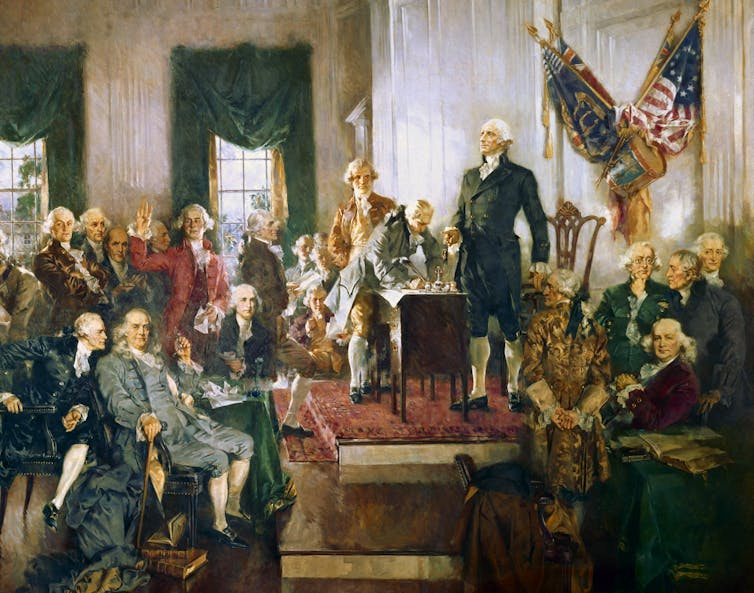
Founding Fathers and Natural Rights
John Locke, Thomas Hobbes, and Jean-Jacques Rousseau laid the groundwork for American political thought on natural rights. Locke argued individuals were born with "inalienable" rights to life, liberty, and property. He said humans have the right to protect their lives and shouldn't interfere with...
Read more →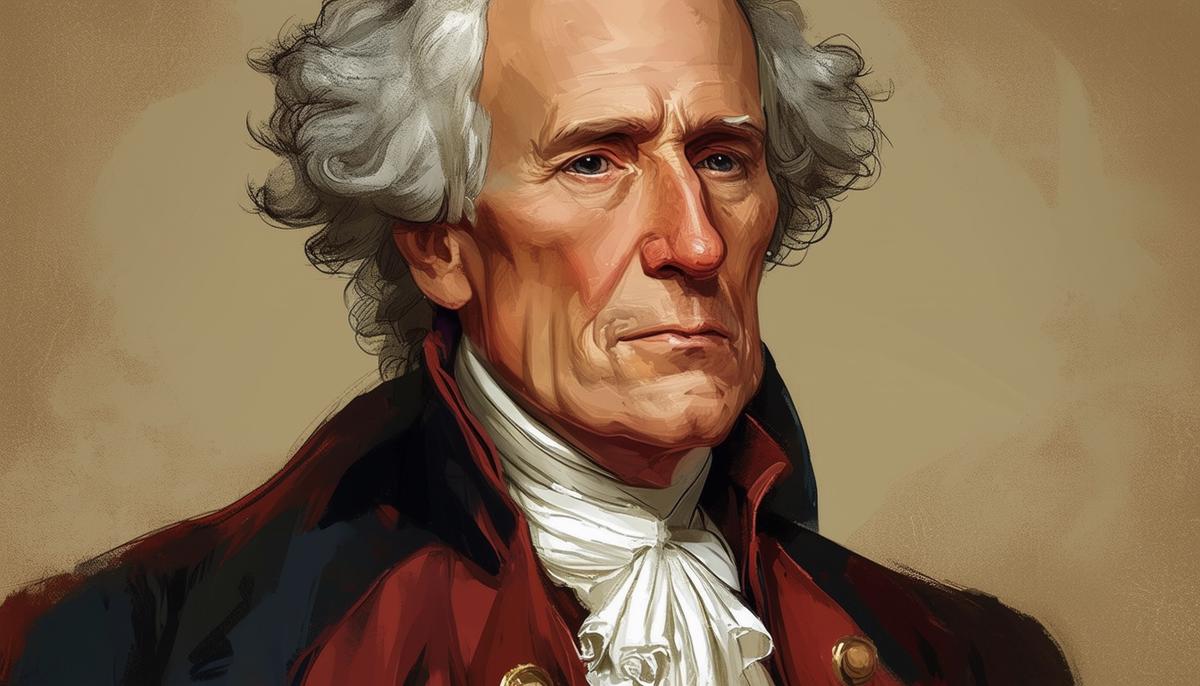
Richard Henry Lee's Legacy
Richard Henry Lee was born on January 20, 1732, at Stratford Hall in Westmoreland County, Virginia. He was the fourth of Thomas and Hannah Lee's eight surviving children. Lee received his early education from a family tutor, Alexander White, at Stratford Hall. In 1748, Lee embarked on a journey to...
Read more →
Hamilton's Economic Policies
Alexander Hamilton rose from uncertain beginnings in the West Indies to shape America's financial future. As the first Secretary of the Treasury, he envisioned a United States of bustling cities, factories, and thriving commerce. Hamilton believed self-interest drove industry and commerce, and the...
Read more →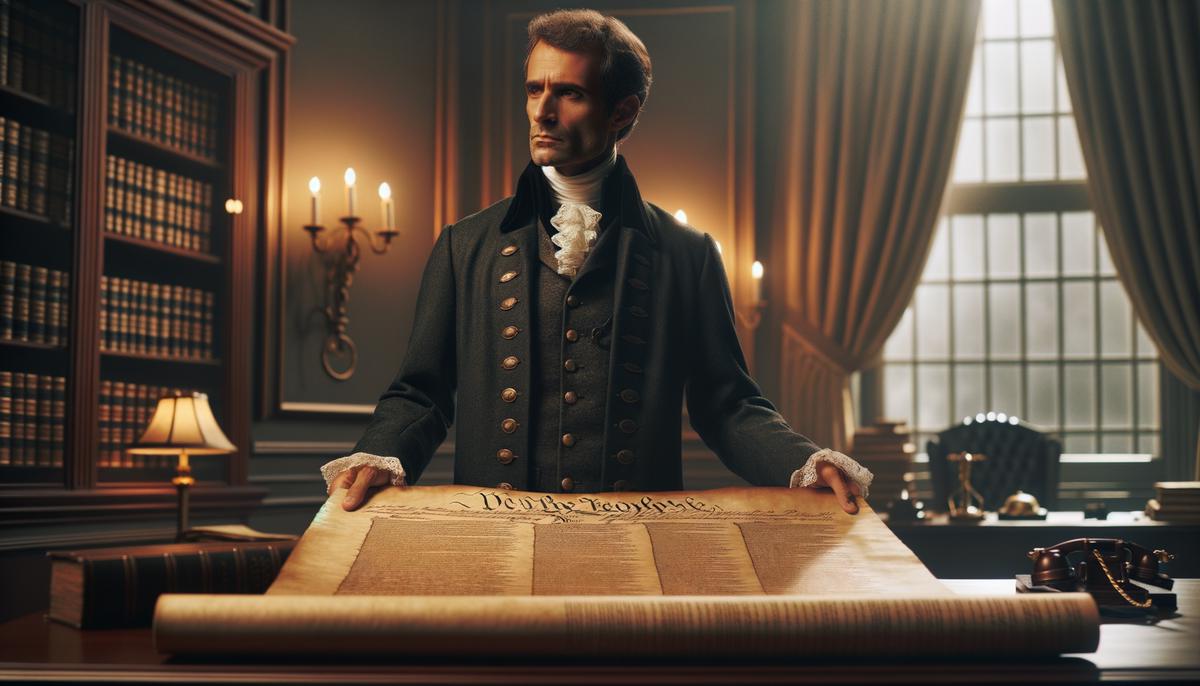
John Jay's Foreign Policy Impact
John Jay, born in 1745, started his career early. He attended King's College (now Columbia University) at 14 and later practiced law in New York. He became a delegate to the First Continental Congress in 1774. Initially, Jay hoped for reconciliation with Britain and didn't sign the Declaration of...
Read more →
Madison and the Federalist Papers
James Madison, writing as "Publius," authored 29 of the 85 Federalist Papers essays between October 1787 and May 1788. These essays aimed to convince New Yorkers to support the Constitution over the Articles of Confederation. Madison's contributions included the influential Federalist No. 10 and...
Read more →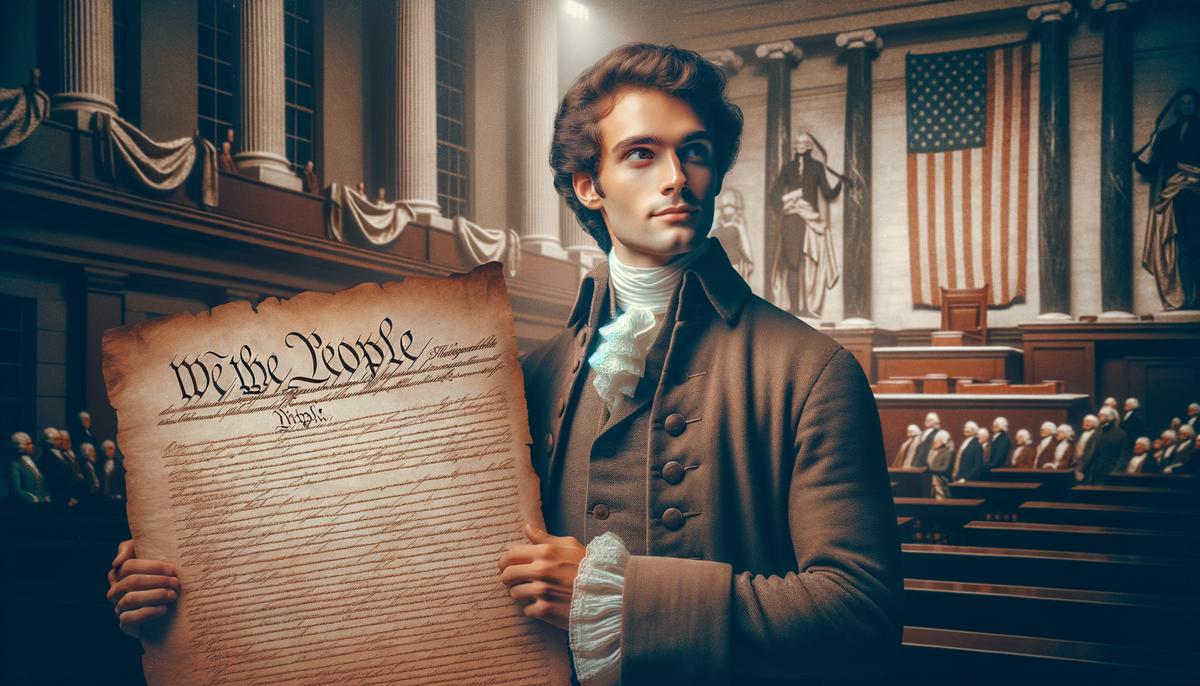
John Adams' Political Thought
John Adams was a key figure in the Continental Congress, pushing for America's break from Britain. During the Second Continental Congress, Adams led the pro-independence faction, strategizing and driving the charge. In debates over declaring independence, Adams was vocal and persistent. He chaired...
Read more →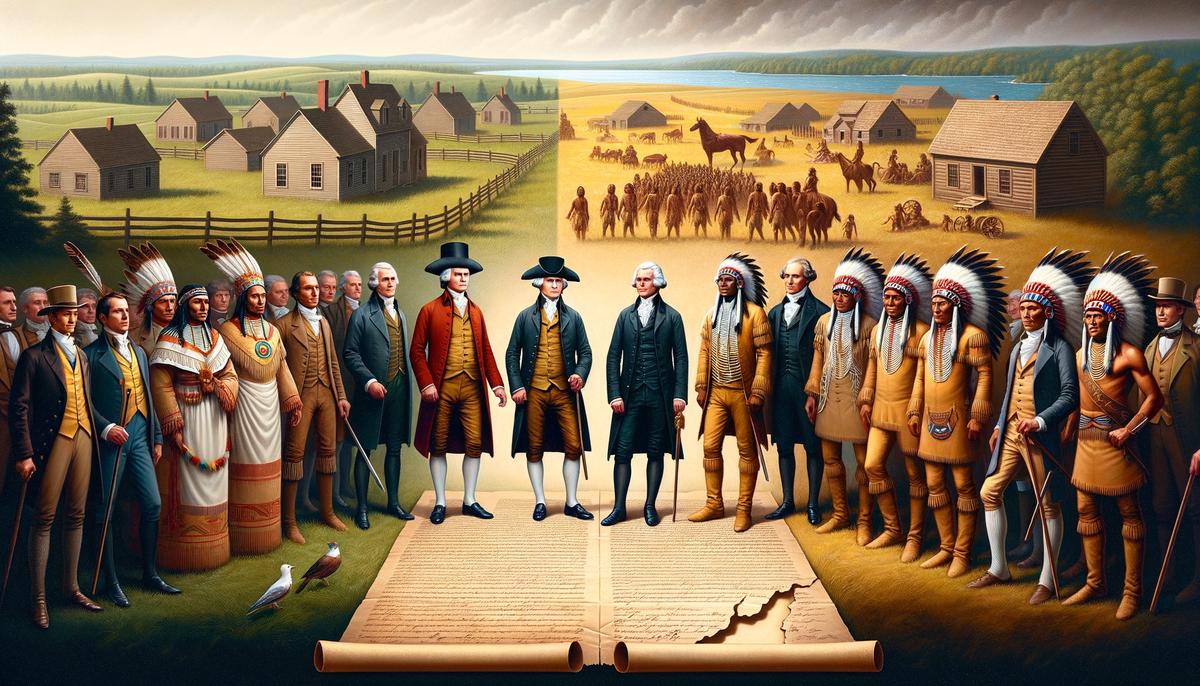
Founding Fathers and Native Americans
Thomas Jefferson saw Native Americans as enemies or allies politically, and as subjects of intellectual curiosity. He hoped for peaceful coexistence, with Native Americans adopting Anglo-American culture. George Washington engaged with indigenous peoples through diplomacy and military action. He...
Read more →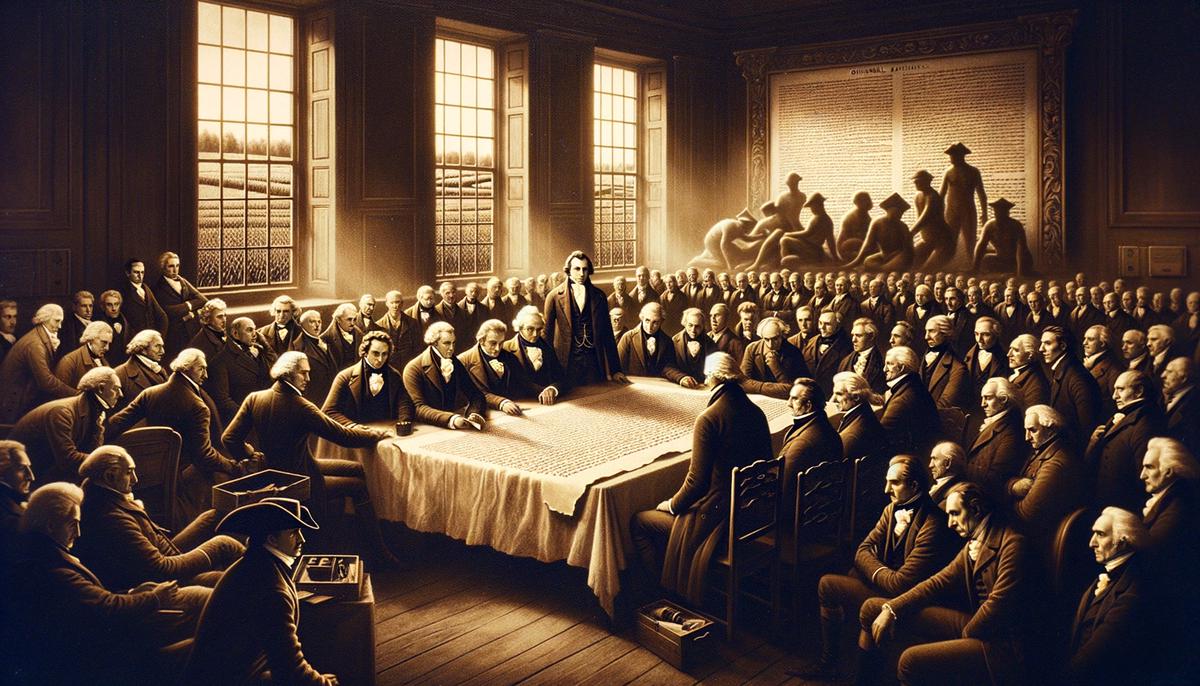
Founding Fathers and Slavery
The Founding Fathers grappled with advocating for liberty while participating in slavery. Washington and Jefferson owned slaves despite their proclamations about freedom. Washington freed his slaves in his will, while Jefferson couldn't envision racial equality and proposed colonization for freed...
Read more →
Founding Fathers' Impact on Conservatism
Limited government, individual liberty, and natural rights. These principles laid by the Founding Fathers provided the foundation for modern conservatism. James Madison advocated for separation of powers out of distrust of human nature. The checks and balances in the Constitution translate to...
Read more →
Franklin's Role in the Convention
Franklin, hampered by health issues, had James Wilson read his speech at the Constitutional Convention. He admitted not fully approving the Constitution but emphasized the importance of changing views with new information. Franklin highlighted humanity's inherent flaws and urged delegates to doubt...
Read more →