
US Constitution.co
Articles by Javier Ruiz
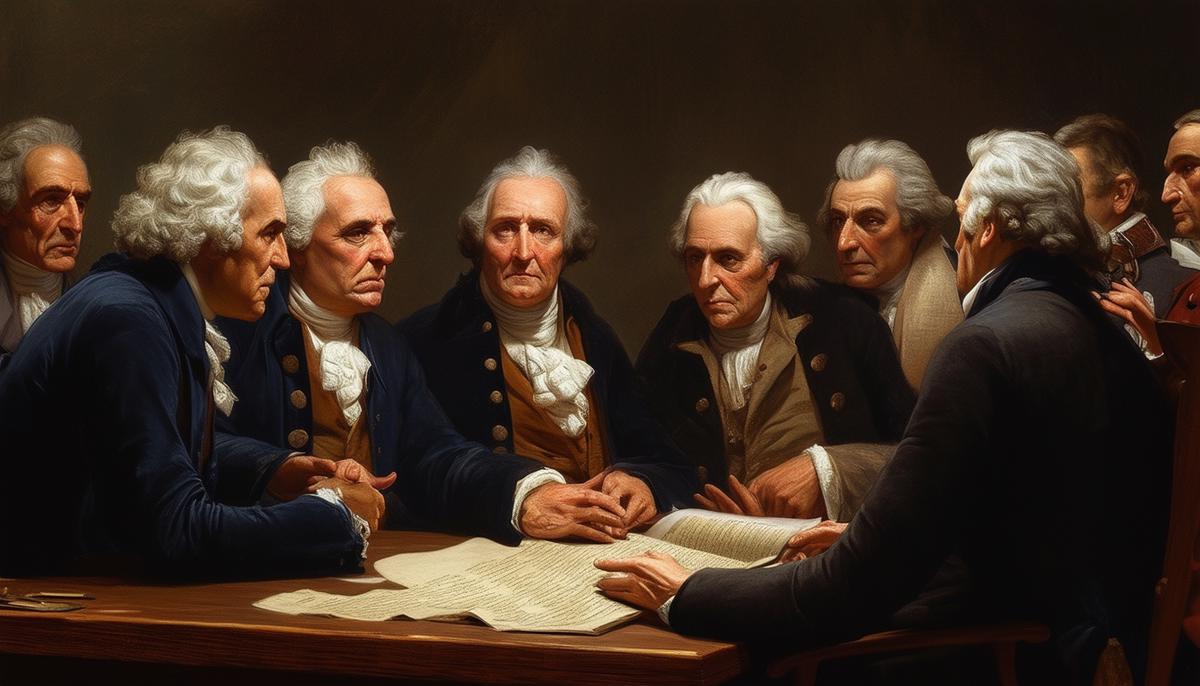
Founding Fathers' Impact on Conservatism
Limited government, individual liberty, and natural rights. These principles laid by the Founding Fathers provided the foundation for modern conservatism. James Madison advocated for separation of powers out of distrust of human nature. The checks and balances in the Constitution translate to...
Read more →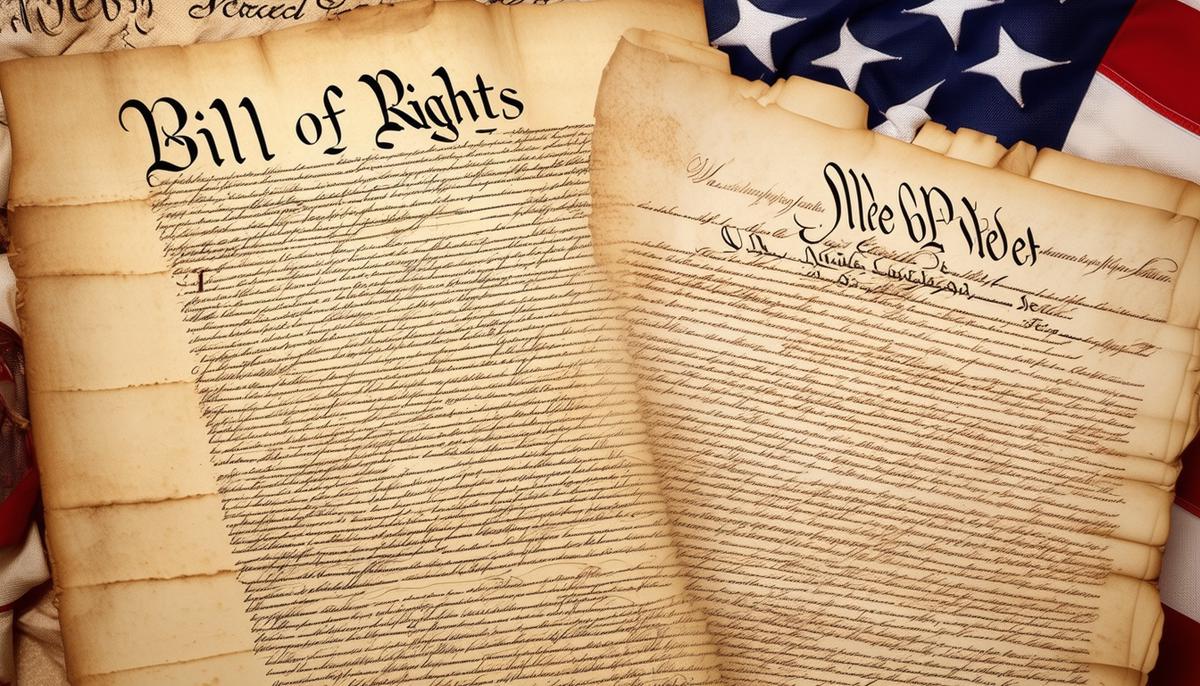
Debates Over the Bill of Rights
George Mason and Elbridge Gerry stood firm in their opposition to the Constitution. Mason, in particular, adamantly demanded a Bill of Rights to safeguard the liberties hard-won during the Revolution. Anti-Federalists harbored deep-seated fears that a centralized authority could pave the way for...
Read more →
27th Amendment Ratification Process
James Madison's idea for the 27th Amendment emerged during the first Congress in 1789. It addressed concerns about fairness and corruption in setting Congressional pay. Madison proposed that Congress could set its pay, but changes wouldn't take effect until after the next election, making voters...
Read more →
Impact of the 14th Amendment
Congress imposed strict conditions on the South after the Civil War. The Fourteenth Amendment became a key part of Reconstruction. Southern states faced pressure to ratify it to regain Congressional representation. The amendment defined U.S. citizenship, overturning the Dred Scott decision. It also...
Read more →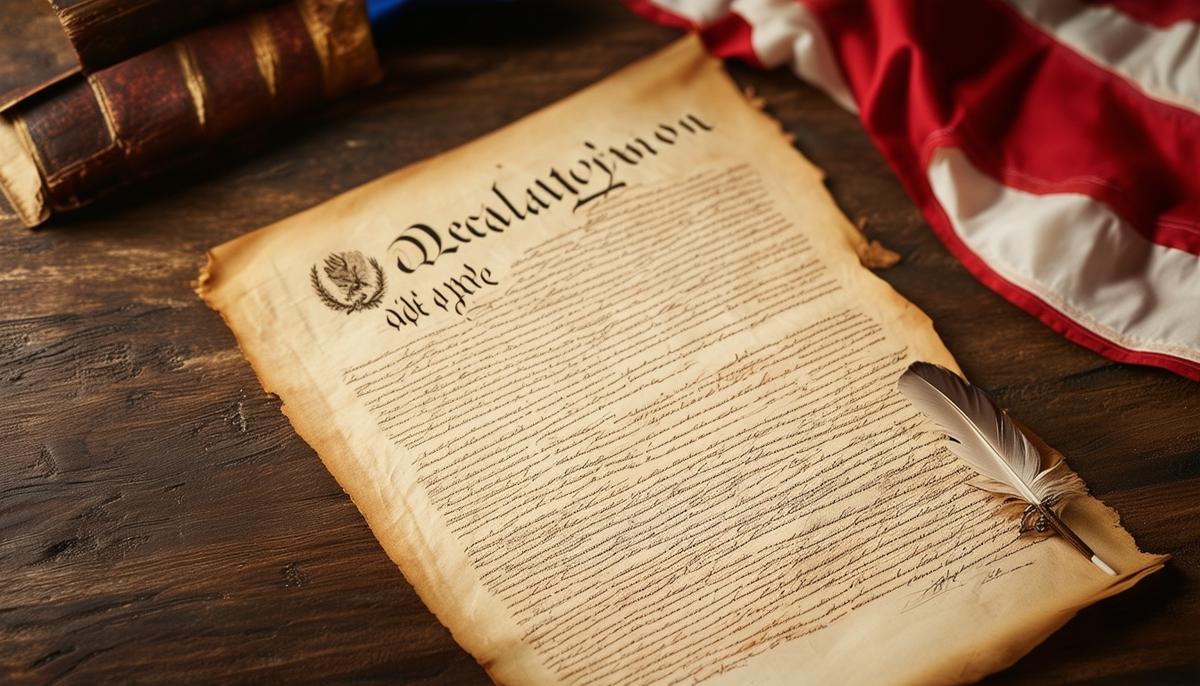
Jefferson's Role in Declaration
The Second Continental Congress in 1776 formed a committee to draft a declaration of independence from Britain. The committee included: John Adams Benjamin Franklin Roger Sherman Robert R. Livingston Thomas Jefferson Jefferson was chosen to chair the committee and write the declaration. He was...
Read more →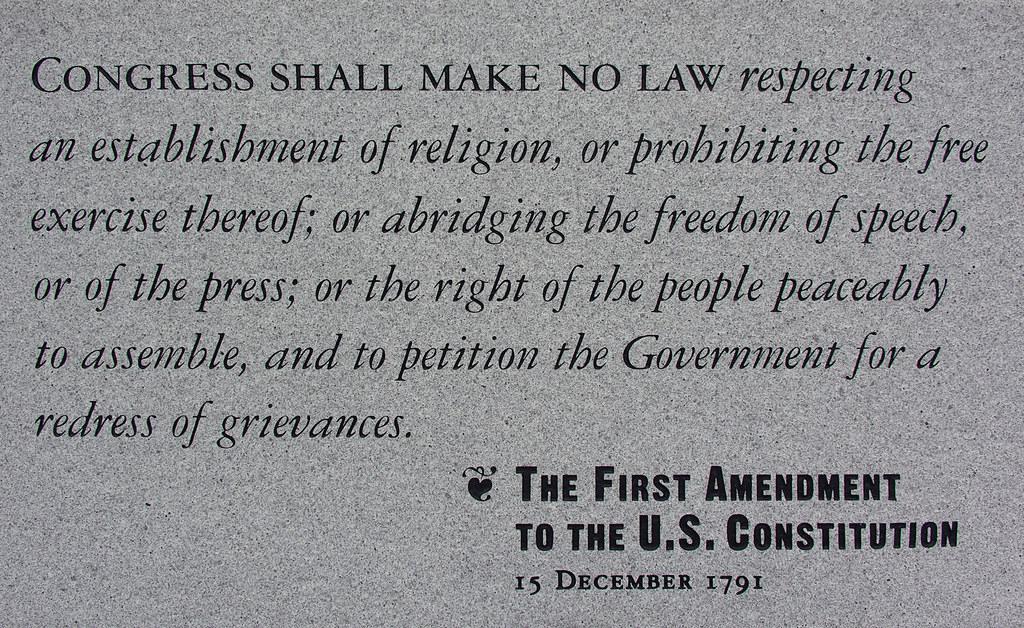
The Right to Petition in Congress
The right to petition the government traces back to foundational documents like the Magna Carta. Enshrined in the First Amendment, it has shaped democratic practices and ensured citizens have a direct line to lawmakers. However, as society evolves, so must our methods of engaging with this freedom....
Read more →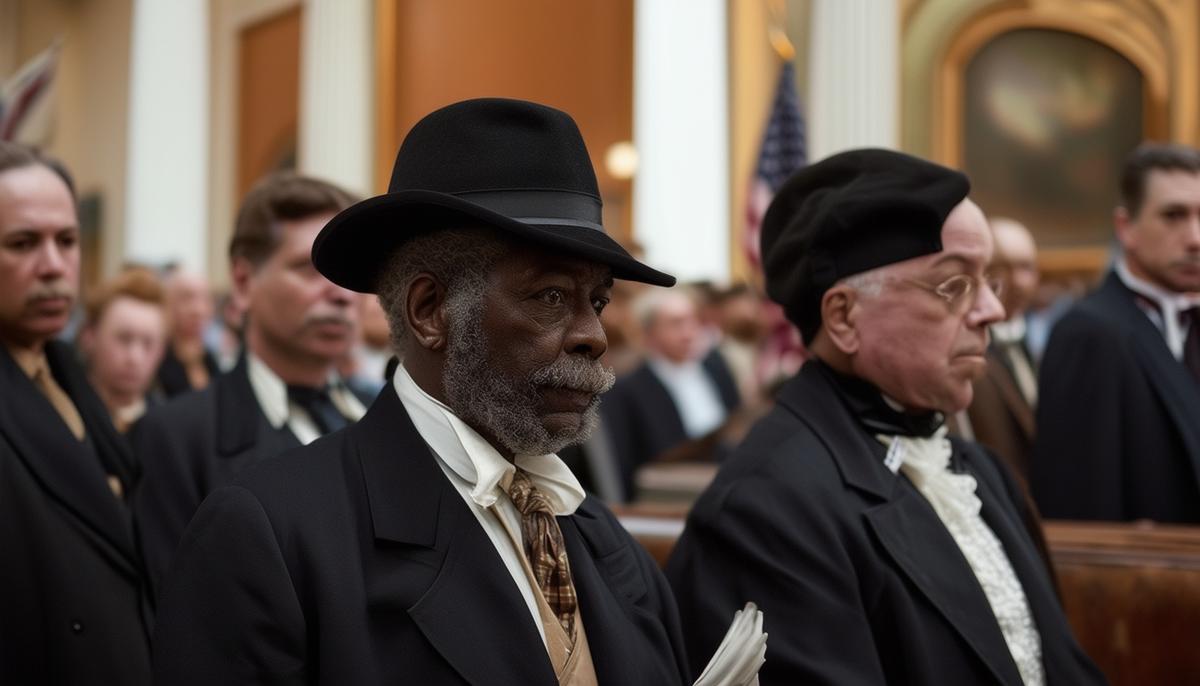
Fifteenth Amendment Enforcement History
The Fifteenth Amendment emerged after the Civil War when America faced integrating freed slaves into civic life. Congress was split on African American suffrage. Moderates prevailed, and the amendment passed on February 26, 1869, with ratification following on February 3, 1870. It banned race-based...
Read more →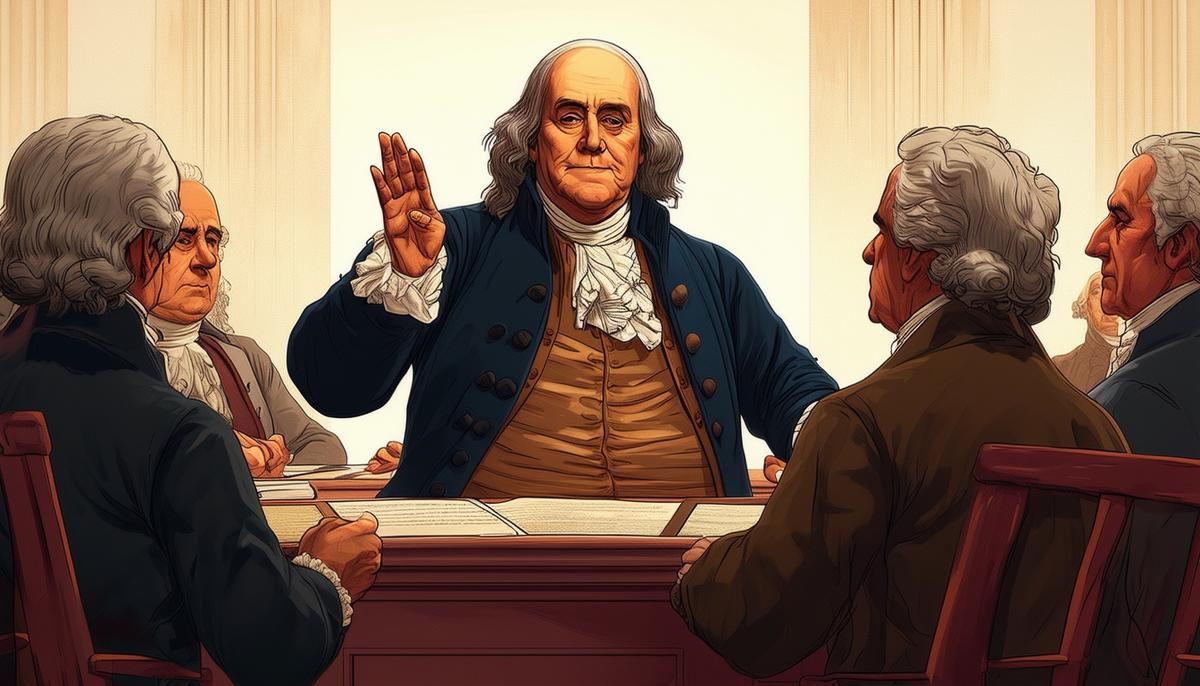
Franklin's Role in the Convention
Franklin, hampered by health issues, had James Wilson read his speech at the Constitutional Convention. He admitted not fully approving the Constitution but emphasized the importance of changing views with new information. Franklin highlighted humanity's inherent flaws and urged delegates to doubt...
Read more →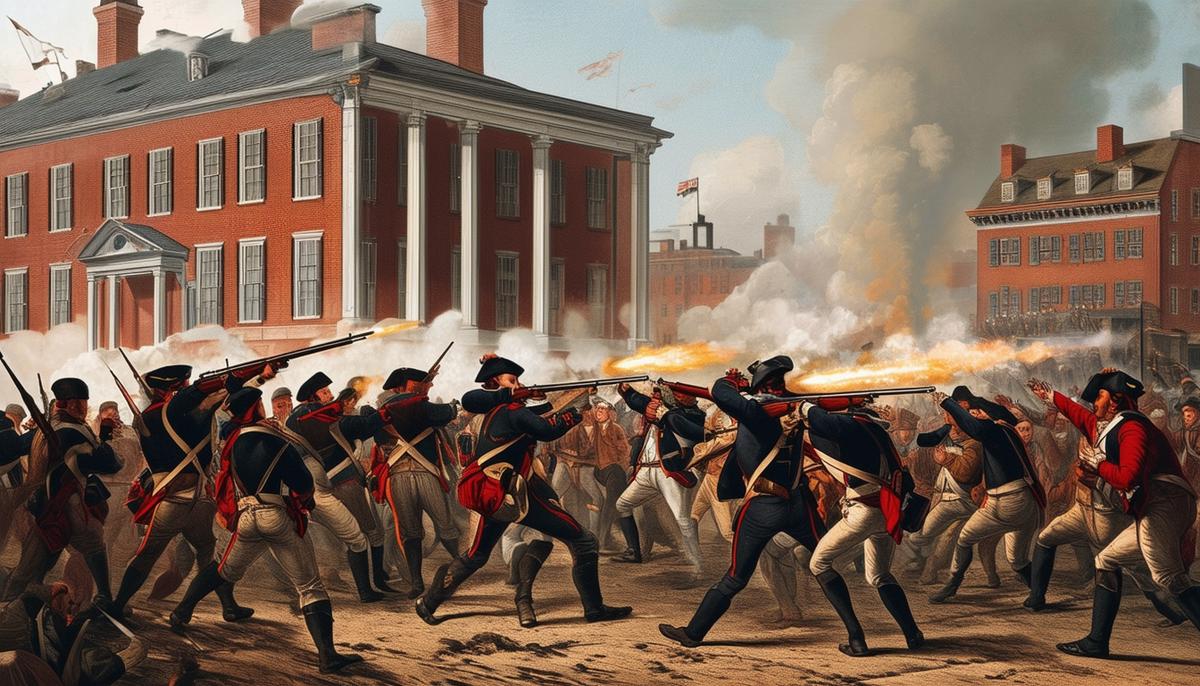
Third Amendment Relevance Today
The Third Amendment, often overlooked, has a significant history rooted in British quartering practices. These practices were contentious enough to be mentioned in the Declaration of Independence . Colonists resented the presence of British soldiers in their homes, seeing it as a violation of...
Read more →
Fifth Amendment Self-Incrimination
The Fifth Amendment's self-incrimination clause emerged from a clash between accusatorial and inquisitorial systems in old English law. The accusatorial system used grand and petit juries, while the inquisitorial system, from ecclesiastical courts, involved forced oaths and self-accusation. This...
Read more →
Second Amendment Rights Debate
The Second Amendment's authors were influenced by English law and colonial history, wary of government overreach. Federalists argued for a strong central government, while Anti-Federalists emphasized state militias as defense against potential federal tyranny. "A well regulated Militia, being...
Read more →