
US Constitution.co
Articles by Javier Ruiz
Federalists vs Anti-Federalists Debate
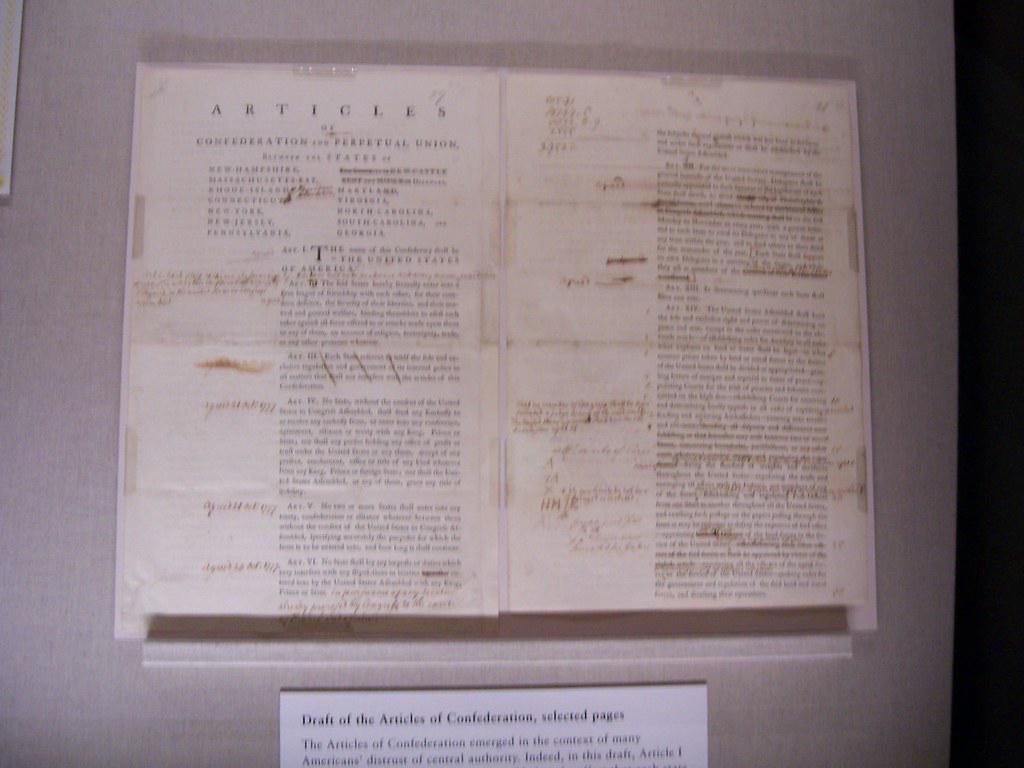
The Articles of Confederation, while a crucial step in American governance, had several major flaws that ultimately led to its replacement: Lack of taxation power: Congress couldn't tax, leaving the federal government without funds. Limited commerce regulation: No power to regulate foreign or...
Read more →
John Jay's Foreign Policy Impact
John Jay, born in 1745, started his career early. He attended King's College (now Columbia University) at 14 and later practiced law in New York. He became a delegate to the First Continental Congress in 1774. Initially, Jay hoped for reconciliation with Britain and didn't sign the Declaration of...
Read more →
Sixteenth Amendment Tax Debate
The Articles of Confederation limited Congress's ability to levy taxes, forcing it to request funds from states. This approach nearly bankrupted the nation. At the 1787 Constitutional Convention, the Founders addressed this issue while remaining wary of direct taxes. They created the Apportionment...
Read more →
Madison and the Federalist Papers
James Madison, writing as "Publius," authored 29 of the 85 Federalist Papers essays between October 1787 and May 1788. These essays aimed to convince New Yorkers to support the Constitution over the Articles of Confederation. Madison's contributions included the influential Federalist No. 10 and...
Read more →
Origins of the Bill of Rights
The Magna Carta (1215) limited royal power, planting early seeds of liberty. The English Bill of Rights (1689) banned cruel punishments and ensured free elections. Colonial unrest under British rule, including the 1765 Stamp Act and warrantless searches, fueled desire for self-governance....
Read more →
John Adams' Political Thought
John Adams was a key figure in the Continental Congress, pushing for America's break from Britain. During the Second Continental Congress, Adams led the pro-independence faction, strategizing and driving the charge. In debates over declaring independence, Adams was vocal and persistent. He chaired...
Read more →
First Amendment vs. Hate Speech
U.S. law doesn't have a "hate speech" category. Under the First Amendment, almost all speech is protected. Hate speech can only be criminalized when it incites imminent unlawful action or constitutes a "true threat." True threats include specific statements that put individuals or groups in clear...
Read more →
Seventh Amendment Jury Trials
Jury trials in civil cases were crucial to Americans in colonial times. Juries were used to nullify British laws, especially tax laws. Anti-Federalists saw juries as safeguards against tyrannical government actions and bad laws. Federalists, however, worried juries could ruin contract law by...
Read more →
Founding Fathers and Native Americans
Thomas Jefferson saw Native Americans as enemies or allies politically, and as subjects of intellectual curiosity. He hoped for peaceful coexistence, with Native Americans adopting Anglo-American culture. George Washington engaged with indigenous peoples through diplomacy and military action. He...
Read more →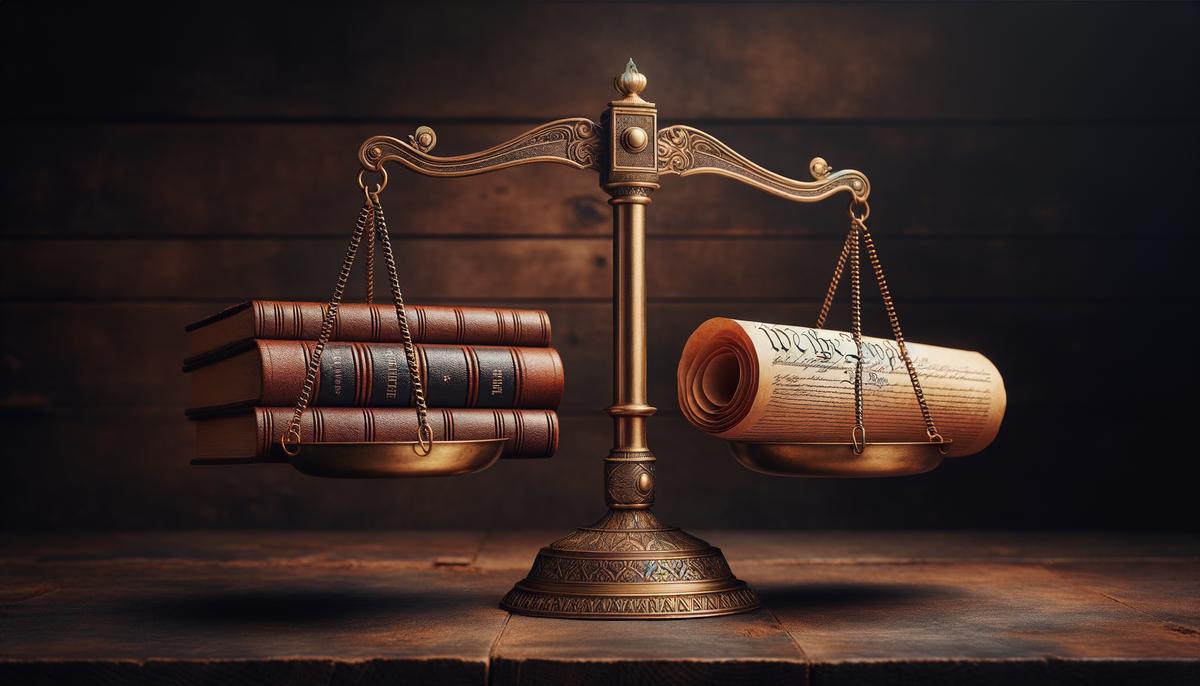
Federalist Papers' Role in Ratification
The Articles of Confederation were flawed, giving states too much power and leaving the central government weak. The federal government couldn't collect taxes or enforce laws effectively. Our leaders realized a change was needed. Alexander Hamilton and others met at the Constitutional Convention in...
Read more →
Third Amendment and Soldier Quartering
The Third Amendment originated from colonial grievances against British quartering practices. The Quartering Act of 1765 required colonists to house British soldiers, even in private homes. This was expanded by the Intolerable Acts of 1774 . These practices fueled colonial resentment, as noted in...
Read more →
Sixth Amendment Jury Rights
The Sixth Amendment guarantees an impartial jury. This means a jury from a representative cross-section of the community. To challenge jury selection, a defendant must prove the group's distinct, underrepresented, and systematically excluded. Bias in jury pools is a serious concern. Courts must...
Read more →
Tenth Amendment and States' Rights
The Tenth Amendment , ratified in 1791, states that powers not delegated to the federal government or prohibited to the states are reserved to the states or the people. It was added to address concerns about potential federal overreach. During the Constitution's ratification, Federalists argued...
Read more →
Founding Fathers and Slavery
The Founding Fathers grappled with advocating for liberty while participating in slavery. Washington and Jefferson owned slaves despite their proclamations about freedom. Washington freed his slaves in his will, while Jefferson couldn't envision racial equality and proposed colonization for freed...
Read more →
Bill of Rights Limits Government
The Bill of Rights emerged from historical grievances and idealism. The framers crafted these first ten amendments to restrict government power, influenced by experiences of monarchical abuses. Key influences on the Bill of Rights include: The Virginia Declaration of Rights Magna Carta English Bill...
Read more →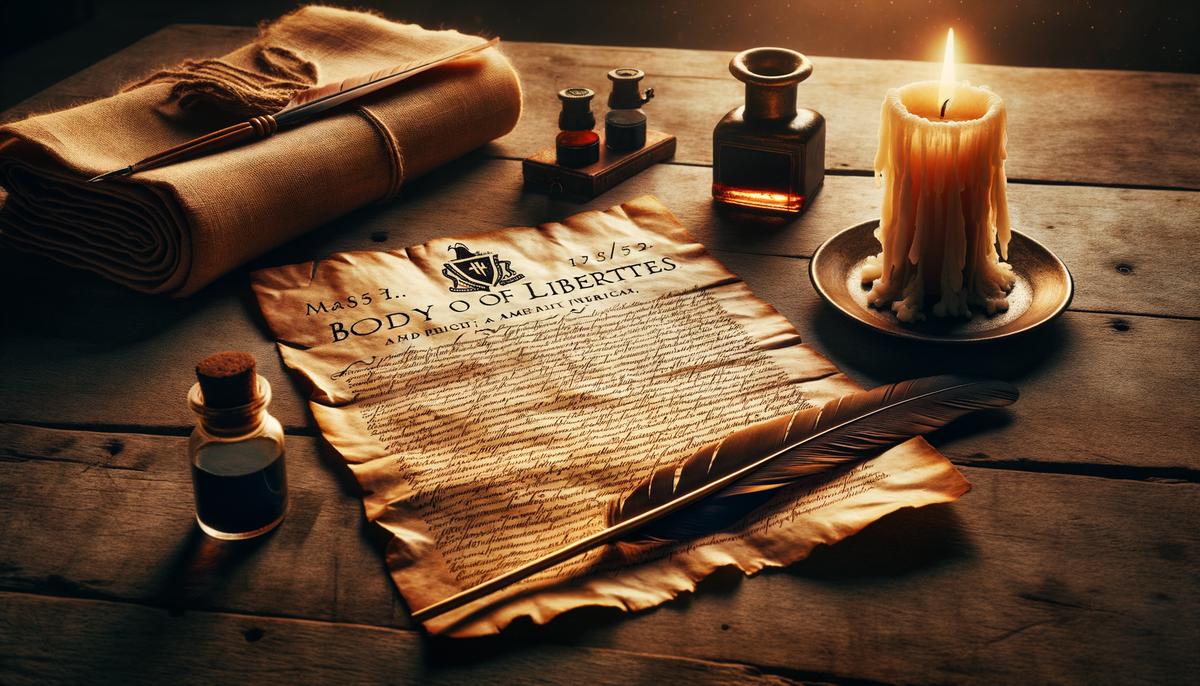
Fifth Amendment Double Jeopardy
English common law shaped early American views on individual rights and government power. Colonists opposed trials without proper legal protections, having witnessed harsh trials and double jeopardy threats in England. The Massachusetts Body of Liberties in 1641 included a clause essentially...
Read more →
Eighth Amendment and Excessive Bail
The Eighth Amendment, ratified in 1791, has deep roots in English legal tradition. It drew inspiration from the English Bill of Rights of 1689 and earlier statutes like the Statute of Westminster the First in 1275. These laws established precedents for bail and significantly influenced the Founding...
Read more →
Fifth Amendment Due Process
Double jeopardy prevents being tried twice for the same crime. The Fifth Amendment protects against this, sparing individuals from repeated trials. It's a key safeguard in our justice system. There are exceptions: Mistrials or successful appeals can lead to retrial Federal and state governments can...
Read more →
Anti-Federalist Papers Arguments
The Anti-Federalists opposed centralized power, particularly the Necessary and Proper Clause and the Supremacy Clause . Brutus No. 1 argued that the Necessary and Proper Clause gave Congress too much power, potentially overriding state laws on taxation and debt collection. The Supremacy Clause...
Read more →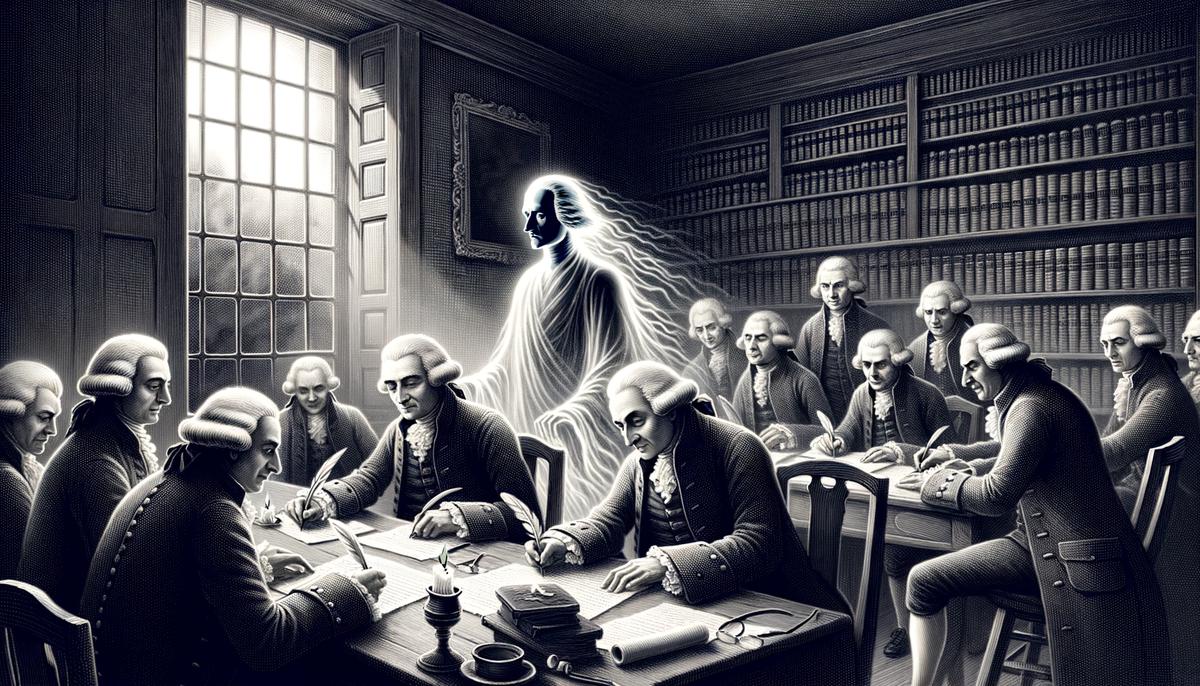
Montesquieu's Influence on Founders
Montesquieu argued for three branches of government: legislative, executive, and judicial. Each branch should wield its own powers. The legislative branch makes laws, the executive enforces them, and the judiciary interprets them. This separation ensures no single entity becomes too powerful....
Read more →