
US Constitution.co
Constitutional Topics
Eighth Amendment and Excessive Fines
The Eighth Amendment originally only applied to the federal government. States had more leeway until the 14th Amendment came along, saying states can't mess with citizens' privileges without due process. In 2015, Indiana tried to take Timbs' $42,000 Land Rover after he sold some heroin. Timbs...
Read more →
Fifth Amendment and Eminent Domain
The Fifth Amendment's Takings Clause stems from common law and natural equity principles. Justice Joseph Story described it as universal law in his "Commentaries on the Constitution of the United States," arguing that without this principle, other rights would be worthless. The government's power...
Read more →
Bill of Rights in Digital Age
Digital rights have become an extension of human rights, encompassing freedom of expression, privacy, and access to online information. The Electronic Frontier Foundation (EFF) has been a vocal advocate in the internet age, alerting the public to fundamental rights violations in cyberspace. These...
Read more →
Bill of Rights and Property Rights
Alexander Hamilton and James Madison viewed property rights as fundamental to individual freedom and a key purpose of government. This shaped the Constitution's Fifth Amendment takings clause, which limits government power by requiring just compensation for private property taken for public use....
Read more →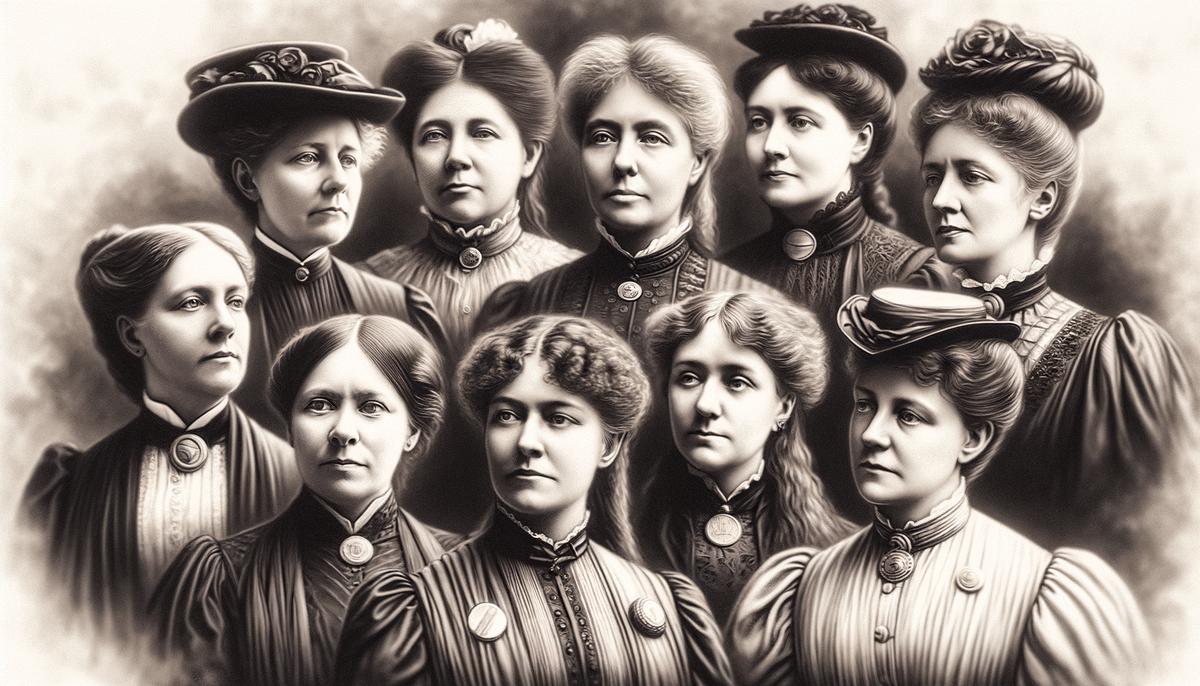
19th Amendment and Women's Suffrage
Elizabeth Cady Stanton and Lucretia Mott organized the Seneca Falls Convention in 1848. They presented the Declaration of Sentiments , demanding equal rights including voting rights. Most attendees were abolitionists frustrated that their own rights were being ignored while fighting for others'...
Read more →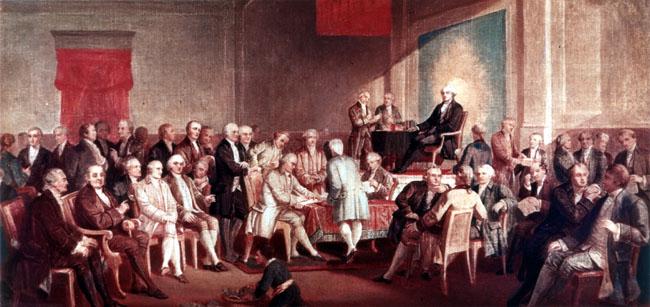
Founders' View on Federalism
The Articles of Confederation were the first attempt at creating a unified government for the new United States. They lacked an Executive or Judicial branch. Congress could declare war and sign treaties but couldn't tax or enforce them. States had their own currencies and prioritized border...
Read more →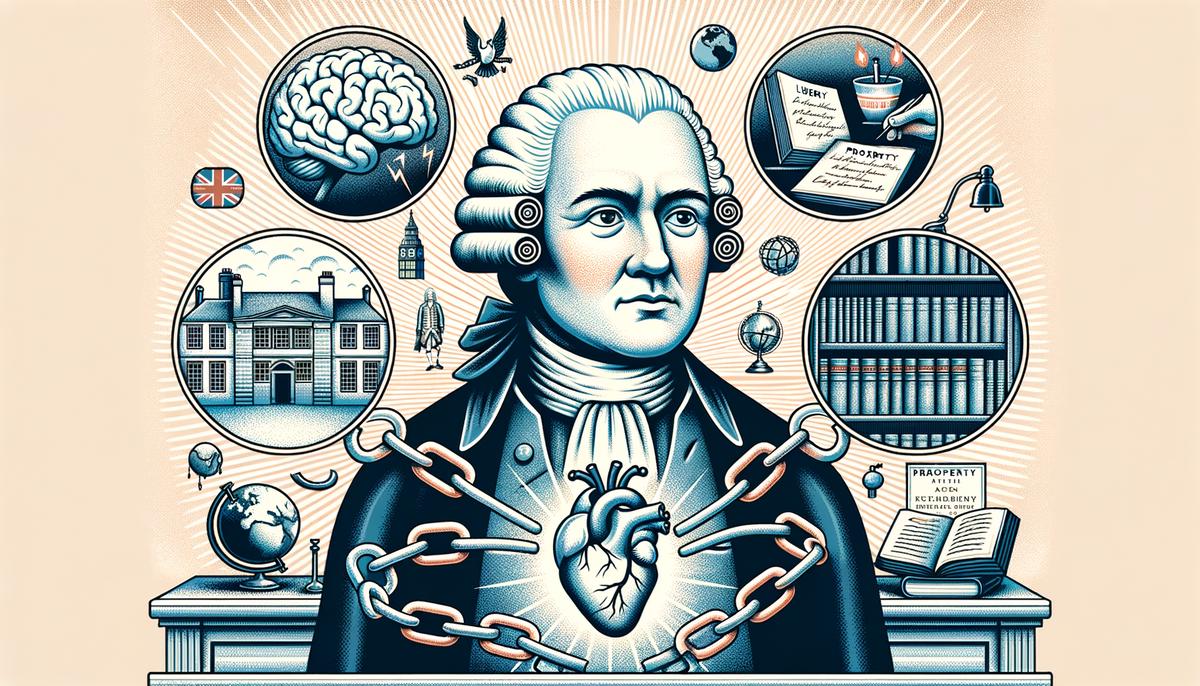
Enlightenment's Impact on Founders
The Founding Fathers drew heavily from Enlightenment philosophers like John Locke , Montesquieu , and Rousseau . Locke's concept of natural rights - life, liberty, and property - influenced Thomas Jefferson's "life, liberty, and the pursuit of happiness" in the Declaration of Independence....
Read more →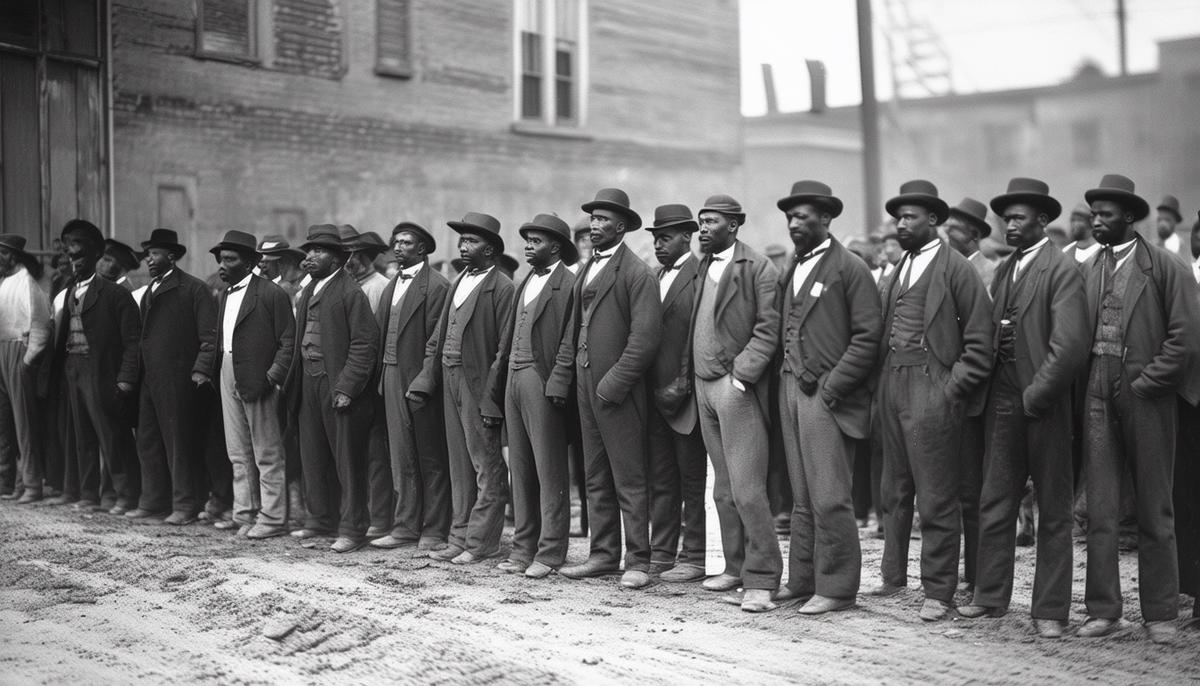
Fifteenth Amendment Voting Rights
The post-Civil War era was chaotic. Reconstruction aimed to address the issues of a fractured nation. Black voting rights were a central concern . Congress debated three versions of the Fifteenth Amendment. They settled on prohibiting voting denial based on race, color, or past slavery. On February...
Read more →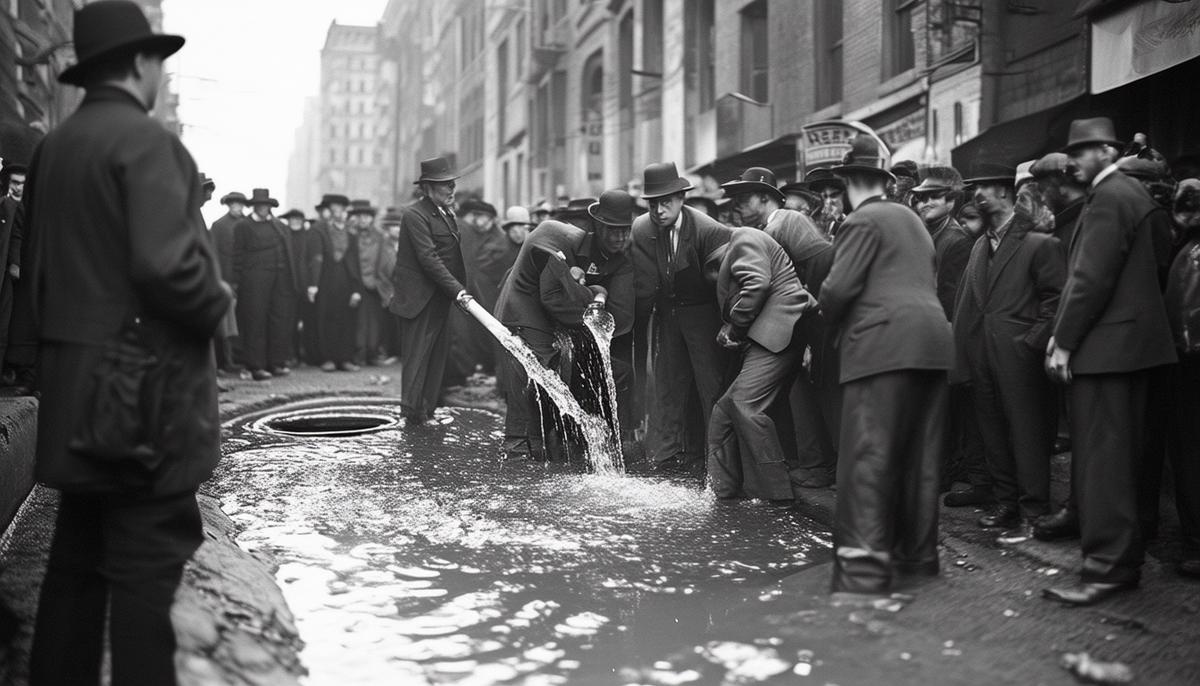
Eighteenth Amendment and Prohibition
The Eighteenth Amendment emerged from decades of temperance movements. Early Americans drank excessively, prompting Protestant Christians to form temperance groups. The Anti-Saloon League , founded in 1893, became a powerful force in the movement. By 1916, Prohibition was a hot topic. The...
Read more →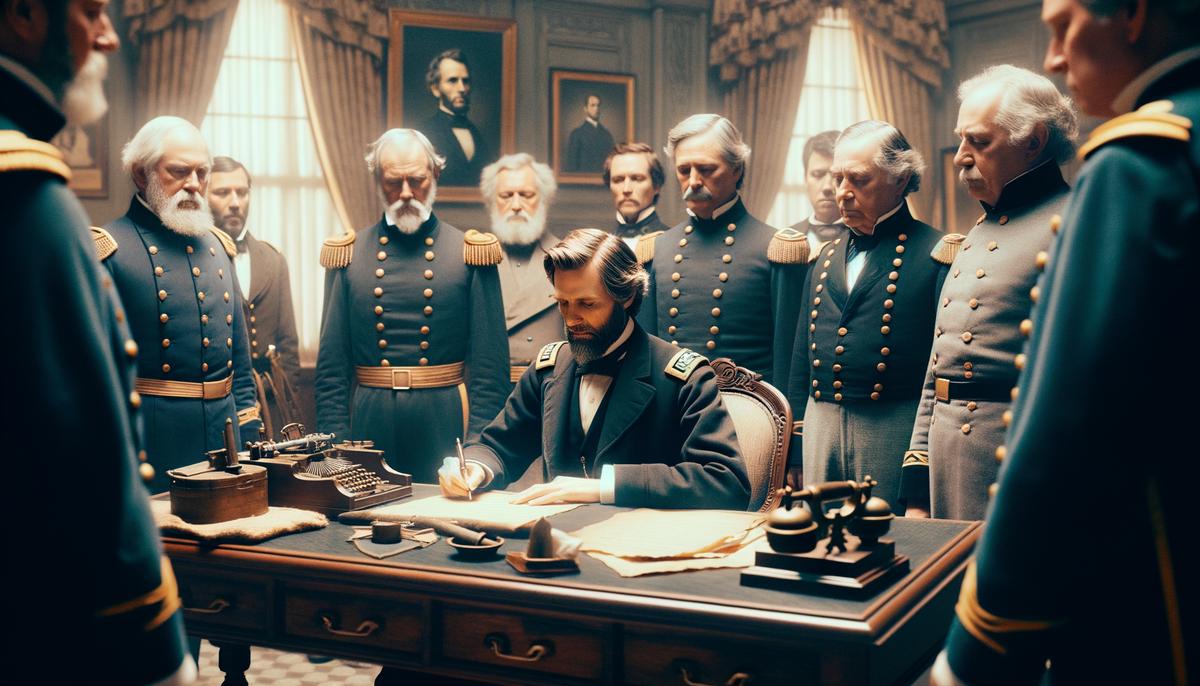
Thirteenth Amendment and Slavery
The Thirteenth Amendment abolished slavery in the United States: "Neither slavery nor involuntary servitude, except as a punishment for crime whereof the party shall have been duly convicted, shall exist within the United States, or any place subject to their jurisdiction." In 1863, President...
Read more →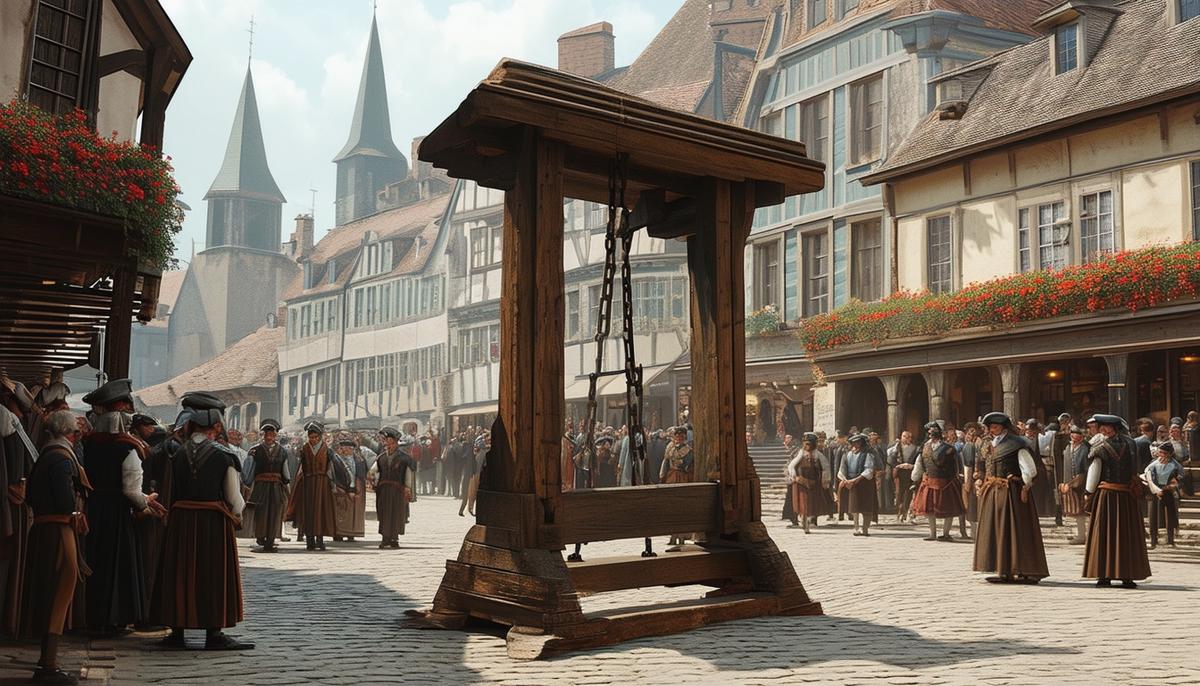
Eighth Amendment Debates
The Eighth Amendment stems from the 1689 English Bill of Rights, aiming to ban harsh punishments like drawing and quartering. The framers wanted to outlaw such medieval practices. During the First Congress, debates over "cruel and unusual punishment" were vague. Representative Livermore questioned...
Read more →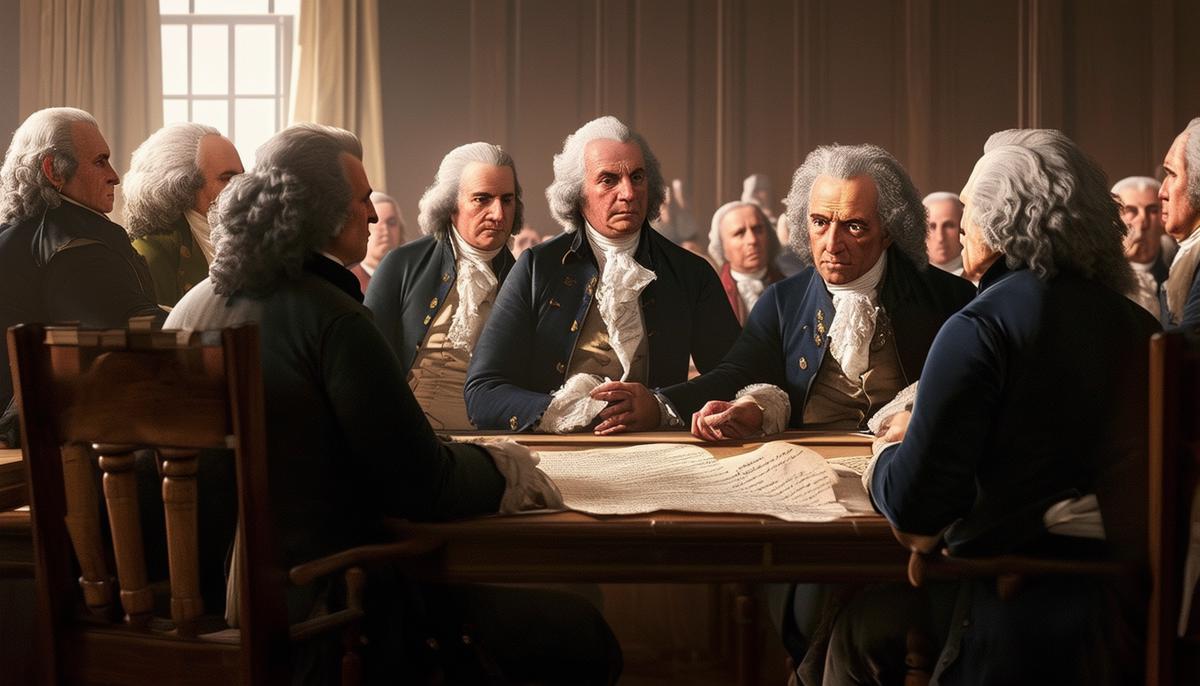
22nd Amendment History
The Framers of the Constitution weren't all on the same page about presidential term limits. Some wild ideas were tossed around in Philadelphia, 1787: Alexander Hamilton suggested a president serving for life, with Congress picking them. James Madison and Gouverneur Morris backed this lifetime...
Read more →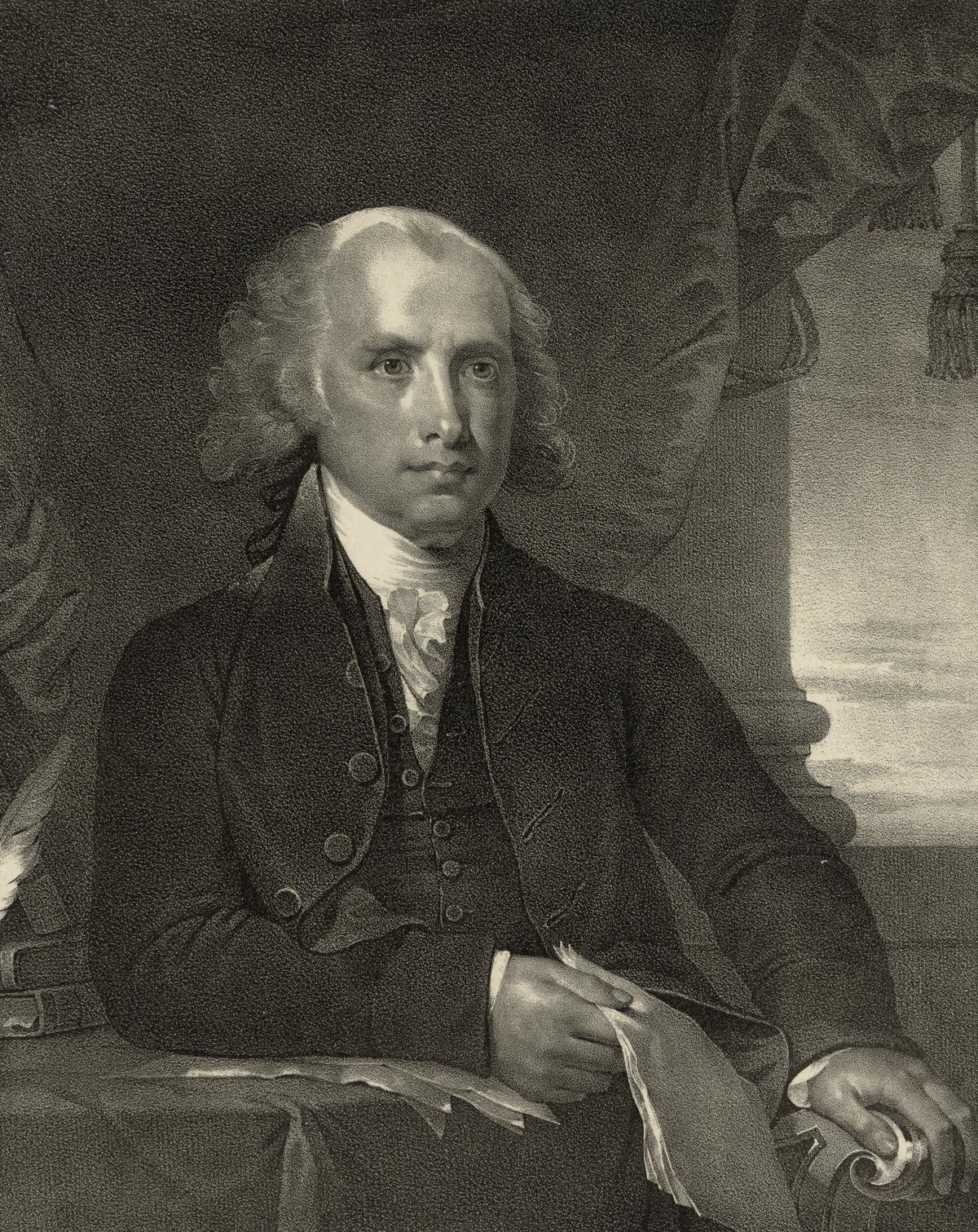
Bill of Rights and Minority Protection
The Bill of Rights emerged because the original U.S. Constitution lacked guarantees of individual liberties. James Madison championed this addition, understanding the critical importance of protecting individual rights . Madison faced opposition while crafting these protections. Conversations with...
Read more →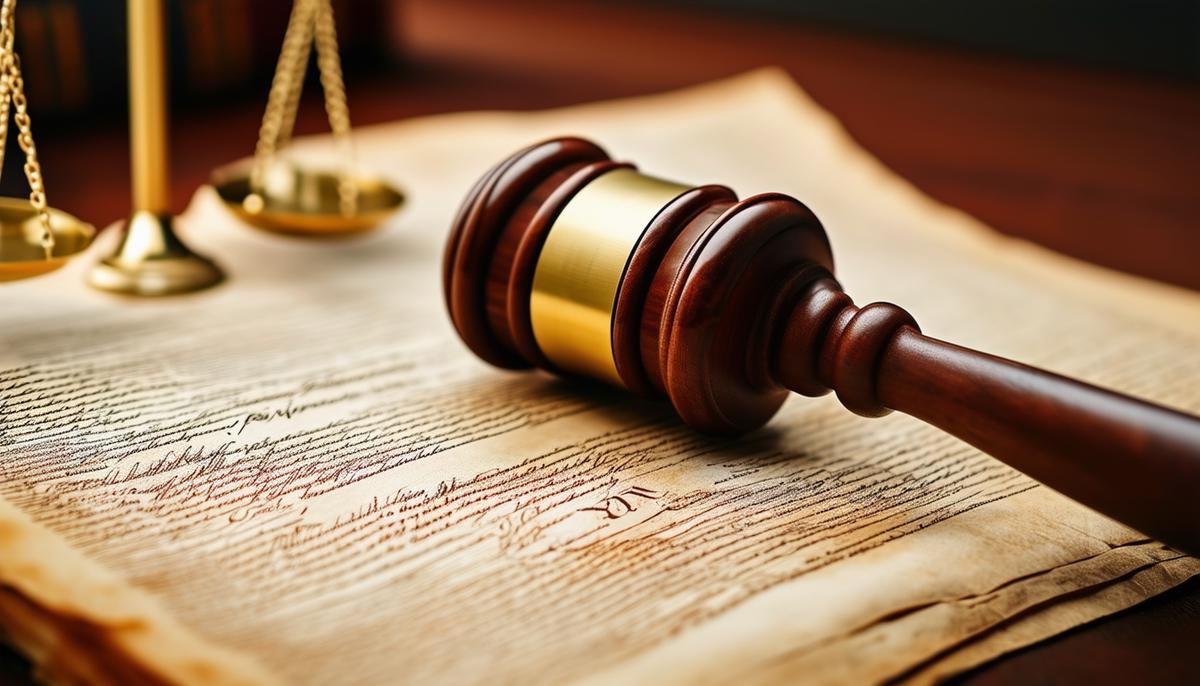
Sixth Amendment Right to Counsel
The Sixth Amendment establishes the right to counsel in criminal proceedings. This right activates when formal proceedings begin, requiring defendants to have legal representation. Key Supreme Court decisions have shaped the scope of this right: Gideon v. Wainwright (1963): Affirmed that states...
Read more →
Incorporation via 14th Amendment
The Fourteenth Amendment emerged in the aftermath of the Civil War in 1866. Congressman John A. Bingham and Senator Jacob Howard spearheaded efforts to extend the Bill of Rights to the states. The amendment's pivotal clause states: "nor shall any state deprive any person of life, liberty, or...
Read more →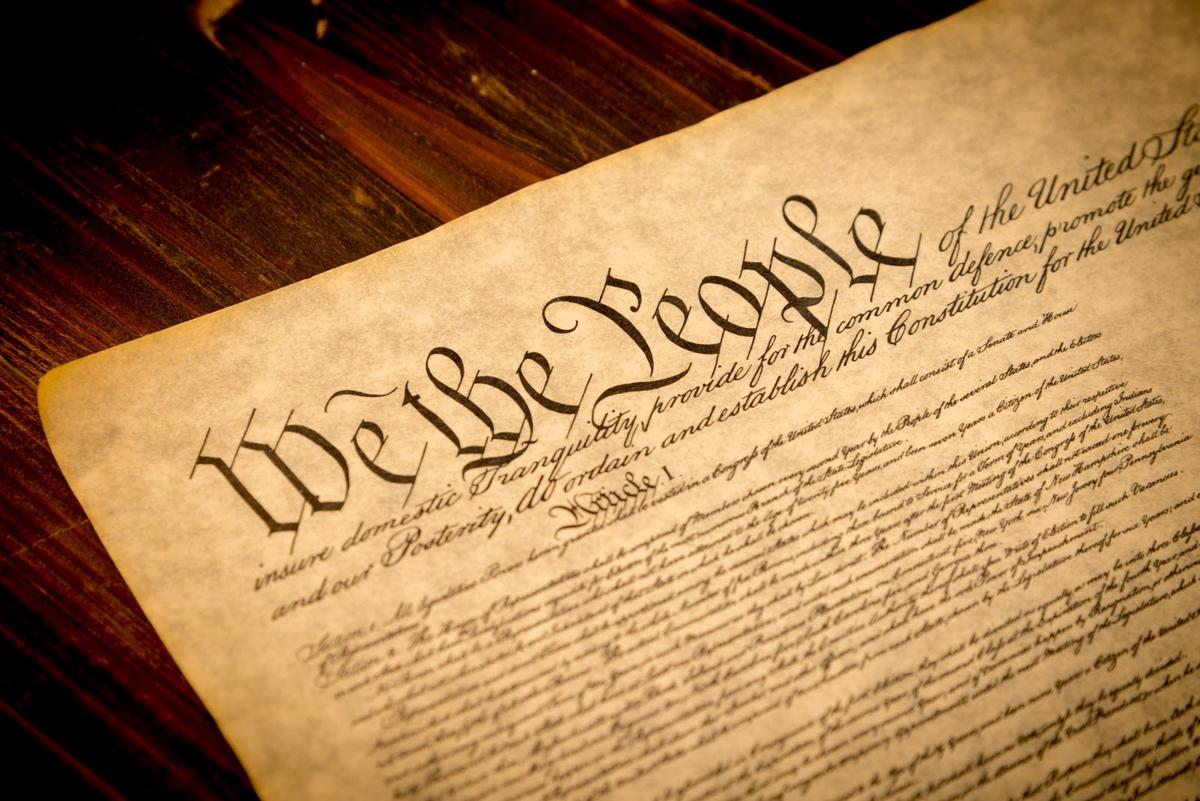
Founders' Debates at the Convention
The Articles of Confederation were a prime example of flawed government design. Each state had one vote, regardless of size or population. This meant small states could block important measures, creating political stalemates. Congress couldn't levy taxes under the Articles. It had to request money...
Read more →
First Amendment Press Freedom
The First Amendment states: "Congress shall make no law... abridging the freedom of speech, or of the press." The framers wanted a press that could challenge authority without fear. Justice Stewart emphasized that the First Amendment distinguished between speech and press, highlighting the press's...
Read more →
Originalist First Amendment Views
Justice Antonin Scalia's originalist approach to the Constitution faced challenges regarding the First Amendment. His respect for precedent alongside his originalism shaped his thinking on free speech issues. In Texas v. Johnson (1989), Scalia voted to protect flag burning as free speech, despite...
Read more →
Juries in the Bill of Rights
Trial by jury has roots in ancient civilizations but took its modern form in medieval England. Henry II standardized it, and by Henry III's time, the accused had some fairness. The Magna Carta of 1215, signed by King John, set the tone for fair trials, stating: "No free man shall be seized or...
Read more →
Bill of Rights in Crisis
Antifederalists insisted on a Bill of Rights to shield against government overreach. They argued certain fundamental rights should always belong to the people and needed explicit statement. They worried the supremacy clause, necessary and proper clause, and general welfare clause would allow...
Read more →