
US Constitution.co
Constitutional Topics
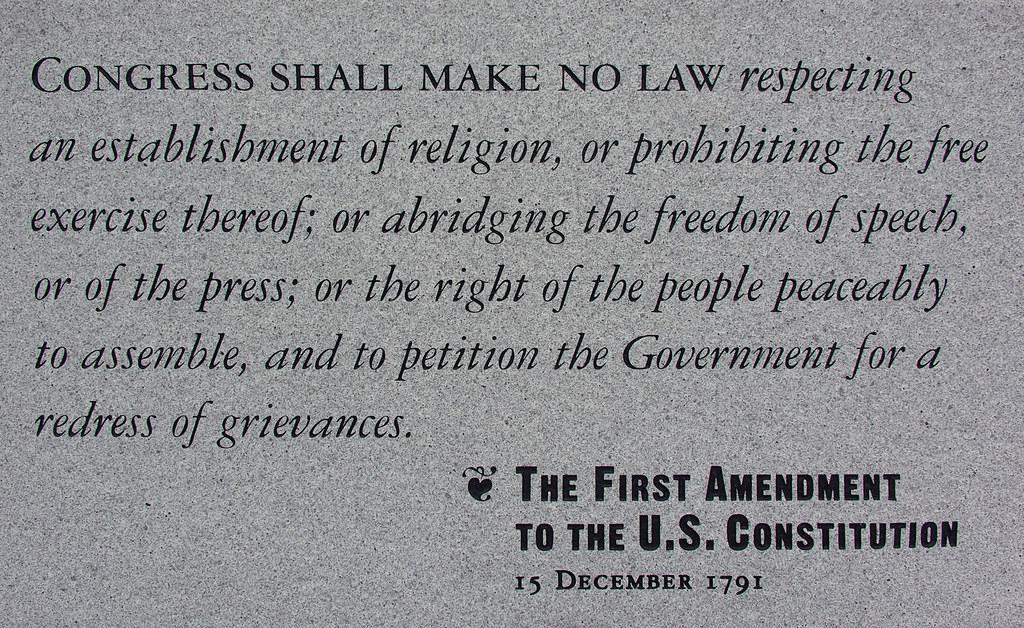
Religious Liberty in the Bill of Rights
The Founding Fathers wanted to keep government out of religion and vice versa. The First Amendment states: "Congress shall make no law respecting an establishment of religion, or prohibiting the free exercise thereof." Key Supreme Court decisions on religious liberty include: Reynolds v. United...
Read more →
Common Law's Influence on Founders
William Blackstone's Commentaries on the Laws of England became the playbook for America's Founders. It broke down legal chaos into four categories: Rights of persons Rights of things Private wrongs (torts) Public wrongs (crimes) It preached that life, liberty, and property were pillars of a...
Read more →
Bill of Rights in Education
The Supreme Court has established key precedents governing student rights in schools: Tinker v. Des Moines (1969) : Students wearing black armbands to protest the Vietnam War. The Court ruled that students retain constitutional rights in school, and expression can't be suppressed unless it causes...
Read more →
Second Amendment Challenges
District of Columbia v. Heller in 2008 declared the right to keep and bear arms an individual right. Justice Scalia's majority opinion stated the Second Amendment protects an individual's right to possess a firearm for lawful purposes like self-defense at home. McDonald v. City of Chicago in 2010...
Read more →
Eleventh Amendment and State Immunity
The Eleventh Amendment emerged from debates during the Constitution's ratification. Anti-Federalists worried Article III would allow federal courts to hear disputes involving states and citizens from other states or foreign nations. Federalists tried to allay these concerns, but skepticism...
Read more →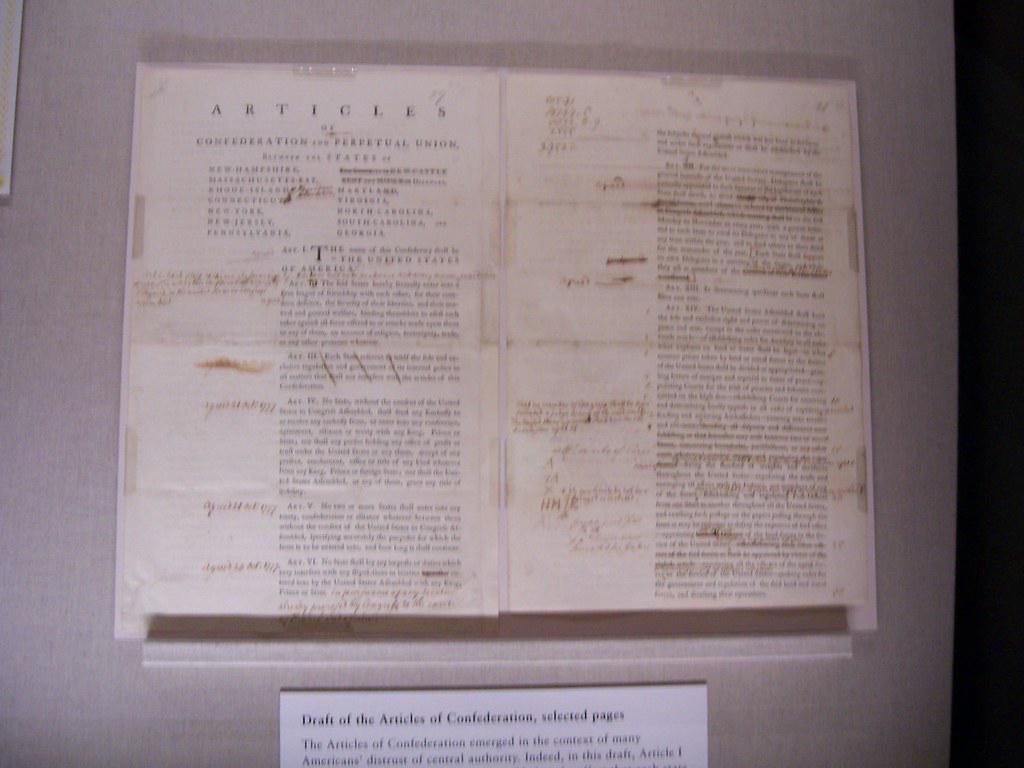
Federalists vs Anti-Federalists Debate
The Articles of Confederation, while a crucial step in American governance, had several major flaws that ultimately led to its replacement: Lack of taxation power: Congress couldn't tax, leaving the federal government without funds. Limited commerce regulation: No power to regulate foreign or...
Read more →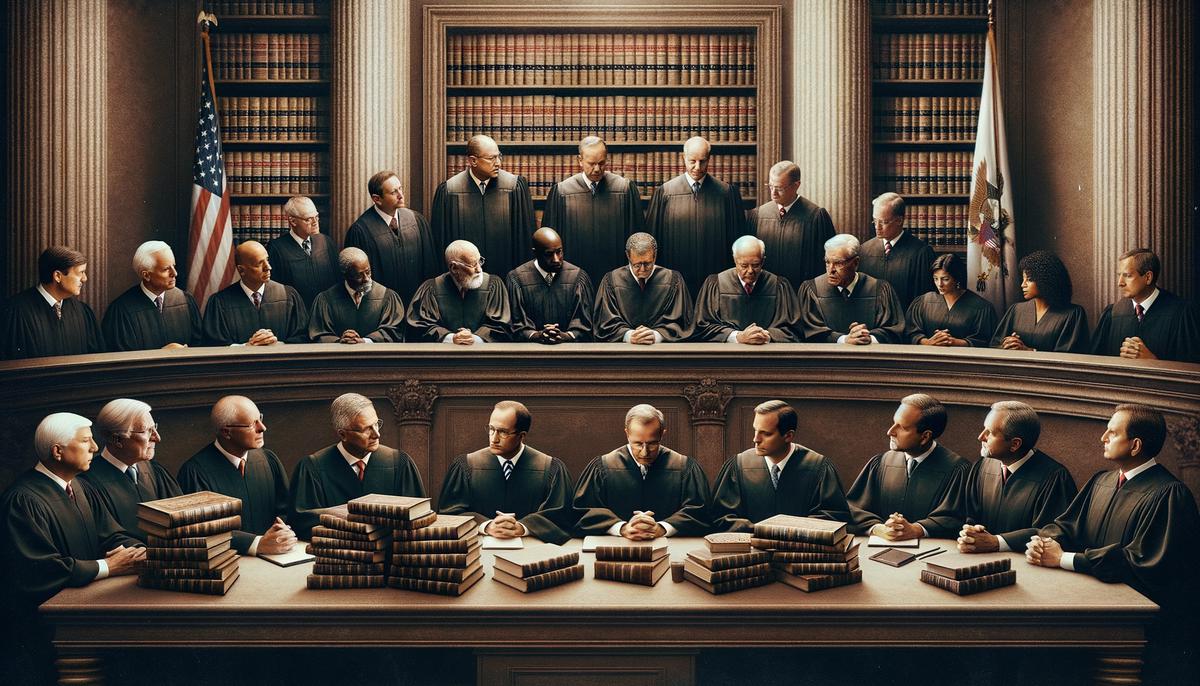
First Amendment vs. Hate Speech
U.S. law doesn't have a "hate speech" category. Under the First Amendment, almost all speech is protected. Hate speech can only be criminalized when it incites imminent unlawful action or constitutes a "true threat." True threats include specific statements that put individuals or groups in clear...
Read more →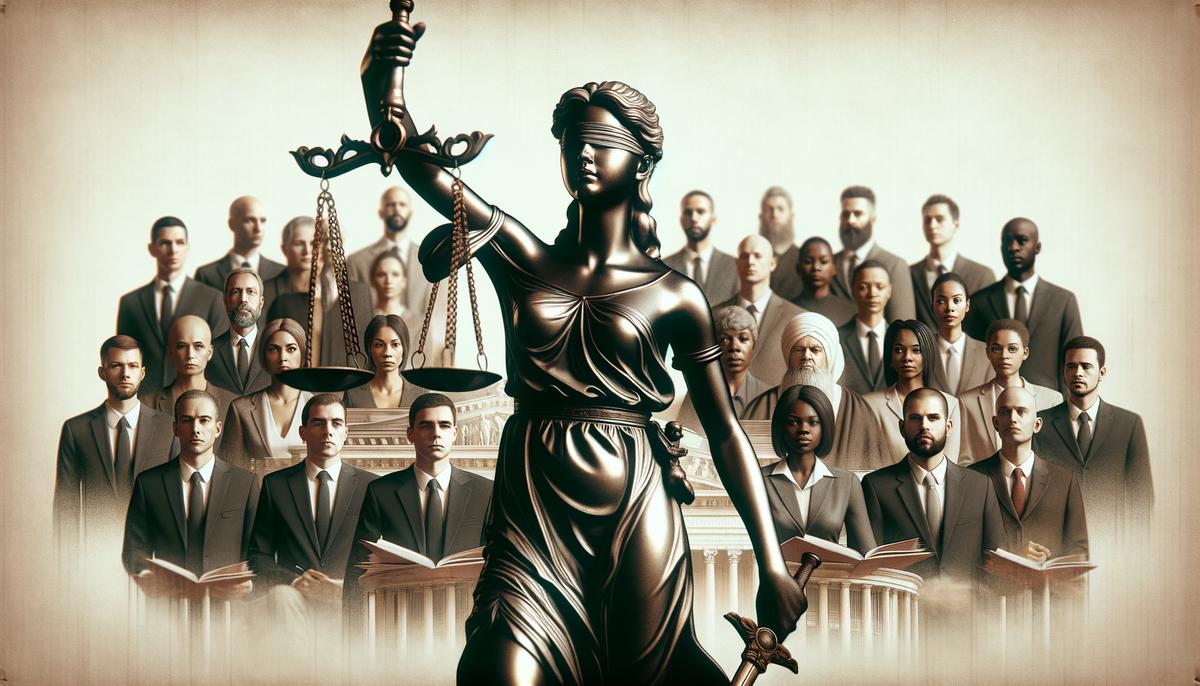
Sixth Amendment Jury Rights
The Sixth Amendment guarantees an impartial jury. This means a jury from a representative cross-section of the community. To challenge jury selection, a defendant must prove the group's distinct, underrepresented, and systematically excluded. Bias in jury pools is a serious concern. Courts must...
Read more →
Tenth Amendment and States' Rights
The Tenth Amendment , ratified in 1791, states that powers not delegated to the federal government or prohibited to the states are reserved to the states or the people. It was added to address concerns about potential federal overreach. During the Constitution's ratification, Federalists argued...
Read more →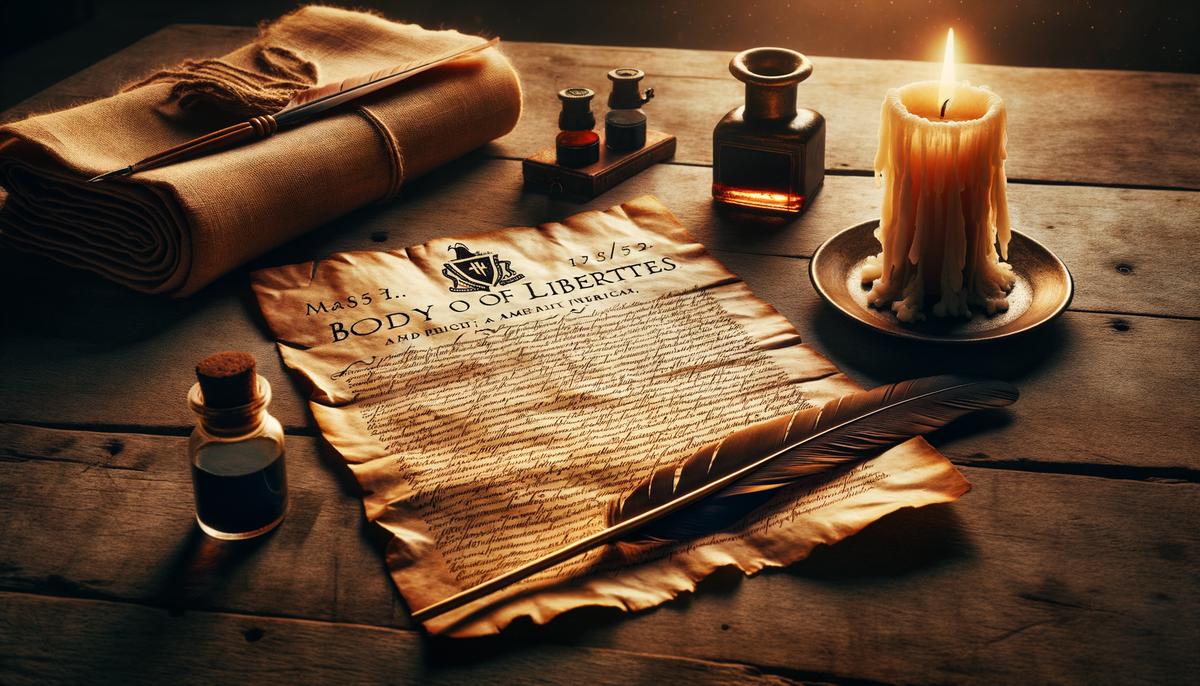
Fifth Amendment Double Jeopardy
English common law shaped early American views on individual rights and government power. Colonists opposed trials without proper legal protections, having witnessed harsh trials and double jeopardy threats in England. The Massachusetts Body of Liberties in 1641 included a clause essentially...
Read more →
Fifth Amendment Due Process
Double jeopardy prevents being tried twice for the same crime. The Fifth Amendment protects against this, sparing individuals from repeated trials. It's a key safeguard in our justice system. There are exceptions: Mistrials or successful appeals can lead to retrial Federal and state governments can...
Read more →
Anti-Federalist Papers Arguments
The Anti-Federalists opposed centralized power, particularly the Necessary and Proper Clause and the Supremacy Clause . Brutus No. 1 argued that the Necessary and Proper Clause gave Congress too much power, potentially overriding state laws on taxation and debt collection. The Supremacy Clause...
Read more →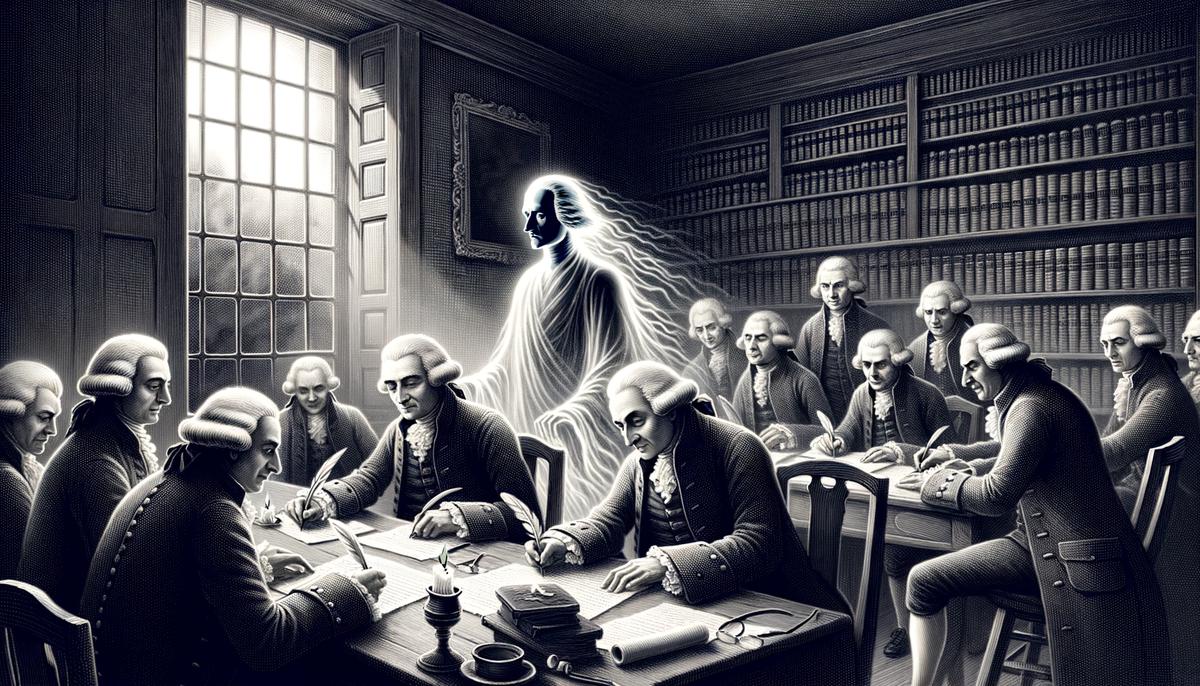
Montesquieu's Influence on Founders
Montesquieu argued for three branches of government: legislative, executive, and judicial. Each branch should wield its own powers. The legislative branch makes laws, the executive enforces them, and the judiciary interprets them. This separation ensures no single entity becomes too powerful....
Read more →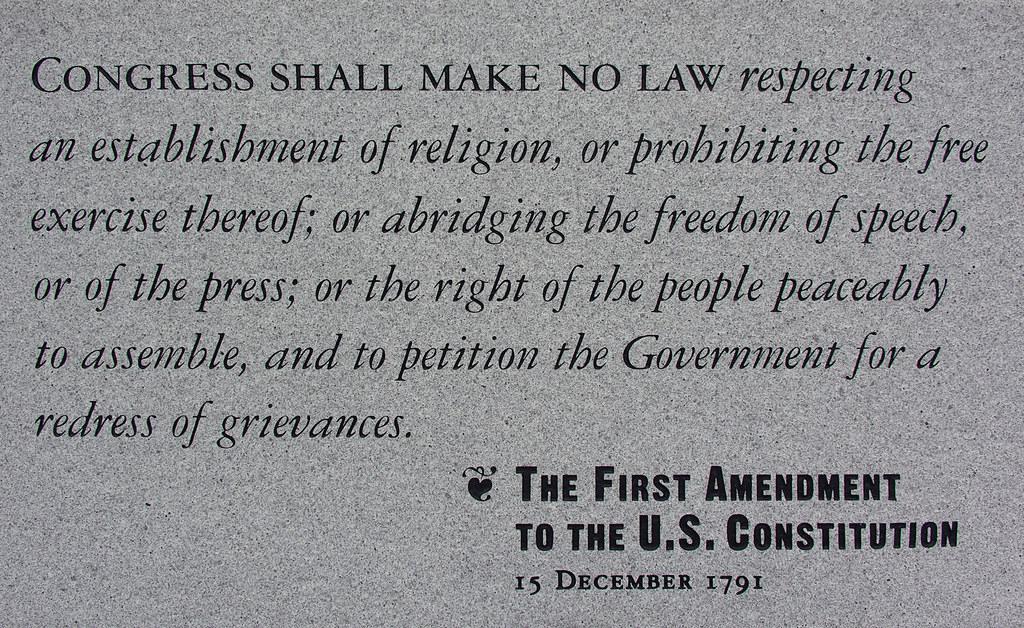
The Right to Petition in Congress
The right to petition the government traces back to foundational documents like the Magna Carta. Enshrined in the First Amendment, it has shaped democratic practices and ensured citizens have a direct line to lawmakers. However, as society evolves, so must our methods of engaging with this freedom....
Read more →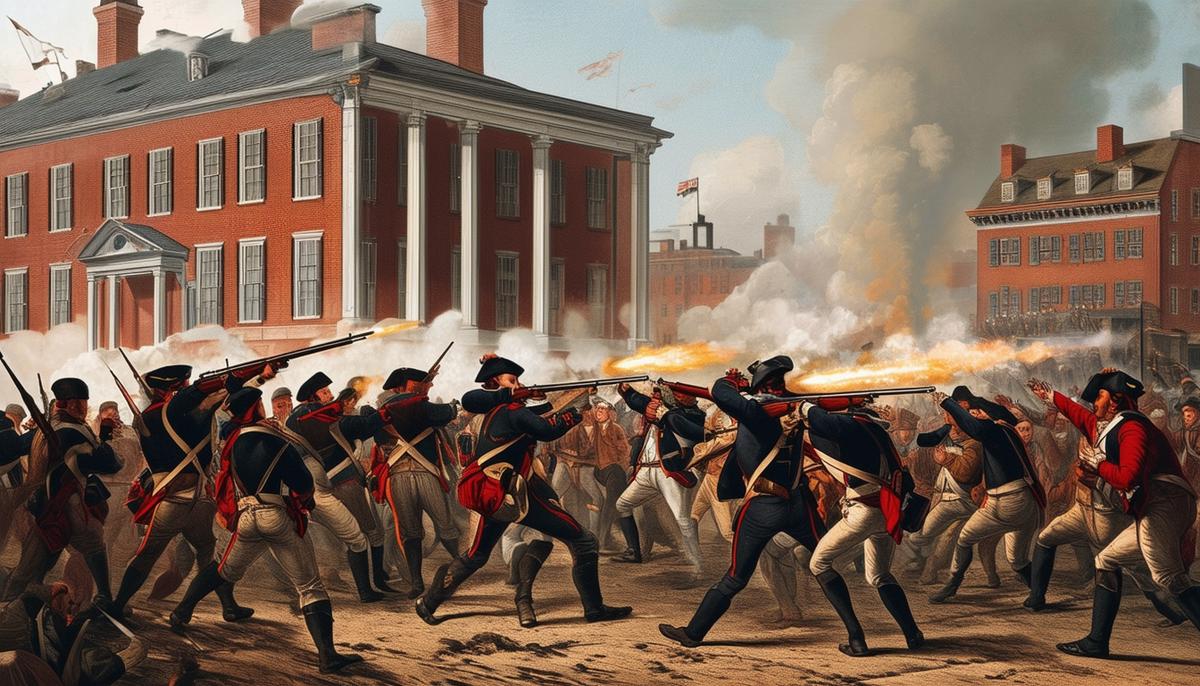
Third Amendment Relevance Today
The Third Amendment, often overlooked, has a significant history rooted in British quartering practices. These practices were contentious enough to be mentioned in the Declaration of Independence . Colonists resented the presence of British soldiers in their homes, seeing it as a violation of...
Read more →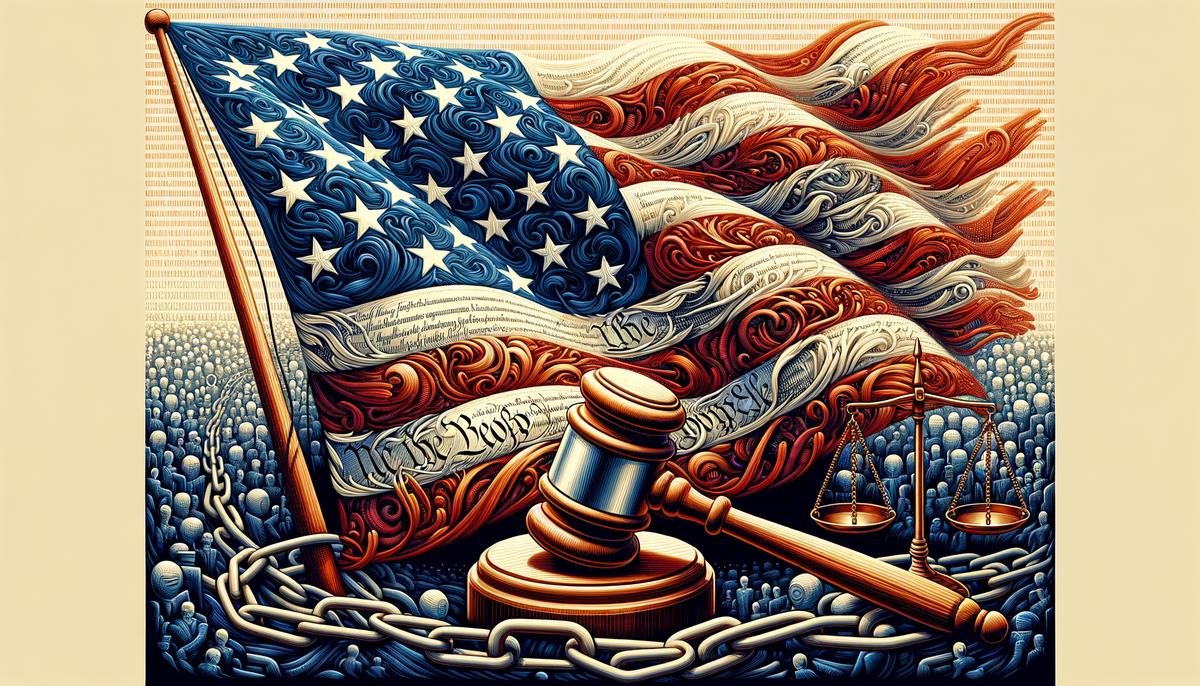
Fifth Amendment Self-Incrimination
The Fifth Amendment's self-incrimination clause emerged from a clash between accusatorial and inquisitorial systems in old English law. The accusatorial system used grand and petit juries, while the inquisitorial system, from ecclesiastical courts, involved forced oaths and self-accusation. This...
Read more →
Second Amendment Rights Debate
The Second Amendment's authors were influenced by English law and colonial history, wary of government overreach. Federalists argued for a strong central government, while Anti-Federalists emphasized state militias as defense against potential federal tyranny. "A well regulated Militia, being...
Read more →