
US Constitution.co
US Constitution.co
The U.S. Constitution
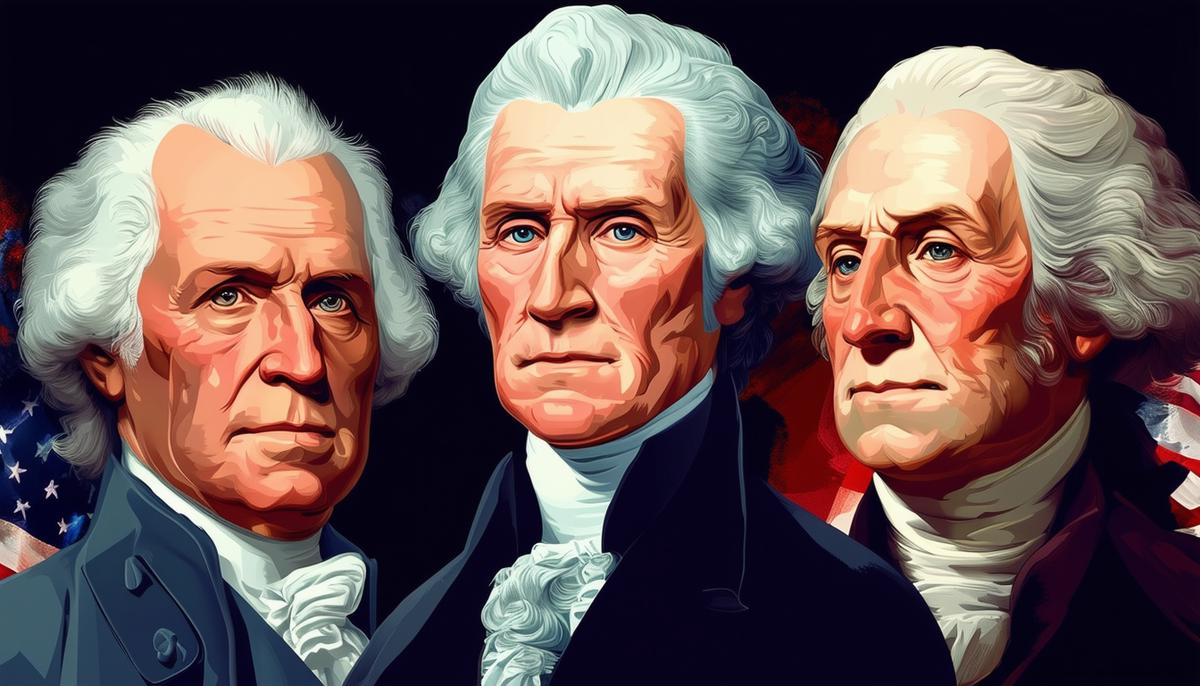
Presidents Ranked by IQ Scores
John Quincy Adams, with an estimated IQ of 175, was a Harvard graduate who mastered seven languages . As Secretary of State under James Monroe, he played key roles in shaping policies like the Monroe Doctrine and the Treaty of Ghent. Known for his oratory skills, Adams' intellectual prowess was...
Read more →First Amendment and Whistleblowers
Whistleblower protection in the United States has evolved through legislation and court cases. The False Claims Act of 1863 allowed whistleblowers to sue on behalf of the government and share in recovered damages. The Whistleblower Protection Act of 1989 protected federal employees disclosing...
Read more →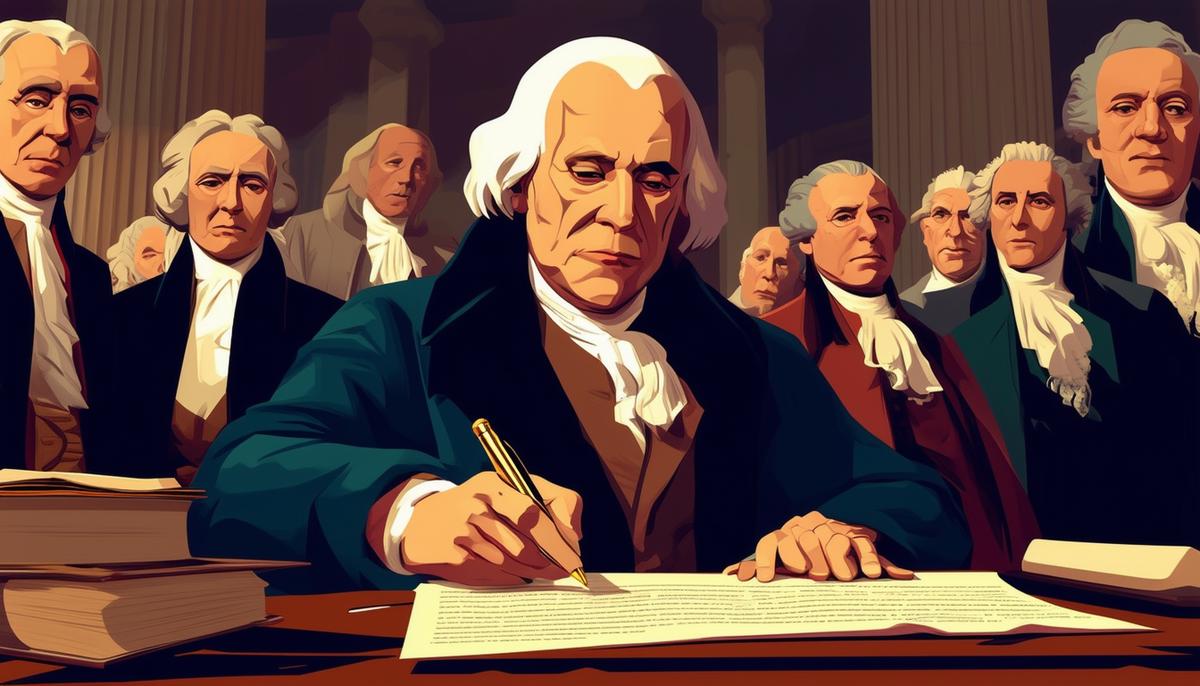
27th Amendment and Congressional Pay
James Madison proposed twelve amendments in 1789. Ten became the Bill of Rights, while one lingered - the future 27th Amendment. Its premise: no pay raises for Congress without an election intervening . Benjamin Franklin cautioned about giving Congress control over its finances, fearing...
Read more →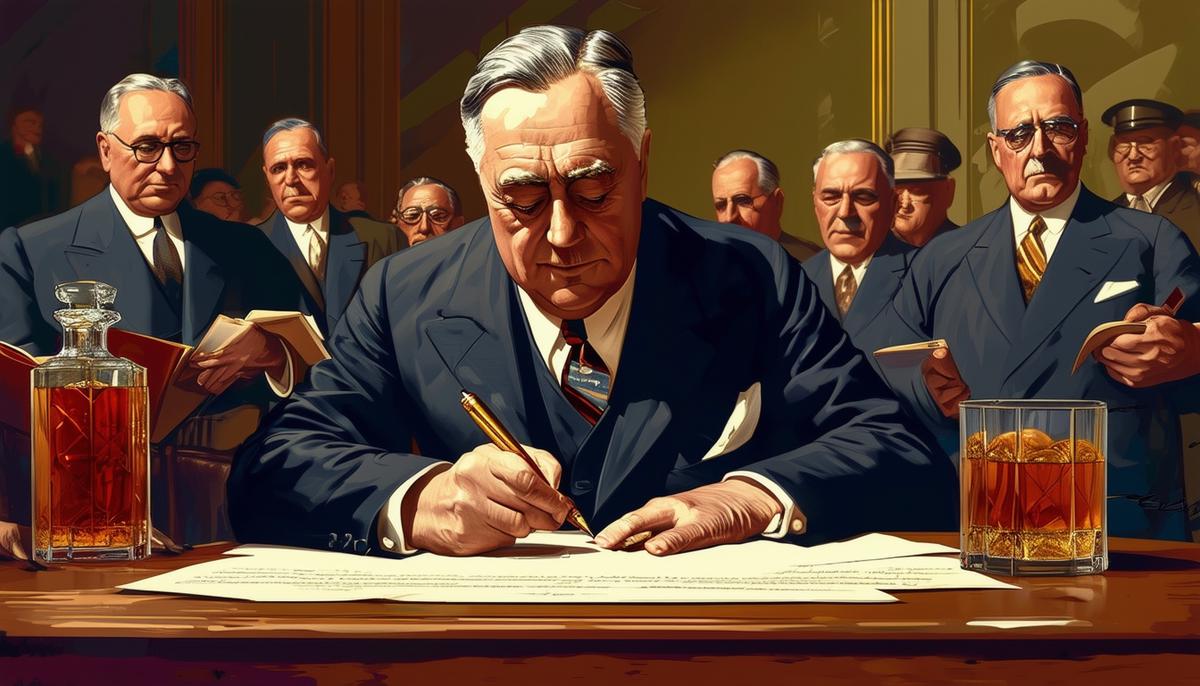
Repeal of Prohibition: 21st Amendment
The Eighteenth Amendment, ratified in 1919, marked the triumph of the temperance movement after a century of activism. The Anti-Saloon League and Protestant women were key drivers, motivated by alcohol's negative impacts on families. Temperance advocates initially aimed for moderation but...
Read more →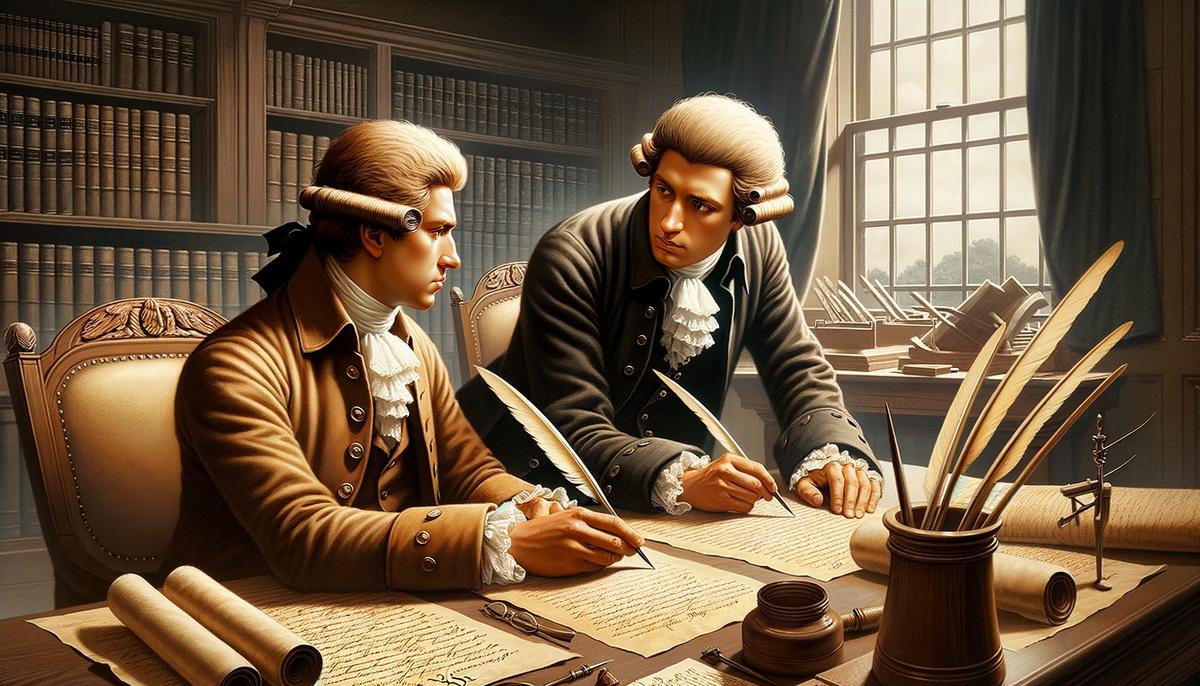
First Amendment Free Speech
The First Amendment emerged from rebellion against English laws suppressing dissent. Jefferson and Madison opposed the Alien and Sedition Acts of 1798, which targeted critics of President John Adams. Ratified in 1791, the First Amendment shifted power from government to people, highlighting...
Read more →
Amending the U.S. Constitution
Article V of the U.S. Constitution outlines how to propose and ratify changes to our founding document. It's not a simple process. To propose an amendment via Congress, a two-thirds supermajority in both the House and Senate is required. That's 67 out of 100 Senators and 290 out of 435...
Read more →
Founders' Separation of Powers
James Madison recognized the dangers of unchecked power. At the College of New Jersey, he studied classical politics and Enlightenment ideas. By 1787, he was ready to overhaul the Articles of Confederation. Madison's Virginia Plan proposed a bicameral legislature, national executive, and judiciary....
Read more →
Sixth Amendment Speedy Trial Right
The Sixth Amendment guarantees rights in criminal prosecutions, including a speedy trial . The definition of "speedy" has been debated since 1791. Historically, trials were quicker due to simpler circumstances. Today, landmark interpretations have shaped our understanding. Barker v. Wingo (1972)...
Read more →
Ninth Amendment Privacy Rights
During the Constitution's ratification, Federalists and Anti-Federalists clashed. The Federalists, led by James Madison, wanted ratification without a bill of rights, arguing it might imply the government could violate unlisted rights. Anti-Federalists demanded explicit rights to prevent overreach....
Read more →
Ninth Amendment Rights
The Constitution's ratification debates saw Federalists like James Wilson argue against a Bill of Rights, fearing it would imply no other rights existed. Anti-Federalists demanded it to safeguard freedoms. James Madison proposed amendments carefully, initially wanting rights integrated into the...
Read more →
Founders' Views on Education and Civic Virtue
The Founding Fathers emphasized civic duty as essential for the republic's survival. They believed responsible citizenship, adherence to laws, and active involvement in public affairs were crucial. Education was seen as vital for creating an informed electorate capable of safeguarding liberty....
Read more →
25th Amendment and Succession
Presidents like James Garfield and Woodrow Wilson faced incapacitation that left the country uncertain. Garfield spent 80 days in a coma , while Wilson's last year and a half were affected by a severe stroke. The Constitution was unclear on who had the authority to declare a president unable to...
Read more →
First Amendment: Freedom of Speech
The First Amendment was born from states' demands for explicit constitutional guarantees of essential freedoms. James Madison crafted it, inspired by the Virginia Declaration of Rights. New York and other states refused to ratify the Constitution without a Bill of Rights. The amendment begins,...
Read more →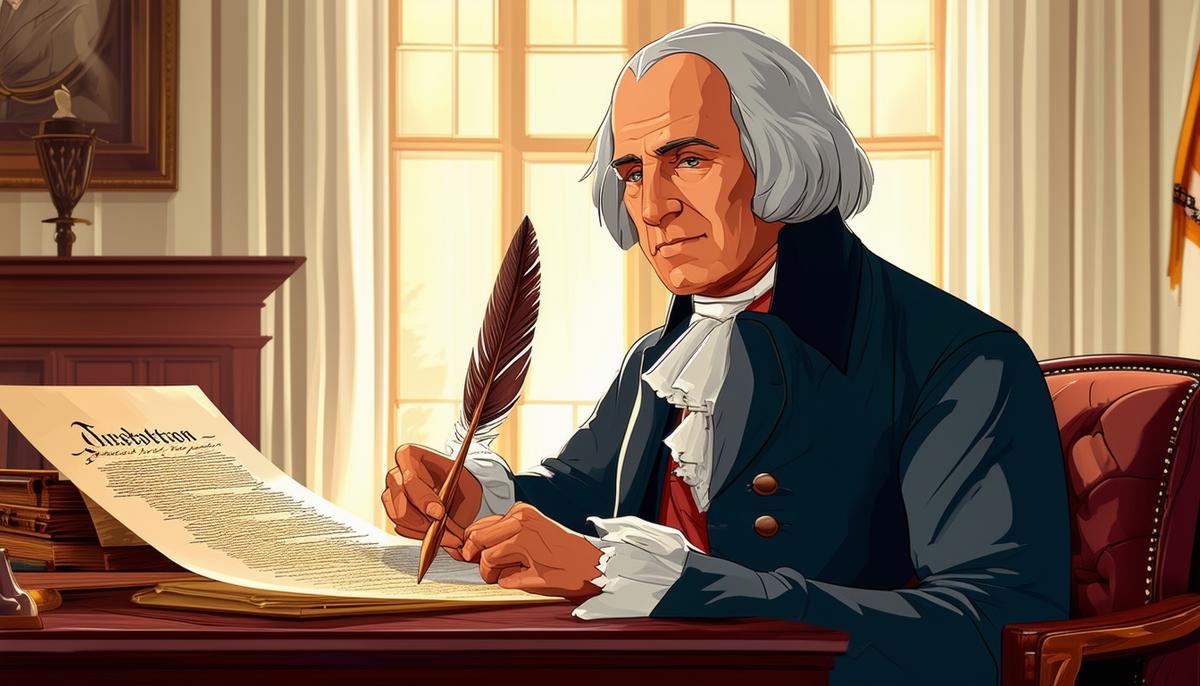
James Madison and the Bill of Rights
James Madison initially opposed the Bill of Rights. He argued it was unnecessary and potentially harmful , viewing the Constitution as already limiting government powers through its structure. Madison worried listing specific rights might imply unmentioned rights weren't protected, or lead the...
Read more →
Nineteenth Amendment Impact
Elizabeth Cady Stanton and Susan B. Anthony felt betrayed by the 15th Amendment, viewing it as a half-measure that gave Black men the vote but left women disenfranchised. Their fallout with Frederick Douglass was notable, with Stanton using racial slurs and Anthony supporting her. Douglass argued...
Read more →
James Wilson's Constitutional Role
James Wilson emerged as a pivotal figure at the Constitutional Convention, championing several key ideas: Advocated for a single executive , countering Virginia's proposal for a three-person executive Championed the Electoral College as an alternative to direct popular voting Proposed the...
Read more →
Tenth Amendment in Modern Federalism
The Tenth Amendment emerged from debates at the Constitutional Convention about power distribution between federal and state governments. Federalists like Alexander Hamilton wanted a strong central government, while Anti-Federalists like Thomas Jefferson sought to preserve state power. The...
Read more →
Bill of Rights vs. Federal Power
The original Constitution lacked a comprehensive bill of rights, despite most states having them. The Constitutional Convention delegates voted against including one, believing it unnecessary and potentially risky. They argued the federal government only had powers granted by the Constitution, so...
Read more →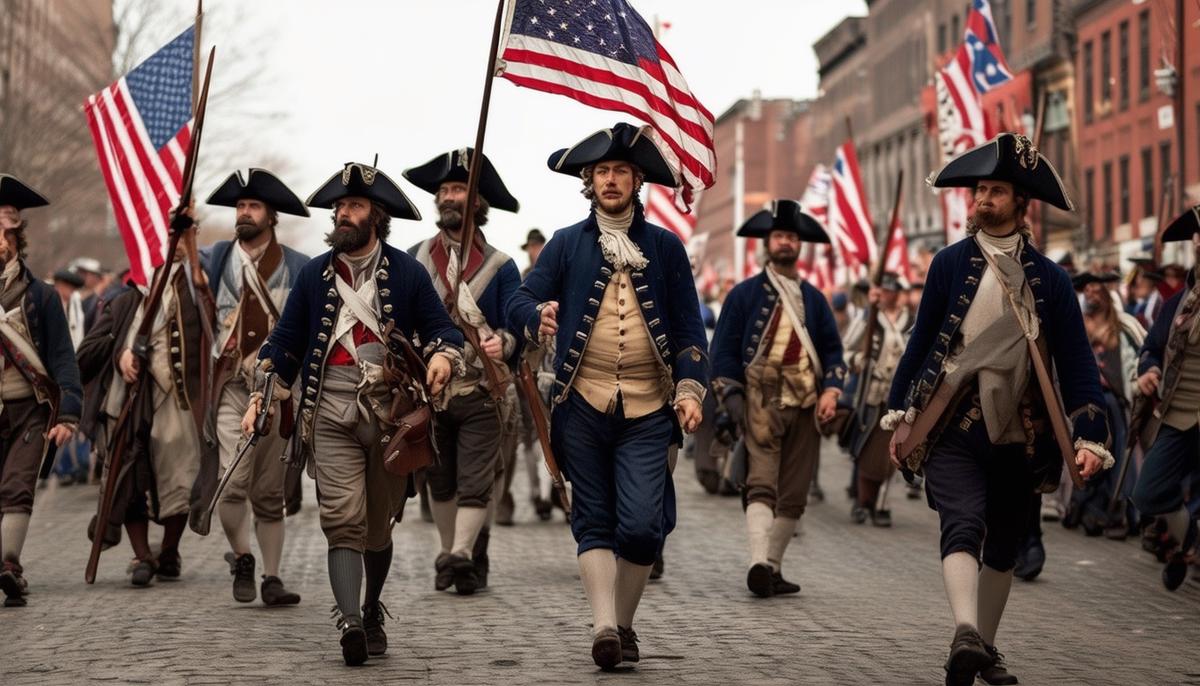
Samuel Adams and Sons of Liberty
The Sons of Liberty emerged from the Loyal Nine in 1765. This group of Boston patriots, including Benjamin Edes and Samuel Adams , opposed the Stamp Act which taxed paper goods. They targeted Andrew Oliver, the stamp collector, demanding his resignation. Oliver quit publicly before 2,000 people. In...
Read more →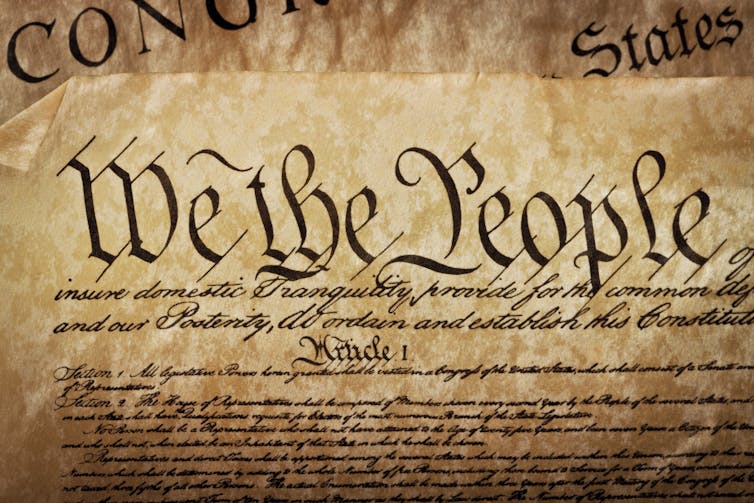
Founding Fathers on Civic Duty
Popular sovereignty is the core of civic duty. The government serves the people's will and needs. Federalism divides power between state and national levels to prevent dominance. Separation of powers creates a system of checks and balances among Legislative, Executive, and Judicial branches. The...
Read more →