
US Constitution.co
US Constitution.co
The U.S. Constitution
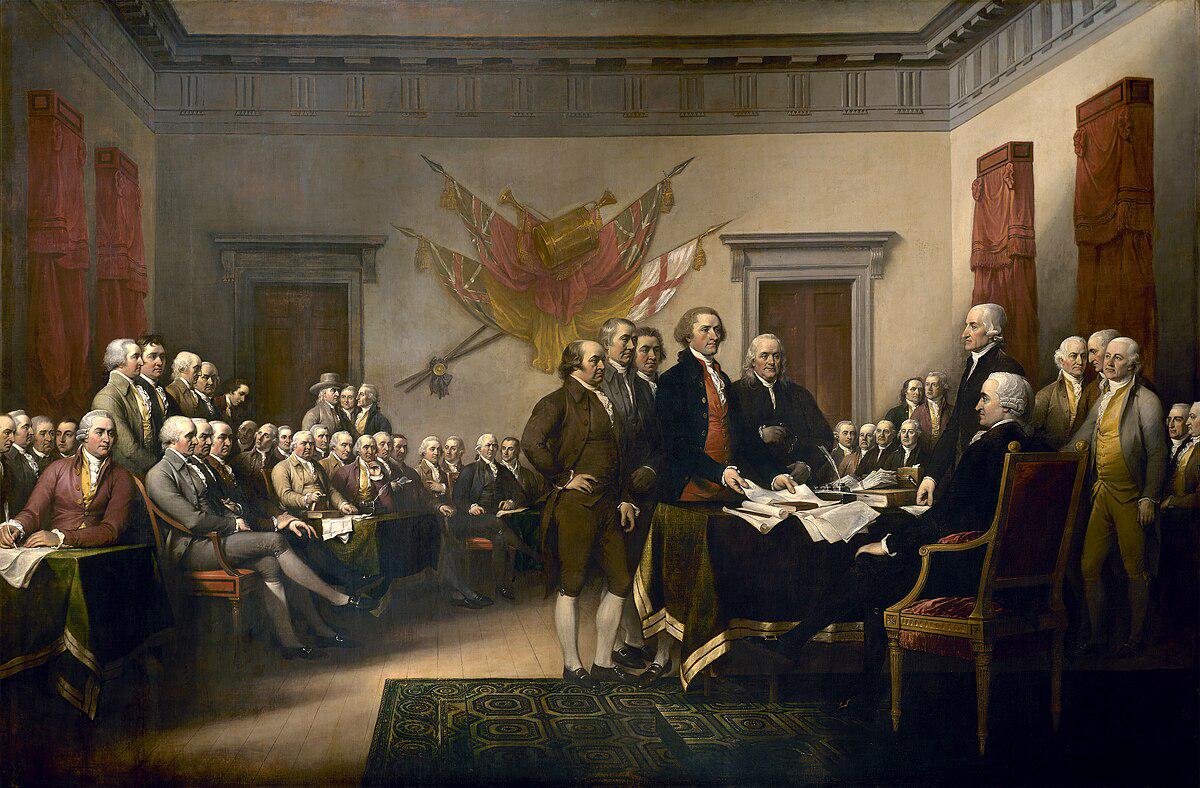
First Amendment Right to Assemble
The right to assemble has roots in the Magna Carta of 1215, which introduced the idea of pushing back against monarchs. The 1689 English Bill of Rights clarified the right to petition the King. The First Amendment to the U.S. Constitution states: "Congress shall make no law... abridging the right...
Read more →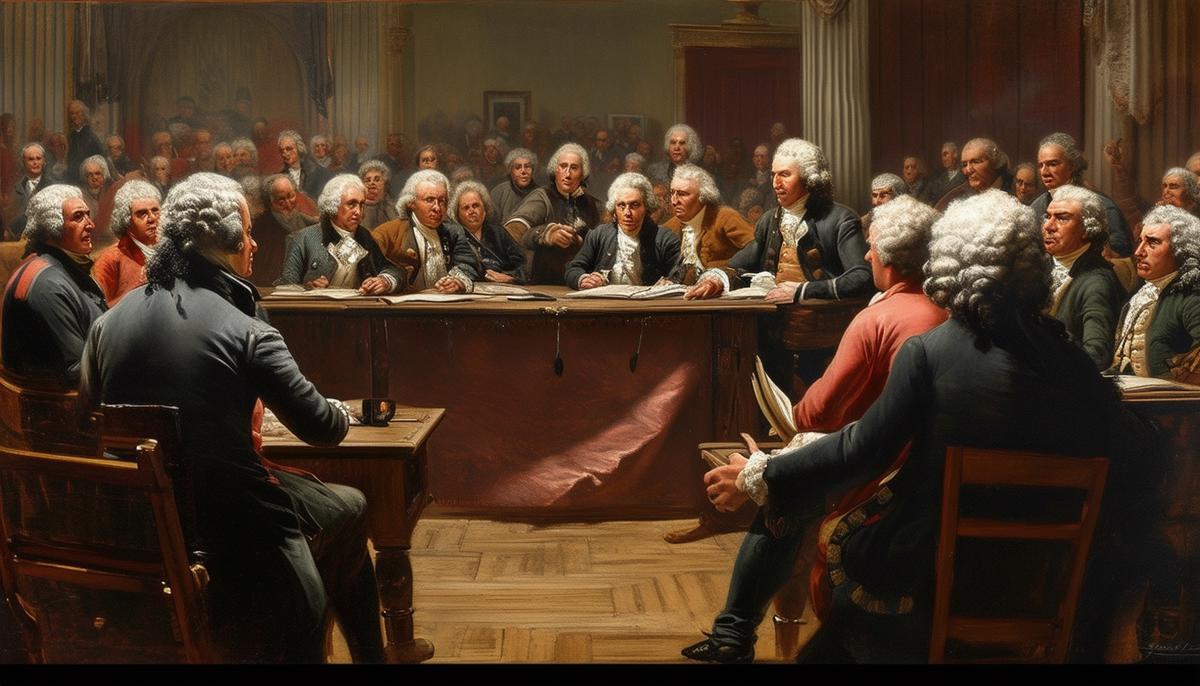
Ninth Amendment Rights
The Constitutional Convention of 1787 saw heated debates over the need for a Bill of Rights. Federalists argued that enumerating rights was unnecessary and risky, while Anti-Federalists demanded explicit protections against government overreach. James Madison proposed a compromise that became the...
Read more →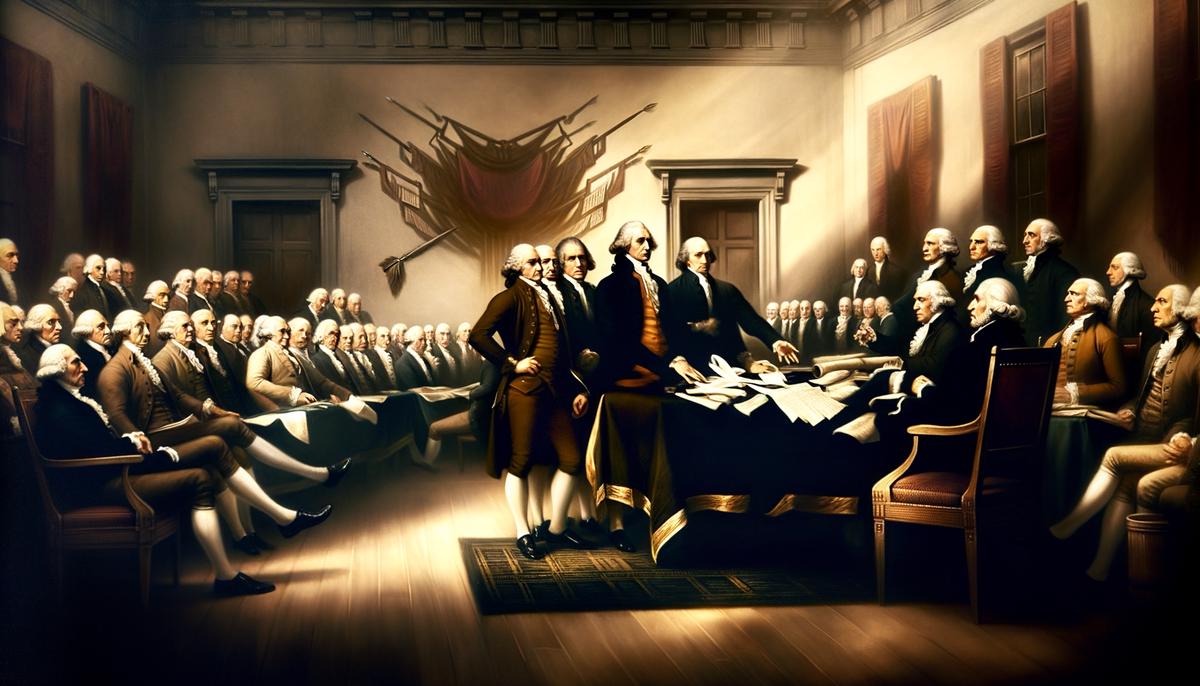
Founders' Vision of Republicanism
Republicanism, as envisioned by the Founding Fathers, revolves around core principles. The power of government lies in the hands of the people through representative democracy. Elections are crucial, with George Washington setting a precedent by stepping down after two terms. Representatives are...
Read more →
Eleventh Amendment Limits
Chisholm v. Georgia was highly controversial . When a South Carolina man tried to make Georgia pay its debts, Georgia reacted strongly. The Court's 1793 decision to allow this suit led directly to the Eleventh Amendment. Anti-Federalists had worried about such scenarios, fearing states would face...
Read more →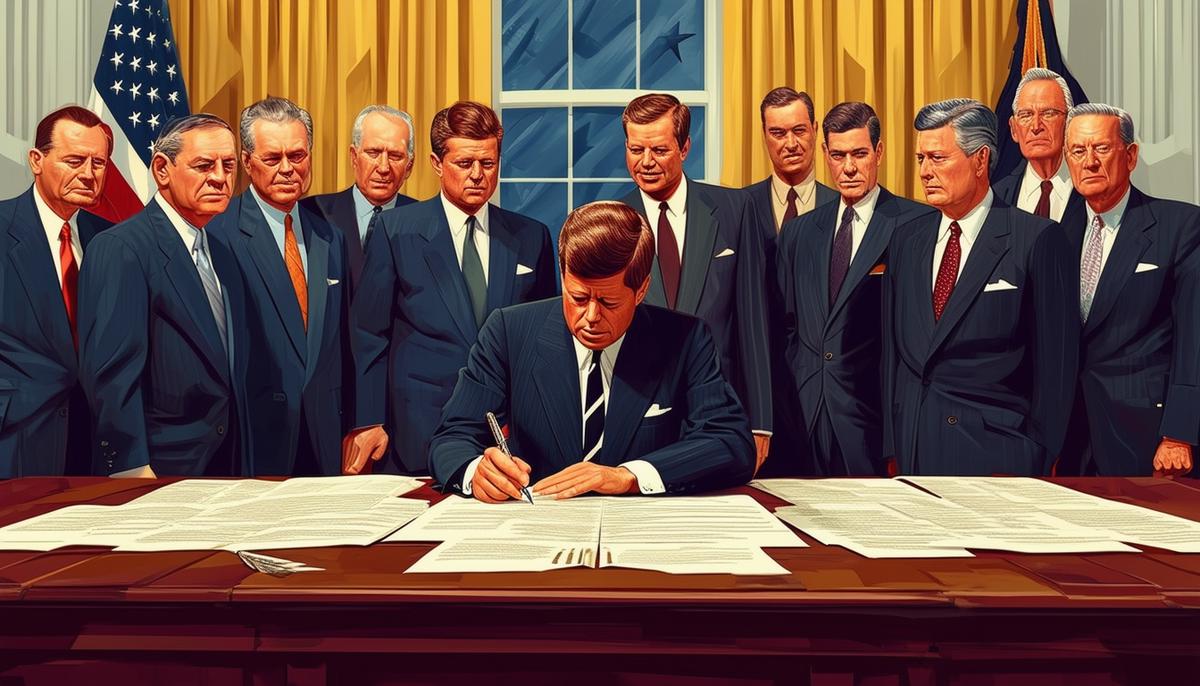
Effects of the 23rd Amendment on D.C.
The Twenty-third Amendment, adopted in 1961, granted Washington, D.C. residents the right to vote in presidential elections. Before this, D.C. residents couldn't vote for President or Vice President and lacked representation in Congress, despite paying federal taxes and serving in the military. The...
Read more →
Balancing Security and Rights
The USA PATRIOT Act, enacted after 9/11, expanded government surveillance powers. The FBI gained broader access to records without previous checks and balances. Earlier examples include FDR's Executive Order 9066, which authorized internment camps for Japanese-Americans during World War II. This...
Read more →
Fifth Amendment Property Rights
The Fifth Amendment's Takings Clause states: "nor shall private property be taken for public use, without just compensation." This principle, rooted in common law, aims to protect citizens against arbitrary land seizures without compensation. The idea of compensating citizens for seized property is...
Read more →
Eighth Amendment Punishments
The Eighth Amendment originated from the English Bill of Rights in 1689, prohibiting "cruell and unusuall punishments." America embraced this principle, including it in the Virginia Declaration of Rights in 1776 and the U.S. Bill of Rights by 1791. Critics like Abraham Holmes feared Congress might...
Read more →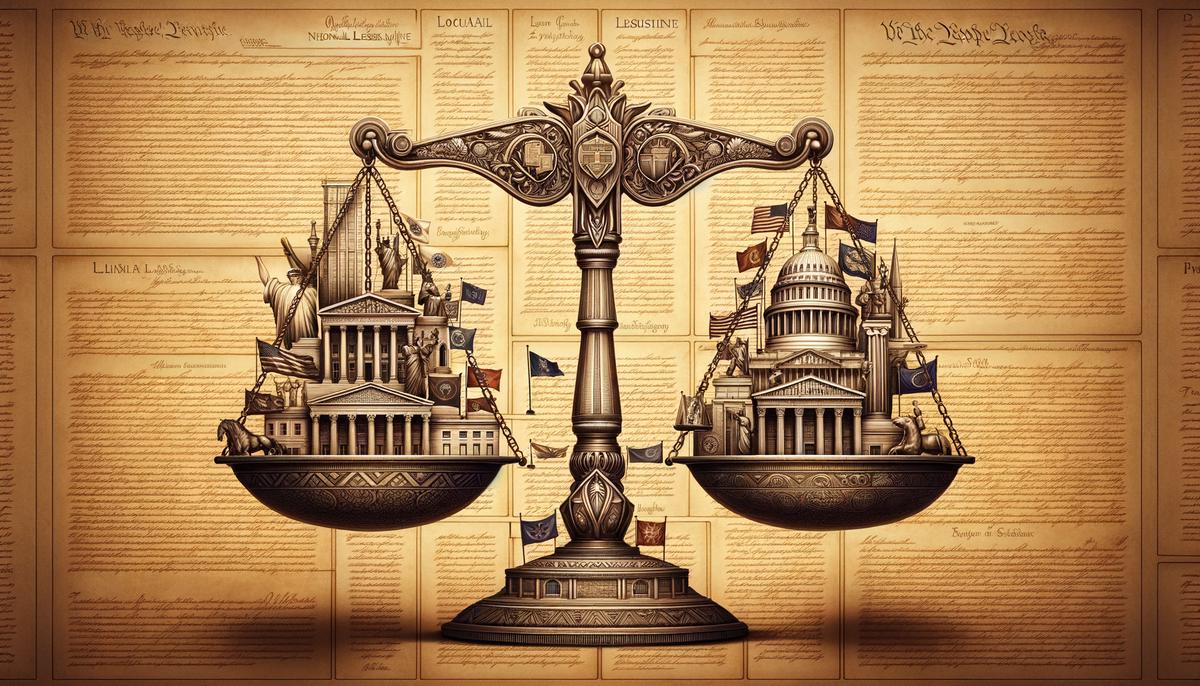
Founders' Views on States' Rights
States' rights trace back to colonial times and revolutionary ideals. The 13 colonies, resenting distant rule, embraced self-governance. The Articles of Confederation, America's first attempt at unity, proved inadequate. Debt and instability led to the Constitutional Convention of 1787 . The...
Read more →
Seventeenth Amendment Explained
The Senate's original setup involved senators chosen by state legislatures, as per Article I, Section 3 of the Constitution. This was Madison's idea to give states influence in federal legislation and balance the House of Representatives. Post-Civil War, problems emerged: State legislatures got...
Read more →
Commerce and Taxation Debates
The Articles of Confederation had major flaws: Ineffective taxation: Congress couldn't tax directly, only asking states for money. This left the national treasury empty, with Revolutionary War debts unpaid. Commerce regulation: Regulating interstate and international commerce was impossible. States...
Read more →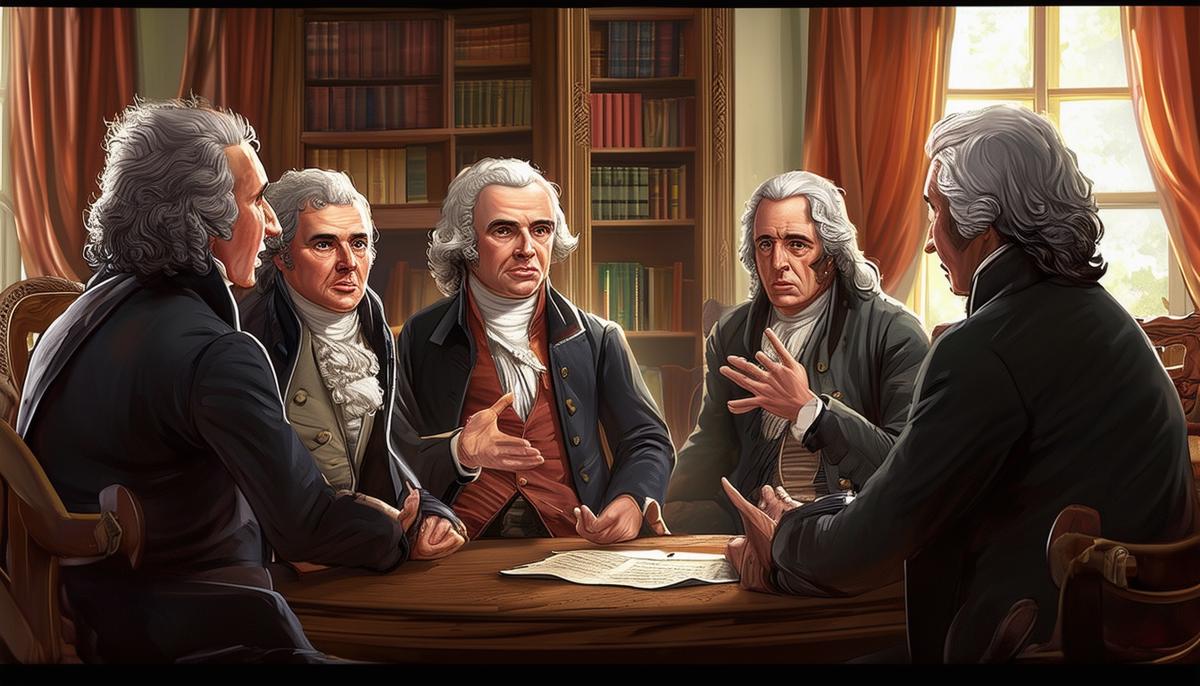
Founders' Views on Property Rights
Jefferson and Madison had philosophical backing from John Locke. Locke's concept: if you put your labor into something, it's yours . Jefferson argued protecting property was one of government's main jobs. He saw property broadly, including beliefs and opinions. Madison viewed property as broad, not...
Read more →
Impact of the 26th Amendment
The 26th Amendment lowered the voting age to 18 in the United States. This change was driven by the "old enough to fight, old enough to vote" argument during World War II and the Vietnam War. Georgia first lowered its voting age to 18 for state and local elections in 1943, though only for white...
Read more →
Seventeenth Amendment and Federalism
The Seventeenth Amendment, enacted in 1913, mandates that U.S. Senators must be elected by popular vote, rather than being selected by state legislatures. This change was a significant shift in the American political landscape. At the heart of the push for the Seventeenth Amendment was the issue of...
Read more →
Supreme Court and Bill of Rights
The Bill of Rights barely made a legal ripple for almost 130 years. In 1833, the Supreme Court dismissed a Baltimore wharf owner's appeal to apply the Bill of Rights to state and local governments. The Court decided the amendments weren't meant to curb state actions. The 14th Amendment arrived...
Read more →
Tenth Amendment Powers
The Tenth Amendment stemmed from concerns about federal overreach. When the Constitution was introduced in 1787, it lacked a Bill of Rights. Antifederalists like Jefferson and Madison worried about potential federal intrusion into state matters. They demanded explicit protections for personal...
Read more →
Free Speech Rights on Campuses
Public universities must follow First Amendment protections, allowing students to express thoughts without censorship. This covers: Speech Writing Symbolic actions (e.g., clothing or protests) Restrictions are minimal, mainly to prevent major disruptions. Private universities create their own...
Read more →
Fourth Amendment Search and Seizure
The Fourth Amendment's roots trace back to 17th century England with Saman's Case , which recognized the right to defend one's home against unlawful intrusion. Entick v. Carrington in the 1700s further cemented privacy rights against government overreach by ruling against general warrants. American...
Read more →
Tenth Amendment and Nullification
The Tenth Amendment has roots in the American Revolution and its aftermath. James Madison and Thomas Jefferson championed limiting federal power and preserving state authority. These ideas shaped America's constitutional framework. The Founding Fathers created a new national government at the...
Read more →
Modern Constitutional Amendments
The Articles of Confederation proved ineffective, with states holding most power and Congress lacking funding abilities. The 1787 Philadelphia Convention aimed to create a stronger yet balanced national government. The Great Compromise established a bicameral legislature, with the House reflecting...
Read more →